The Vein of the Shrimp: The Culinary Detail That Few Know and Many Discuss
Shrimp are a beloved seafood worldwide, featured in dishes from creamy shrimp scampi to spicy shrimp tacos. But whether you’re a home cook or a professional chef, one culinary detail sparks curiosity—and sometimes debate: the vein of the shrimp. What is it, does it need to be removed, and why do so many cooks discuss it? Let’s explore this fascinating little detail of seafood preparation.
What Is the “Vein” of the Shrimp?
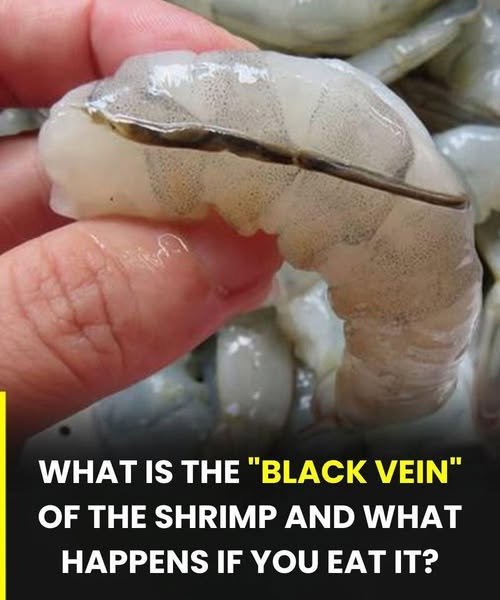
The “vein” of the shrimp is actually its digestive tract, a thin dark line running along the back of the shrimp from head to tail. While often called a vein, it’s not a blood vessel but part of the shrimp’s intestinal system.
-
In smaller shrimp, it may appear as a thin, almost invisible line.
-
In larger shrimp, the vein is more pronounced and darker in color, making it more noticeable when the shrimp is peeled.
While it is edible, leaving it in may affect the texture and flavor of your dish, especially if the shrimp is large or the vein is filled with grit.
Why Do Cooks Remove the Vein?
Peeling and deveining shrimp is more than a cosmetic step—it has practical and culinary reasons:
1. Texture and Taste
The vein can sometimes contain sand, grit, or partially digested food, which may create a gritty or slightly bitter texture in your shrimp dish. Removing it ensures a smooth, clean bite.
2. Presentation
In professional kitchens, the appearance of food is critical. Deveined shrimp look polished, making dishes more appealing, especially for restaurants or entertaining.
3. Perceived Cleanliness
Many people prefer to remove the vein because it symbolizes “cleanliness,” even if consuming it occasionally poses no health risk.
4. Ease of Cooking
Deveined shrimp tend to cook more evenly, especially in sautéed or stir-fried dishes, because the shrimp lies flat without a dark line curling along the back.
How to Devein Shrimp
Deveining shrimp is simple with the right technique:
-
Peel the Shrimp (Optional): Remove the shell, leaving the tail on or off based on your recipe.
-
Make a Shallow Cut: Use a small, sharp knife to slice along the back where the vein runs.
-
Remove the Vein: Gently lift it out with the knife tip or rinse it under cold water.
-
Rinse and Pat Dry: This ensures the shrimp is ready for cooking.
Tip: For smaller shrimp, some chefs skip the cutting step and simply rinse them, as the vein is barely noticeable.
To Devein or Not to Devein: A Culinary Debate
Even among chefs, the necessity of deveining shrimp sparks discussion:
-
Pro-Deveining: Ensures clean taste, better texture, and polished presentation—especially important for dishes served to guests.
-
Against Deveining: Some argue that for smaller shrimp, the vein is negligible and removing it is unnecessary. Additionally, leaving the shell and vein intact can add flavor during cooking, particularly in broths or grilled dishes.
Ultimately, it depends on the size of the shrimp, the recipe, and personal preference.
Shrimp Vein and Food Safety
While the shrimp vein is edible, food safety is another consideration:
-
Wild-caught shrimp may contain more grit or impurities in the vein, making removal desirable.
-
Farmed shrimp typically have less visible or prominent veins, and consuming them generally poses little risk.
-
Proper cooking kills bacteria and parasites, but cleaning shrimp thoroughly ensures both taste and hygiene.
Fun Culinary Facts About Shrimp Veins
-
Some chefs call the vein the “sand vein” because it may contain undigested sand particles.
-
In traditional Japanese cuisine, shrimp is often served raw or lightly cooked, and sushi chefs take care to remove the vein to maintain a clean, delicate flavor.
-
Certain shrimp dishes, like grilled shrimp skewers, often retain the vein if the shrimp is small, relying on quick cooking to prevent any flavor issues.
Quick Tips for Handling Shrimp Veins
-
Use kitchen shears: Easier than a knife for slicing along the back.
-
Rinse under cold water: Helps remove grit and the vein itself.
-
Frozen shrimp: Devein after thawing for best results.
-
Save the shells: Great for making shrimp stock or seafood broth.
The Bottom Line
The vein of the shrimp is one of those culinary details that sparks curiosity and conversation. While it’s edible, removing it improves texture, flavor, and presentation. Whether you decide to fully devein large shrimp, lightly rinse smaller ones, or leave it in for certain recipes, understanding what it is and why cooks pay attention to it ensures your shrimp dishes are both delicious and visually appealing.
In the end, the shrimp vein is a small detail—but mastering it can elevate your cooking from ordinary to professional.