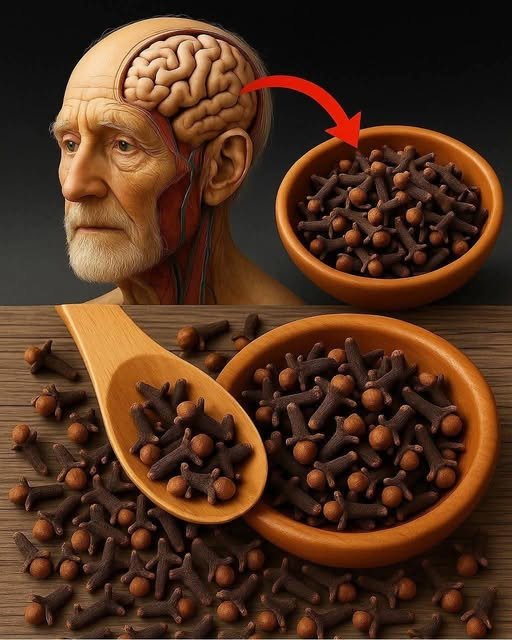
Using Cloves for Better Health as You Age
As we age, maintaining good health becomes less about quick fixes and more about consistent, natural habits that support the body over time. One powerful yet often overlooked spice that has been used for centuries is cloves. Small in size but rich in nutrients and bioactive compounds, cloves can play a supportive role in healthy aging when used correctly and consistently.
Cloves have a long history in traditional medicine systems, particularly in Asia and the Middle East, where they were valued for their warming, protective, and digestive properties. Today, modern research continues to explore how cloves may help support overall wellness, especially for older adults.
What Are Cloves?
Cloves are the dried flower buds of the Syzygium aromaticum tree. They are commonly used as a spice in cooking, teas, and traditional remedies. Cloves contain essential oils, antioxidants, and plant compounds that contribute to their health-supporting properties.
One of the most important compounds in cloves is eugenol, which is responsible for their strong aroma and many of their beneficial effects.
Why Cloves Are Beneficial as You Age
Aging naturally brings changes such as slower digestion, joint stiffness, reduced immunity, and increased oxidative stress. Cloves may help support the body in several of these areas due to their natural composition.
Rich in Antioxidants
Cloves are among the highest antioxidant-containing spices. Antioxidants help neutralize free radicals—unstable molecules that contribute to cellular aging and inflammation. For older adults, reducing oxidative stress is important for maintaining healthy tissues, organs, and overall vitality.
Including antioxidant-rich foods like cloves may support:
-
Cellular health
-
Heart function
-
Brain health
-
Healthy aging at a cellular level
Supports Digestive Health
Digestive issues such as bloating, gas, and slow digestion are common with age. Cloves have traditionally been used to support digestion by stimulating digestive enzymes and reducing discomfort.
Cloves may help:
-
Ease bloating and gas
-
Support smoother digestion
-
Reduce feelings of heaviness after meals
Clove tea or small amounts of clove powder in meals can be a gentle way to support digestive comfort.
Oral and Dental Health Support
Cloves are well known for their role in oral care. Eugenol has natural antibacterial properties, which is why clove oil has historically been used for tooth discomfort.
For aging adults, good oral health is essential for proper nutrition and overall well-being. Cloves may support:
-
Healthier gums
-
Fresher breath
-
Reduced oral bacteria
Chewing a clove occasionally or using clove-infused rinses can be a traditional method of oral care, though it should not replace regular dental hygiene.
May Help Manage Inflammation
Low-grade chronic inflammation is common as people age and is linked to joint discomfort and reduced mobility. Cloves contain compounds that may help support the body’s natural inflammatory response.
When used as part of a balanced diet, cloves may contribute to:
-
Joint comfort
-
Improved mobility
-
General physical ease
While cloves are not a replacement for medical treatment, they can be a supportive addition to a healthy lifestyle.
Blood Sugar Support
Maintaining healthy blood sugar levels becomes increasingly important with age. Some studies suggest that cloves may help support glucose metabolism when used in moderation as part of a balanced diet.
This makes cloves a useful spice for:
-
Older adults focusing on metabolic health
-
People aiming to reduce excessive sugar intake
-
Those choosing natural flavor enhancers
Adding cloves to teas or meals can enhance flavor without added sugar.
How to Use Cloves Safely
Cloves are potent, so moderation is key—especially for older adults.
Simple Ways to Use Cloves
-
Clove tea: Steep 2–3 whole cloves in hot water for 5–10 minutes
-
Cooking: Add ground cloves to soups, stews, or warm dishes
-
Morning ritual: Chew one clove occasionally for oral freshness
-
Spice blends: Combine with cinnamon and ginger for warming teas
Recommended Amount
A small amount goes a long way. Using 1–3 cloves per day is generally sufficient for most people. Excessive consumption, especially of clove oil, should be avoided unless advised by a healthcare professional.
Precautions for Older Adults
While cloves are natural, they are still powerful. Some important considerations:
-
Avoid large amounts if you have liver conditions
-
Use caution if taking blood-thinning medications
-
Do not consume clove oil directly without guidance
-
Stop use if irritation or discomfort occurs
Always consult a healthcare provider if you have chronic conditions or take regular medications.
Cloves as Part of a Holistic Aging Strategy
Cloves work best when combined with other healthy habits, such as:
-
Eating whole, nutrient-dense foods
-
Staying physically active
-
Managing stress
-
Getting enough sleep
-
Staying hydrated
No single spice can prevent aging, but small daily choices—like using cloves—can support long-term wellness.
Final Thoughts
Using cloves for better health as you age is about embracing simple, time-tested nutrition. Rich in antioxidants and beneficial compounds, cloves may support digestion, oral health, inflammation balance, and overall vitality.
When used mindfully and in moderation, cloves can be a valuable addition to a healthy aging routine. Aging well is not about stopping time—it’s about supporting the body with gentle, natural tools that help you feel your best at every stage of life.