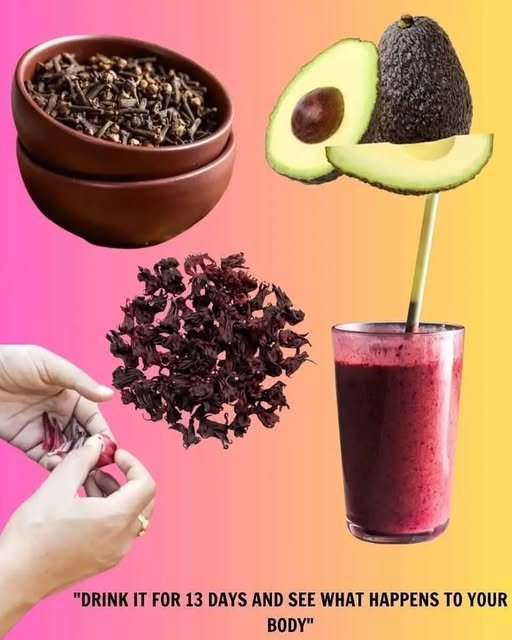
The Hidden Power of the Avocado Seed
Nature’s Forgotten Remedy
When we think of avocados, we usually focus on their creamy green flesh—perfect for toast, salads, and smoothies. But what about the large seed at the center? For generations, the avocado seed has been discarded without a second thought. Surprisingly, in traditional cultures across Central and South America, this seed was once valued for its potential wellness-supporting properties.
Today, interest in natural living and zero-waste nutrition has revived curiosity about the hidden power of the avocado seed. While it’s not a miracle cure, emerging research and traditional knowledge suggest the avocado seed contains compounds that may support overall health when used correctly and in moderation.
Why the Avocado Seed Was Forgotten
Modern diets prioritize convenience, and avocado seeds are hard, bitter, and unfamiliar. As food processing evolved, only the flesh remained popular, while the seed faded into obscurity. However, studies now show that up to 70% of the avocado’s antioxidants may be concentrated in the seed, making it nutritionally intriguing.
Traditional communities dried, ground, or infused avocado seeds, incorporating them into teas or powders—long before modern nutrition labels existed.
Nutritional Profile of the Avocado Seed
Avocado seeds are rich in naturally occurring plant compounds, including:
-
Polyphenols – powerful antioxidants found in many longevity-supporting foods
-
Flavonoids – compounds associated with cellular protection
-
Dietary fiber – supports digestive regularity
-
Healthy plant-based phytochemicals
These nutrients help explain why the seed attracted attention in traditional wellness systems.
10 Potential Benefits of Avocado Seed (Traditional & Research-Based)
1. Antioxidant Support
Avocado seeds contain antioxidants that help protect cells from oxidative stress, a natural process linked to aging.
2. Digestive Support
Traditionally, avocado seed preparations were used to support digestion and promote gut comfort.
3. Fiber for Gut Health
The seed is especially high in insoluble fiber, which may support healthy digestion when consumed in small amounts.
4. Supports Metabolic Balance
Some plant compounds found in avocado seeds have been studied for their role in metabolic regulation.
5. Supports Cardiovascular Wellness
Antioxidants and fiber are commonly associated with heart-healthy dietary patterns.
6. Anti-Inflammatory Properties
Plant polyphenols may help the body manage normal inflammatory responses.
7. Immune System Support
Historically, avocado seed tea was consumed during seasonal changes to support resilience.
8. Helps Reduce Food Waste
Using the seed supports sustainable living and whole-food nutrition practices.
9. Traditional Skin Applications
Ground avocado seed was once used externally in natural beauty rituals.
10. Cultural & Herbal Significance
The avocado seed represents ancient knowledge passed through generations—connecting modern wellness to traditional roots.
How the Avocado Seed Is Traditionally Prepared
⚠️ Important note: Avocado seeds should never be eaten raw or in large quantities. Proper preparation is essential.
Step-by-Step Traditional Preparation
-
Clean the seed thoroughly
-
Dry it completely (air-dry for several days or bake at low heat)
-
Grate or grind into a fine powder
-
Use sparingly in teas or smoothies
Simple Avocado Seed Tea
Ingredients:
-
¼ to ½ teaspoon dried avocado seed powder
-
1 cup hot water
Instructions:
Steep for 5–10 minutes, strain, and enjoy warm.
The taste is slightly bitter and earthy, similar to herbal teas.
Safety and Moderation Matter
Although avocado seed has traditional uses, moderation is essential. Scientific research is ongoing, and excessive consumption is not recommended.
Who Should Avoid It?
-
Pregnant or breastfeeding individuals
-
People with sensitive digestion
-
Anyone on medication without professional guidance
Always consult a qualified health professional before adding new herbal ingredients to your routine.
Avocado Seed in Modern Research
Recent laboratory studies have explored avocado seed extracts for their antioxidant and antimicrobial potential. While promising, most studies are preliminary and not conducted on humans, meaning results should be interpreted cautiously.
This reinforces an important point: avocado seed is a supportive traditional ingredient, not a medical treatment.
Sustainability & Zero-Waste Living
Beyond health curiosity, avocado seeds are gaining popularity in eco-conscious kitchens. Using the entire fruit reduces waste and aligns with sustainable food practices.
Some people also use avocado seeds to:
-
Create natural dyes
-
Make compost boosters
-
Grow avocado plants at home
This makes the seed valuable even beyond nutrition.
Why Ancient Wisdom Still Matters
Many traditional remedies were based on observation, not hype. The avocado seed’s historical use suggests it played a role in everyday wellness—not as a cure, but as part of a balanced lifestyle.
Modern science is beginning to explore what ancient cultures already suspected: nature often hides its most interesting compounds in unexpected places.
Final Thoughts
The hidden power of the avocado seed lies not in bold promises, but in its nutrient density, antioxidant content, and cultural history. While it should be used carefully and sparingly, it represents a fascinating example of how traditional knowledge and modern curiosity can intersect.
Instead of seeing the avocado seed as waste, we can view it as a reminder that whole foods often offer more than meets the eye.
When approached responsibly, the avocado seed becomes less of a forgotten byproduct and more of a symbol of mindful, sustainable living.