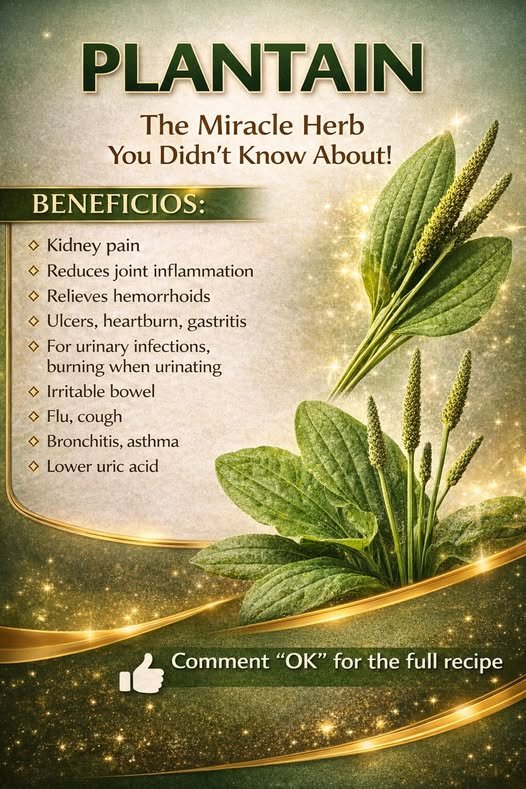
Plantain: The Medicinal Leaf That Supports Lung Health, Heals the Skin, and Strengthens the Body
Nature has always provided powerful healing plants, and plantain leaf is one of the most overlooked. Often mistaken for a common weed, plantain (Plantago major and Plantago lanceolata) has been used for centuries in traditional herbal medicine across Europe, Asia, and the Americas. Known for its soothing, cleansing, and restorative properties, plantain has earned its reputation as a true medicinal leaf.
Used externally for wounds and internally as a gentle herbal support, plantain continues to be valued today for its wide range of natural benefits.
What Is Plantain Leaf?
Plantain is a hardy green plant that grows abundantly in fields, gardens, sidewalks, and meadows. Despite its humble appearance, the leaves are rich in bioactive compounds, including:
-
Flavonoids
-
Tannins
-
Mucilage
-
Allantoin
-
Vitamins A, C, and K
These compounds explain why plantain has long been used to soothe tissues, support the immune system, and promote natural healing processes.
Traditional Use for Lung and Respiratory Support
In herbal traditions, plantain leaf has been used as a lung-soothing herb. Its natural mucilage creates a gentle, coating effect that may help calm irritated airways.
Traditionally, plantain leaf tea or syrup has been used to:
-
Support clear breathing
-
Calm dry or irritated throats
-
Help the body expel mucus naturally
-
Soothe coughs caused by environmental irritation
While plantain is not a medical treatment, many herbalists value it as a supportive herb for maintaining respiratory comfort, especially during seasonal changes.
Plantain Leaf for Wound Care and Skin Healing
One of the most famous traditional uses of plantain is external wound care. Fresh plantain leaves were historically crushed and applied directly to the skin.
Traditionally, plantain leaf has been used to:
-
Soothe cuts, scrapes, and minor burns
-
Calm insect bites and stings
-
Support faster skin repair
-
Reduce redness and irritation
The compound allantoin, naturally found in plantain, is known for its role in skin regeneration and is still used in modern skincare products today.
Natural Anti-Inflammatory and Antimicrobial Properties
Plantain leaf has been traditionally valued for its cooling and calming nature. Herbal practitioners often use it to help the body respond to everyday inflammation.
Traditional herbal uses include:
-
Supporting irritated skin and tissues
-
Helping cleanse minor skin infections
-
Maintaining oral and gum health when used as a rinse
Modern research has identified plantain’s antimicrobial and antioxidant compounds, helping explain why it has been trusted for generations.
Strengthening the Body from the Inside
Plantain leaf is not just for external use. When consumed as a tea or infusion, it has traditionally been used to support overall body strength and balance.
Herbal traditions associate plantain with:
-
Supporting digestion and gut comfort
-
Helping the body eliminate waste naturally
-
Providing gentle immune support
-
Contributing minerals that nourish the body
Its mild nature makes it suitable for regular use in traditional herbal practices.
How Plantain Leaf Is Commonly Used
Plantain Tea
Dried plantain leaves are steeped in hot water to create a mild herbal tea. This is the most common traditional internal use.
Fresh Leaf Poultice
Crushed fresh leaves are applied directly to the skin for quick soothing relief.
Herbal Infusions and Syrups
Plantain is often combined with honey and other herbs in traditional cough syrups.
Salves and Balms
Infused oils made from plantain leaves are used in homemade skincare and healing balms.
Nutritional Profile of Plantain Leaf
Plantain leaves contain:
-
Vitamin C for immune support
-
Vitamin A for skin and tissue health
-
Vitamin K for normal blood function
-
Calcium and potassium for general wellness
This nutrient profile contributes to its reputation as a strengthening and nourishing plant.
Safety and Responsible Use
While plantain leaf is generally considered gentle, it’s important to use it responsibly:
-
Only harvest plantain from clean, pesticide-free areas
-
Properly identify the plant before use
-
Avoid use if allergic to related plants
-
Consult a healthcare professional if pregnant, nursing, or managing medical conditions
Plantain is a supportive herbal remedy, not a replacement for medical treatment.
Why Plantain Is Still Relevant Today
In a world full of synthetic products, plantain reminds us that simple plants can offer powerful support. Its versatility, availability, and long history of traditional use make it a favorite among herbalists and natural wellness enthusiasts.
From supporting respiratory comfort to helping the skin heal and nourishing the body, plantain remains a symbol of natural resilience and gentle strength.
Final Thoughts
Plantain leaf may grow quietly underfoot, but its value is anything but small. Used for centuries as a medicinal plant, it continues to earn respect for its cleansing, soothing, and restorative properties. Whether applied externally or enjoyed as a tea, plantain represents the wisdom of traditional herbal medicine.
Rediscover this humble leaf, and you may find that nature’s simplest remedies are often the most powerful.