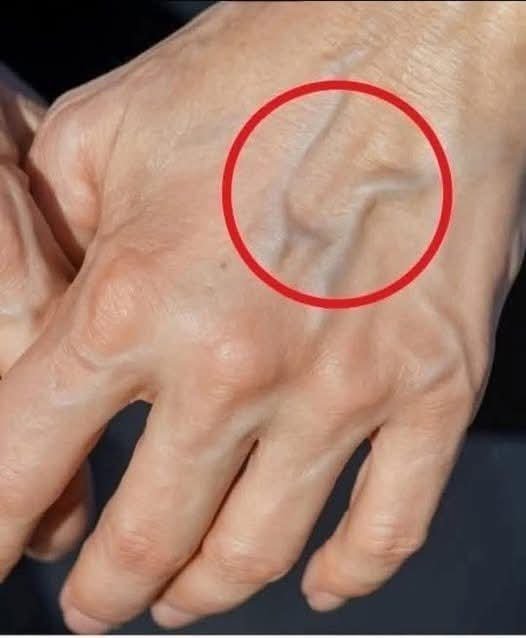
If You Have Visible Veins, It May Say a Lot About Your Body
Have you ever looked at your hands, arms, or legs and noticed that your veins seem more visible than other people’s? Many wonder if visible veins are a sign of good health, aging, low body fat, or an underlying condition. The truth is, visible veins can mean different things depending on your body, lifestyle, and overall health.
In most cases, visible veins are completely normal. However, they can sometimes reflect changes happening inside your body. Understanding why veins become visible can help you better understand your health and know when to seek medical advice.
What Are Visible Veins?
Veins are blood vessels that carry blood back to the heart. They sit closer to the surface of the skin than arteries, which is why they can sometimes be seen. When veins appear raised, blue, or more prominent, it usually means there is less tissue covering them or increased blood flow.
Visible veins are especially common on:
-
Hands
-
Arms
-
Feet
-
Legs
-
Chest (in lighter skin tones)
Common Reasons You Have Visible Veins
1. Low Body Fat Percentage
One of the most common reasons veins are visible is low subcutaneous fat. Fat normally sits between your skin and veins. When body fat is lower, veins are closer to the surface and easier to see.
This is common in:
-
Athletes
-
Physically active individuals
-
Naturally lean body types
In this case, visible veins often indicate fitness rather than a problem.
2. Exercise and Physical Activity
During and after exercise, veins naturally expand due to increased blood flow. Strength training and endurance workouts can make veins more prominent over time.
This happens because:
-
Muscles grow and push veins outward
-
Blood circulation improves
-
Veins adapt to increased demand
Visible veins in active people are usually a sign of good circulation.
3. Aging
As we age, skin becomes thinner and loses collagen and elasticity. When this happens, veins underneath the skin become easier to see.
This is completely normal and part of the natural aging process, especially in:
-
Hands
-
Arms
-
Legs
4. Genetics
Some people simply inherit more visible veins. Skin thickness, vein structure, and fat distribution are largely genetic.
If visible veins run in your family, chances are it’s normal for you too.
What Visible Veins May Say About Your Health
Good Circulation
In many cases, visible veins suggest healthy blood flow. Strong circulation allows veins to efficiently return blood to the heart, making them more noticeable.
Hydration Levels
Mild dehydration can reduce plasma volume, making veins appear more prominent. Drinking enough water can sometimes reduce vein visibility.
Hormonal Changes
Hormonal shifts (such as during pregnancy or menopause) can affect blood volume and vein appearance.
When Visible Veins May Signal a Problem
While visible veins are usually harmless, there are times when they deserve attention.
1. Sudden Appearance of Veins
If veins suddenly become very prominent without changes in weight, exercise, or temperature, it may indicate:
-
Circulatory issues
-
Hormonal imbalance
-
Sudden weight loss
2. Painful or Swollen Veins
Veins that are painful, swollen, warm, or tender may signal:
-
Varicose veins
-
Phlebitis
-
Venous insufficiency
These conditions should be evaluated by a healthcare professional.
3. Spider or Varicose Veins
Large, twisted veins—especially in the legs—are different from normal visible veins. They may indicate weakened vein valves and poor blood return.
Risk factors include:
-
Prolonged standing
-
Obesity
-
Pregnancy
-
Family history
Are Visible Veins a Sign of Strength?
In fitness culture, visible veins are often associated with strength, muscle tone, and athletic conditioning. While veins alone don’t measure strength, they often appear in individuals who:
-
Exercise regularly
-
Have low body fat
-
Maintain good cardiovascular health
However, visible veins are not required for good health, and their absence doesn’t mean you’re unhealthy.
How to Support Healthy Veins Naturally
If you want to maintain healthy circulation and vein function, focus on these habits:
-
Stay physically active
-
Maintain a healthy weight
-
Stay hydrated
-
Avoid prolonged sitting or standing
-
Elevate legs when resting
-
Eat a balanced diet rich in fiber and antioxidants
Foods rich in vitamin C, magnesium, and flavonoids can support blood vessel health.
When to See a Doctor
Consult a healthcare professional if you notice:
-
Sudden vein changes
-
Persistent pain or swelling
-
Skin discoloration
-
Ulcers near veins
-
Signs of infection
Early evaluation can prevent complications.
Final Thoughts
If you have visible veins, it doesn’t automatically mean something is wrong. In fact, for many people, visible veins are a normal sign of fitness, genetics, or aging. What matters most is how you feel overall and whether there are additional symptoms.
Understanding your body helps you make informed decisions about your health. Visible veins are just one piece of the bigger picture—not a diagnosis on their own.
Disclaimer
This article is for informational purposes only and does not replace professional medical advice. Always consult a qualified healthcare provider for concerns about your health.