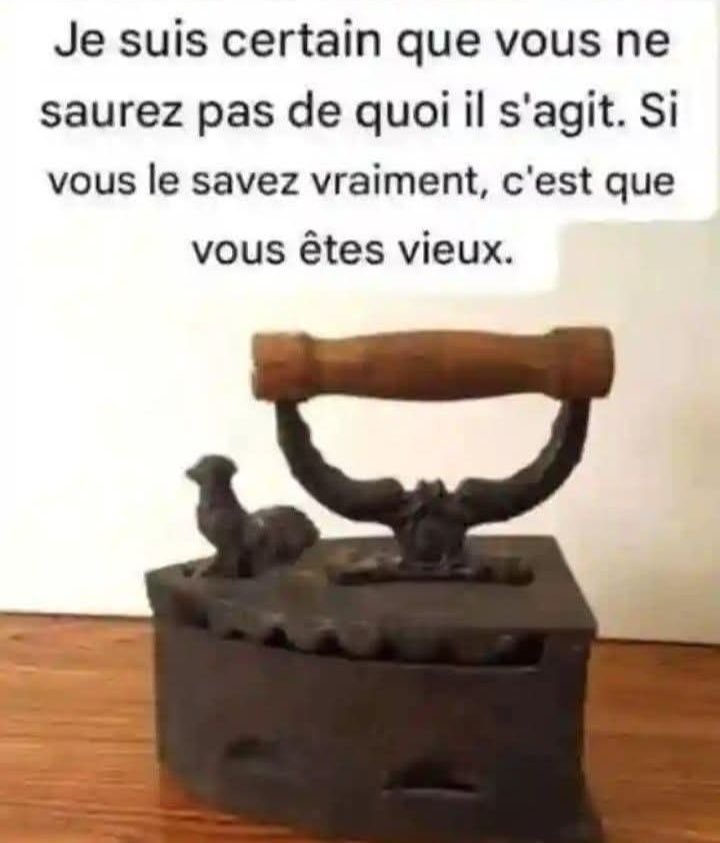
Vintage Charcoal Iron (Fer à Charbon Vintage)
The vintage charcoal iron, known in French as fer à charbon, is a fascinating piece of household history that reflects a time when everyday tasks required ingenuity, patience, and practical craftsmanship. Before electric irons became common in homes, charcoal irons were widely used across Europe, Asia, and many other parts of the world. These beautifully crafted tools are now admired not only for their historical significance but also for their decorative appeal.
A vintage charcoal iron represents a unique blend of functionality, tradition, and design. Once an essential tool for pressing clothes, today it is often displayed as a collectible antique, reminding us of how domestic life once operated in earlier centuries.
What Is a Charcoal Iron?
A charcoal iron is a traditional ironing tool that uses hot charcoal placed inside a metal chamber to generate heat. The heat from the burning charcoal warms the base plate of the iron, which is then used to press and smooth clothing fabrics.
Unlike modern electric irons that rely on electricity, charcoal irons operate entirely through burning fuel, typically small pieces of charcoal or embers taken from a stove or fire.
The iron usually features:
- A hollow metal body where charcoal is placed
- A hinged lid for inserting and removing charcoal
- Ventilation holes that allow airflow to keep the charcoal burning
- A wooden handle to prevent the user from getting burned
This clever design allowed people to maintain pressed clothing long before electricity was available.
A Glimpse Into History
Charcoal irons were widely used from the 18th century through the early 20th century, especially in households, laundries, and tailoring shops. They were particularly common in regions where electricity was not yet available.
Historically, ironing was an important part of maintaining clothing, especially when garments were made from natural fabrics like cotton, linen, and wool. These materials easily wrinkled after washing and drying.
The charcoal iron made it possible to smooth fabrics by applying direct heat and pressure. Although the process required careful handling and preparation, it was an effective solution at the time.
In many households, ironing was done as a weekly ritual. Clothing would be washed, dried, and then carefully pressed using charcoal irons heated with embers from the kitchen stove.
Unique Design and Craftsmanship
One of the reasons vintage charcoal irons are so admired today is their beautiful craftsmanship. Many of these irons were made from solid cast iron or brass, often featuring intricate details and decorative elements.
Some vintage models include:
- Ornate ventilation patterns
- Engraved metal surfaces
- Decorative handles
- Elegant curved shapes
These details reveal the level of artistry that went into creating everyday household tools during earlier eras.
In many cultures, blacksmiths or metalworkers crafted charcoal irons by hand, giving each piece its own distinctive character.
How Charcoal Irons Were Used
Using a charcoal iron required several steps and careful attention. Unlike modern irons that heat up with the push of a button, charcoal irons needed to be manually prepared.
The typical process included:
- Preparing the Charcoal
Small pieces of charcoal were lit or taken from a hot fire. - Filling the Iron
The charcoal was placed inside the iron through the hinged lid. - Allowing Airflow
Ventilation holes allowed oxygen to keep the charcoal burning. - Testing the Heat
Users often tested the iron on a cloth to ensure it was not too hot. - Ironing the Fabric
The heated base plate was moved over clothing to remove wrinkles.
Some irons even had small chimneys or vents to improve airflow and maintain heat.
Cultural Importance
Charcoal irons are part of the domestic history of many cultures. In several countries, they remained in use long after electric irons were introduced, particularly in rural areas.
They symbolize:
- Traditional household work
- Skilled craftsmanship
- Resourcefulness in daily life
Today, these irons are often preserved in museums, antique collections, and historical exhibitions, where they help tell the story of how people managed everyday tasks in the past.
Collecting Vintage Charcoal Irons
Collectors and antique enthusiasts often seek vintage charcoal irons because of their historical charm and unique design.
Factors that influence the value of a charcoal iron include:
- Age
- Condition
- Material (cast iron, brass, or steel)
- Decorative elements
- Original wooden handle
Some rare pieces may even date back more than 100 years, making them valuable collectibles.
Vintage irons are commonly found in:
- Antique markets
- Estate sales
- Flea markets
- Online vintage shops
For collectors, each piece tells a story about a different time period and region.
Decorative Uses Today
While charcoal irons are rarely used for their original purpose today, they have become popular as decorative objects.
Many people use them as:
- Vintage home décor pieces
- Rustic shelf decorations
- Conversation starters in living rooms
- Kitchen or laundry room accents
Their solid metal construction and aged patina give them a timeless aesthetic that fits well with rustic, farmhouse, or industrial interior styles.
Preserving Antique Charcoal Irons
If you own a vintage charcoal iron, proper care can help preserve its condition for many years.
Helpful preservation tips include:
- Cleaning gently with a soft cloth
- Avoiding harsh chemicals that could damage the metal
- Keeping it dry to prevent rust
- Applying light protective oil if needed
Collectors often prefer to maintain the original patina, as it adds authenticity and historical value.
Why Vintage Tools Still Fascinate Us
Vintage tools like the charcoal iron remind us how much daily life has changed over the past century. Tasks that once required fire, manual effort, and patience are now completed instantly with modern appliances.
Yet there is something deeply fascinating about these older objects. They represent a time when tools were built to last and designed with both practicality and beauty in mind.
Owning or displaying a vintage charcoal iron is like holding a small piece of history—an object that once played an important role in everyday life.
Final Thoughts
The vintage charcoal iron (fer à charbon) is far more than an old household tool. It is a symbol of craftsmanship, history, and the ingenuity of earlier generations. Once an essential device used to press clothing, it has now become a cherished antique admired for its design and cultural significance.
Whether you are a collector, a history enthusiast, or someone who appreciates vintage décor, a charcoal iron offers a glimpse into the past and a reminder of how traditional tools shaped everyday life.