Diabetes Symptoms at Night: Top 7 Signs of High Blood Sugar That Can Worsen After 10 PM
Many people associate diabetes symptoms with daytime fatigue or frequent thirst, but for some individuals, the most noticeable signs appear at night. Blood sugar levels naturally fluctuate throughout the day, and for people with diabetes or insulin resistance, these changes can become more pronounced after the evening hours.
If you find that certain symptoms seem to worsen after 10 PM, it may be your body signaling difficulty managing blood glucose levels overnight. Understanding these nighttime signs can help with early awareness and timely medical guidance.
Why Blood Sugar Can Rise at Night
Several factors can influence nighttime blood sugar levels, including:
-
Evening meals high in carbohydrates or sugar
-
Reduced physical activity in the evening
-
Hormonal changes during sleep
-
The “dawn phenomenon,” where the body releases glucose before waking
-
Missed or inadequate diabetes medication
When blood sugar remains elevated overnight, the body may respond with noticeable symptoms.
Top 7 Nighttime Signs of High Blood Sugar
1. Frequent Urination During the Night (Nocturia)
One of the most common nighttime symptoms is waking up repeatedly to urinate. When blood sugar levels are high, the kidneys work harder to remove excess glucose through urine, increasing urine production.
If you find yourself waking up multiple times each night to use the bathroom, especially without increased fluid intake, this may be a sign of elevated blood sugar.
2. Excessive Thirst Late at Night
Frequent urination often leads to dehydration, which triggers intense thirst. Many people notice a strong urge to drink water late in the evening or wake up feeling extremely thirsty.
This thirst can feel persistent and difficult to satisfy, even after drinking fluids.
3. Night Sweats
While night sweats can have many causes, fluctuating blood sugar levels may contribute to excessive sweating during sleep. High blood sugar can affect the body’s temperature regulation, leading to damp sheets or clothing.
If night sweats occur alongside other symptoms such as thirst or fatigue, they may warrant further attention.
4. Restlessness and Difficulty Sleeping
High blood sugar can interfere with sleep quality. People may experience:
-
Difficulty falling asleep
-
Frequent awakenings
-
A feeling of restlessness or discomfort
Disrupted sleep can create a cycle where poor rest further affects blood sugar control the following day.
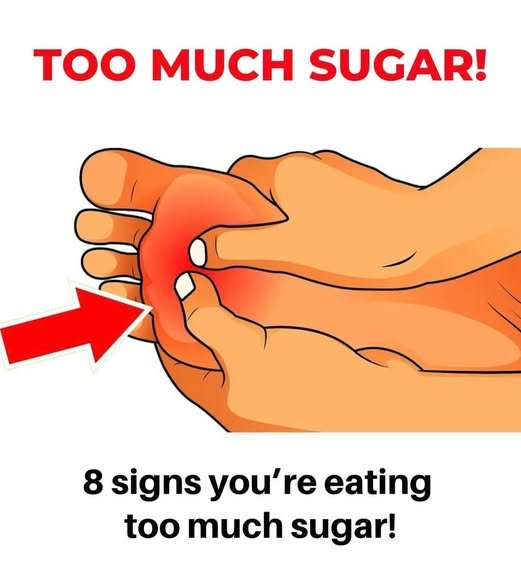
5. Tingling, Burning, or Numbness in the Feet or Hands
Some individuals notice tingling, burning, or numb sensations in the feet or hands that are more noticeable at night when the body is at rest.
These sensations may be associated with nerve irritation linked to prolonged high blood sugar levels. While this symptom does not appear overnight, nighttime quiet often makes it more noticeable.
6. Headaches or Dry Mouth Upon Waking
High blood sugar overnight can lead to dehydration, which may cause morning headaches or a dry, sticky feeling in the mouth.
Waking up feeling unrefreshed, with a headache despite adequate sleep time, can sometimes be connected to blood glucose fluctuations during the night.
7. Blurred Vision in the Evening or Morning
Temporary blurred vision can occur when high blood sugar causes fluid shifts in the eyes. Some people notice their vision becomes less clear late at night or upon waking.
This type of blurred vision may come and go, depending on blood sugar levels.
Why These Symptoms Often Get Worse After 10 PM
After 10 PM, several things change in the body:
-
Metabolism naturally slows
-
Physical activity decreases
-
Hormones related to sleep begin to rise
-
Late-night snacking may impact glucose levels
These factors can combine to make blood sugar regulation more challenging during nighttime hours.
When to Take Nighttime Symptoms Seriously
Occasional symptoms may have simple explanations, but persistent or recurring nighttime symptoms should not be ignored.
You should consider speaking with a healthcare professional if you experience:
-
Regular nighttime urination and thirst
-
Ongoing sleep disruption
-
Repeated tingling or numbness
-
Frequent morning headaches or fatigue
Early detection and management can significantly improve long-term health outcomes.
What You Can Do Right Now
While this article is not a diagnosis, some general steps that support nighttime blood sugar stability include:
-
Avoid heavy, sugary meals late in the evening
-
Maintain consistent meal times
-
Stay hydrated throughout the day
-
Follow prescribed treatment plans
-
Monitor blood sugar as advised by your healthcare provider
Never adjust medication without professional guidance.
Important Disclaimer
This content is for informational purposes only and does not replace professional medical advice. Nighttime symptoms can have many causes, and only a qualified healthcare provider can diagnose diabetes or blood sugar–related conditions.
If you suspect high blood sugar or diabetes, seek medical evaluation.
Final Thoughts
Nighttime symptoms can offer valuable clues about how your body is managing blood sugar. Paying attention to signs that worsen after 10 PM — such as frequent urination, thirst, sleep disturbances, or tingling sensations — may help prompt earlier conversations with a healthcare professional.
Awareness is the first step toward better health, and addressing concerns early can make a meaningful difference.