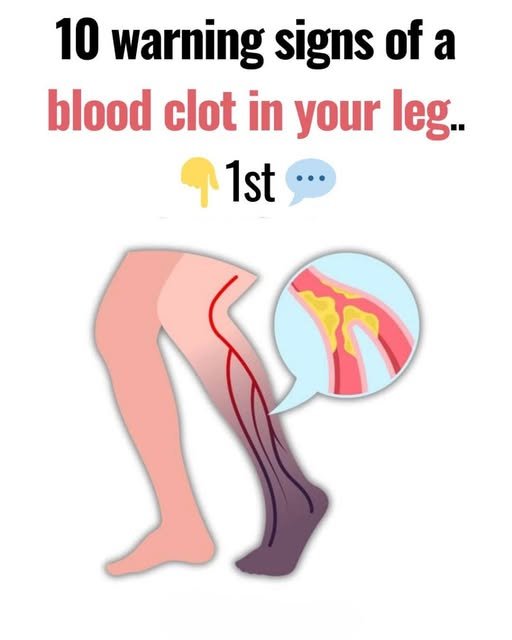
10 Warning Signs of a Blood Clot in the Leg You Should Know
A blood clot in the leg is a condition that should never be ignored. Medically known as Deep Vein Thrombosis, this condition occurs when a blood clot forms in one of the deep veins, usually in the lower leg or thigh. While some people experience obvious symptoms, others may notice subtle changes that are easy to overlook.
Recognizing the warning signs early can help prevent serious complications, including the potentially life-threatening condition known as Pulmonary Embolism, which occurs when a clot travels to the lungs.
Understanding what to watch for may help you seek medical care quickly and reduce the risk of severe outcomes.
What Causes Blood Clots in the Leg?
Blood clots can develop for several reasons, including:
- Long periods of sitting or immobility
- Surgery or injury
- Certain medications
- Pregnancy
- Smoking
- Obesity
- Underlying medical conditions
When blood flow slows down or becomes restricted, the body may form a clot. If that clot grows large enough, it can block circulation and cause symptoms.
1. Swelling in One Leg
One of the most common signs of Deep Vein Thrombosis is swelling in the affected leg.
This swelling may appear suddenly and typically affects only one leg. The leg may look noticeably larger than the other, and the skin may feel tight or stretched.
2. Persistent Leg Pain or Tenderness
Pain caused by a blood clot often begins in the calf and can feel like:
- Cramping
- Soreness
- A deep aching sensation
Many people mistake this discomfort for a muscle strain or fatigue, which is why the condition sometimes goes unnoticed.
3. Warm Skin in the Affected Area
A clot can cause inflammation around the vein, making the skin feel warmer than the surrounding areas.
You may notice that one part of your leg feels unusually warm when touched compared to the other leg.
4. Red or Discolored Skin
Changes in skin color may occur when blood flow becomes restricted.
The affected area may appear:
- Red
- Reddish-purple
- Bluish
These changes often occur around the calf or thigh.
5. Visible Surface Veins
Sometimes veins near the surface of the skin become more noticeable.
This happens because the body attempts to redirect blood flow around the blocked vein, making smaller veins appear larger or more visible.
6. Unexplained Leg Fatigue
A leg affected by a clot may feel unusually heavy or tired.
This sensation can occur even after minimal activity and may worsen when standing or walking.
7. Skin That Feels Tight or Shiny
As swelling increases, the skin over the affected area may become tight and shiny.
This occurs because fluid builds up in the tissues surrounding the clot.
8. Pain That Worsens When Walking
Some people notice that discomfort increases when they move, especially while walking or flexing the foot upward.
This symptom is sometimes mistaken for a pulled muscle or general leg soreness.
9. Mild Fever
In some cases, a blood clot can trigger a low-grade fever.
This occurs because the body responds to inflammation around the clot.
10. Sudden Shortness of Breath
This symptom may signal a serious complication known as Pulmonary Embolism.
If a clot breaks loose and travels to the lungs, it can cause:
- Sudden shortness of breath
- Chest pain
- Rapid heartbeat
- Lightheadedness
This is a medical emergency and requires immediate medical attention.
Who Is at Higher Risk?
Certain individuals have a greater risk of developing Deep Vein Thrombosis, including those who:
- Sit for long periods during travel or work
- Have recently undergone surgery
- Are over the age of 60
- Smoke regularly
- Are pregnant or recently gave birth
- Have a family history of clotting disorders
People with conditions such as Varicose Veins may also have an increased risk.
When to Seek Medical Help
If you experience symptoms such as:
- Unusual leg swelling
- Persistent calf pain
- Skin discoloration
- Sudden breathing difficulty
it is important to seek medical evaluation promptly.
Early diagnosis and treatment can significantly reduce the risk of complications.
Ways to Reduce the Risk
While not all blood clots can be prevented, certain lifestyle habits may help support healthy circulation:
- Move regularly during long trips
- Stay hydrated
- Maintain a healthy weight
- Avoid smoking
- Stretch your legs if sitting for extended periods
Doctors may also recommend compression stockings or medications for people at higher risk.
Final Thoughts
A blood clot in the leg, known as Deep Vein Thrombosis, can develop quietly but lead to serious health problems if left untreated. Recognizing the early warning signs—such as swelling, pain, warmth, and skin discoloration—can make a critical difference.
By understanding these symptoms and seeking medical care when necessary, individuals can help protect themselves from complications like Pulmonary Embolism.
Awareness, early detection, and timely treatment are the most effective ways to safeguard your health.