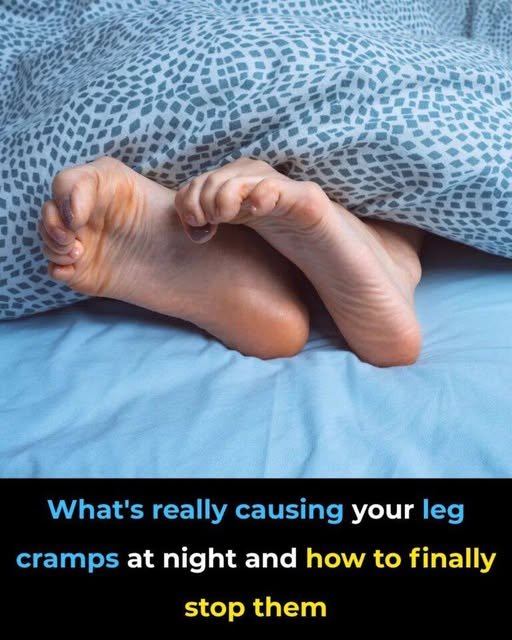
Leg Cramps at Night: Causes, Prevention & Treatment
Waking up in the middle of the night with a sudden, painful muscle contraction in your leg can be a frustrating and uncomfortable experience. Leg cramps at night, often called nocturnal leg cramps, are very common and can affect people of all ages. These cramps usually occur in the calf muscles but can also affect the thighs or feet. The pain can last from a few seconds to several minutes, and sometimes the muscle remains sore for hours afterward.
Although occasional leg cramps are usually harmless, frequent nighttime cramps may indicate underlying issues such as dehydration, mineral imbalances, or certain medical conditions. Understanding why they happen and how to prevent them can help you sleep more comfortably and reduce the chances of waking up in pain.
What Are Nighttime Leg Cramps?
Nighttime leg cramps are sudden, involuntary contractions of the muscles in the leg that occur during sleep or while resting. The most commonly affected muscle is the calf, though cramps can also occur in the foot or thigh.
These cramps often happen without warning and can cause the muscle to feel tight or knotted. In some cases, you may even be able to see or feel the muscle visibly tightening under the skin.
Nighttime cramps are different from conditions like Restless Legs Syndrome, which causes an uncomfortable urge to move the legs rather than a painful muscle contraction.
Common Causes of Nighttime Leg Cramps
There are several reasons why leg cramps may occur at night. Often, they are linked to everyday factors that affect muscle function.
1. Dehydration
One of the most common causes of muscle cramps is dehydration. When the body lacks sufficient fluids, muscles may become more prone to spasms and contractions.
Dehydration can occur due to:
- Not drinking enough water during the day
- Excessive sweating
- Intense physical activity
- Hot weather
Keeping the body well hydrated throughout the day may help reduce the likelihood of nighttime cramps.
2. Mineral Imbalances
Muscles rely on certain minerals to function properly. Low levels of important electrolytes may increase the risk of muscle cramps.
Key minerals involved in muscle function include:
- Magnesium
- Potassium
- Calcium
- Sodium
When these minerals are out of balance, muscle contractions may become irregular, leading to cramping during rest or sleep.
3. Muscle Fatigue
Overusing the leg muscles during the day can sometimes trigger cramps at night. Activities that may contribute to muscle fatigue include:
- Long periods of standing
- Intense exercise
- Walking long distances
- Wearing improper footwear
When muscles are overworked, they may become more susceptible to involuntary contractions later in the evening.
4. Poor Circulation
Reduced blood flow to the muscles can also contribute to cramps. Sitting or lying in certain positions for extended periods may restrict circulation, increasing the risk of cramping.
Circulatory issues may be associated with conditions such as Peripheral Artery Disease, which affects blood flow to the limbs.
5. Pregnancy
Many pregnant individuals experience leg cramps, particularly during the second and third trimesters. Hormonal changes, increased weight, and pressure on blood vessels may contribute to this issue.
In most cases, pregnancy-related leg cramps disappear after childbirth.
6. Certain Medications
Some medications may increase the likelihood of muscle cramps. For example, certain diuretics, cholesterol-lowering drugs, or blood pressure medications may affect fluid or mineral balance in the body.
Anyone experiencing frequent cramps after starting a new medication should speak with a healthcare professional.
Who Is More Likely to Experience Leg Cramps?
Nighttime leg cramps can happen to anyone, but some groups may be more susceptible.
People at higher risk include:
- Older adults
- Athletes or physically active individuals
- Pregnant individuals
- People who stand or sit for long periods
- Individuals with chronic conditions such as diabetes
Occasional cramps are common, but frequent episodes should not be ignored.
How to Relieve a Leg Cramp Quickly
When a leg cramp occurs, there are several simple techniques that may help relieve the pain.
1. Stretch the Muscle
Stretching the affected muscle is often the most effective solution.
For calf cramps:
- Straighten your leg
- Pull your toes gently toward your shin
- Hold the stretch for several seconds
This helps relax the contracted muscle.
2. Massage the Area
Gently massaging the cramped muscle can improve blood flow and help the muscle relax.
3. Apply Heat or Cold
Applying warmth can help loosen tight muscles. A warm towel or heating pad may provide relief.
Some people find that applying ice afterward helps reduce lingering soreness.
4. Walk Around
Standing up and walking slowly may help restore normal muscle function and reduce the cramp.
Preventing Nighttime Leg Cramps
Although not all cramps can be prevented, certain lifestyle habits may help reduce their frequency.
Stay Hydrated
Drink enough water throughout the day to maintain proper hydration.
Stretch Before Bed
Gentle stretching of the calves and hamstrings before sleeping may reduce the risk of cramps during the night.
Maintain a Balanced Diet
Eating foods rich in essential minerals supports muscle health.
Examples include:
- Bananas for potassium
- Leafy greens for magnesium
- Dairy products for calcium
- Nuts and seeds for various minerals
Stay Physically Active
Regular physical activity helps maintain healthy muscles and circulation. However, it’s important to avoid overexertion and allow time for muscle recovery.
Adjust Sleeping Position
Keeping blankets loose around the feet and avoiding tight bedding may help prevent the feet from being forced into positions that trigger cramps.
When to See a Doctor
Occasional leg cramps are usually harmless. However, medical advice may be needed if cramps:
- Occur frequently
- Cause severe pain
- Interfere with sleep regularly
- Are accompanied by swelling or weakness
- Begin suddenly without an obvious cause
A healthcare professional can evaluate whether an underlying condition may be contributing to the problem.
Final Thoughts
Nighttime leg cramps are a common but often manageable condition. While they can be painful and disruptive to sleep, understanding the possible causes can help you take steps to prevent them.
Simple habits such as staying hydrated, stretching regularly, maintaining balanced nutrition, and avoiding muscle overuse can significantly reduce the likelihood of nighttime cramps.
If cramps occur frequently or become severe, consulting a healthcare professional is the best way to determine the underlying cause and find an appropriate treatment plan. With the right approach, many people can enjoy more comfortable nights and better overall muscle health.