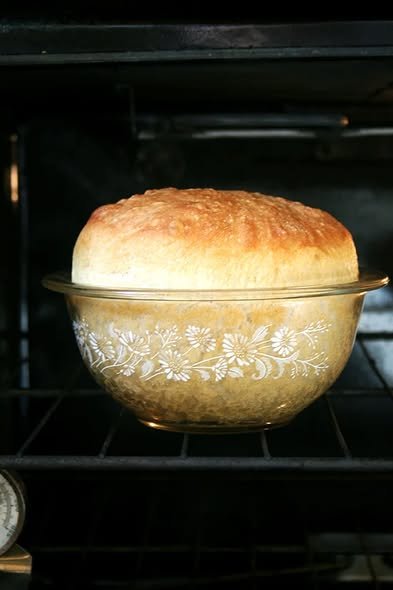
No-Knead Peasant Bread
No-Knead Peasant Bread is one of the easiest homemade breads you can make. With just a few simple ingredients and minimal effort, you can bake a loaf with a crisp golden crust and a soft, airy interior. This rustic bread is perfect for beginners because it requires no kneading, no complicated techniques, and very little hands-on time.
The beauty of peasant bread lies in its simplicity. Traditionally baked in round bowls or pans, this bread has been a staple in many households for generations. Its slightly chewy texture and mild flavor make it ideal for sandwiches, soups, or simply enjoying warm with butter.
If you’ve always wanted to bake bread but felt intimidated by the process, this no-knead recipe is the perfect place to start.
Why You’ll Love This Bread
Extremely easy to make
No kneading means less work and fewer steps.
Simple ingredients
You only need pantry staples.
Soft inside with a crisp crust
The texture is rustic and satisfying.
Versatile
Great with soups, salads, sandwiches, or spreads.
Ingredients
This recipe makes two small loaves.
- 4 cups all-purpose flour
- 2 teaspoons salt
- 2 teaspoons sugar
- 2 teaspoons instant yeast
- 2 cups warm water (about 110°F / 43°C)
- 2 tablespoons olive oil or melted butter
Optional toppings:
- Sesame seeds
- Poppy seeds
- Herbs
- Flaky sea salt
How No-Knead Bread Works
Traditional bread recipes require kneading to develop gluten, which gives bread structure. In no-knead bread, time replaces kneading. As the dough rests and rises, the gluten naturally develops, creating the same structure without the effort.
The result is a beautifully textured loaf with large air pockets and a chewy interior.
Step-by-Step Instructions
1. Mix the dry ingredients
In a large mixing bowl, combine:
- Flour
- Salt
- Sugar
- Yeast
Stir everything together so the ingredients are evenly distributed.
2. Add the water
Pour the warm water and olive oil into the dry ingredients.
Mix with a wooden spoon or spatula until a sticky dough forms. The dough should look shaggy and slightly wet—this is completely normal.
3. First rise
Cover the bowl with plastic wrap or a clean kitchen towel.
Let the dough rise in a warm place for about 1 hour, or until it doubles in size.
The dough will become airy and full of bubbles.
4. Prepare the pans
Grease two small oven-safe bowls or round baking pans with butter or oil.
Divide the dough into two equal portions and place each portion into a prepared bowl.
Let the dough rise again for 20–30 minutes.
5. Preheat the oven
Preheat your oven to 425°F (220°C).
If desired, brush the tops of the dough with olive oil or melted butter and sprinkle with seeds or herbs.
6. Bake the bread
Place the bowls or pans in the oven and bake for 20–25 minutes, or until the tops turn golden brown.
The bread should sound slightly hollow when tapped on the bottom.
7. Cool before slicing
Remove the bread from the pans and place it on a cooling rack.
Allow it to cool for at least 10–15 minutes before slicing.
This helps the crumb set properly and improves the texture.
Tips for Perfect Peasant Bread
Use warm—not hot—water
Water that is too hot can kill the yeast.
Don’t worry about sticky dough
No-knead dough is meant to be sticky.
Allow enough rise time
The rise is what develops flavor and structure.
Bake until golden brown
A well-baked crust gives the bread its rustic character.
Flavor Variations
One of the best things about peasant bread is how easily you can customize it.
Garlic Herb Bread
Add to the dough:
- 1 teaspoon garlic powder
- 1 teaspoon dried rosemary or thyme
Brush with garlic butter after baking.
Cheese Peasant Bread
Mix ½ cup shredded cheddar or parmesan into the dough for a cheesy twist.
Whole Wheat Version
Replace 1 cup of all-purpose flour with whole wheat flour for a slightly nutty flavor and more fiber.
Olive and Herb Bread
Fold in ½ cup chopped olives and a teaspoon of dried oregano.
How to Store the Bread
Room temperature:
Wrap the bread in foil or store in an airtight container for up to 3 days.
Freezer:
Slice the bread and freeze for up to 2 months.
To reheat, toast slices or warm the loaf in the oven for a few minutes.
Serving Ideas
No-Knead Peasant Bread pairs beautifully with many dishes.
Try serving it with:
- Soup or stew
- Olive oil and balsamic vinegar
- Garlic butter
- Sandwich fillings
- Cheese and charcuterie
It also makes excellent toast for breakfast.
Why Homemade Bread Is So Rewarding
Baking bread at home is more than just cooking—it’s a comforting ritual. The smell of fresh bread filling the kitchen is one of the most satisfying aromas you can experience.
With this no-knead method, anyone can enjoy that experience without complicated techniques. It’s proof that homemade bread doesn’t need to be difficult to be delicious.
Final Thoughts
No-Knead Peasant Bread is a simple yet rewarding recipe that delivers bakery-quality results with minimal effort. With its rustic crust, soft interior, and versatile flavor, it’s the kind of bread you’ll want to bake again and again.
Whether you’re a beginner baker or an experienced cook looking for an easy bread recipe, this classic loaf is a wonderful addition to any kitchen. Once you taste homemade peasant bread fresh from the oven, it’s hard to go back to store-bought bread again.