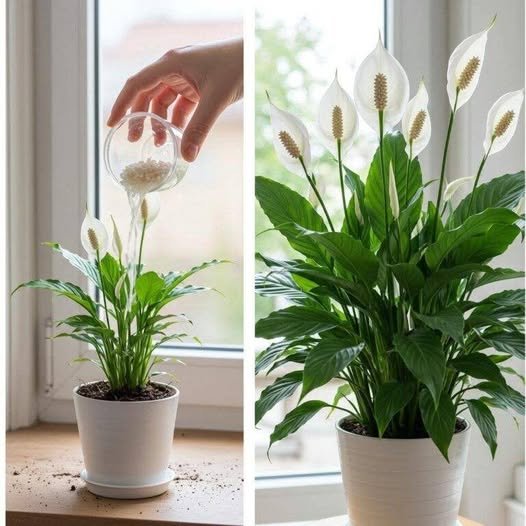
Just 1 Glass Makes Peace Lilies Bloom With So Many Flowers All Year Round
If you love houseplants, few are as elegant and rewarding as the Peace Lily. Known for its glossy green leaves and graceful white blooms, this plant brings a sense of calm and beauty into any indoor space. However, many plant lovers struggle to get their peace lilies to bloom consistently. The good news? With a simple, natural method using just one glass of a nourishing solution, you can encourage your peace lily to produce abundant flowers all year round.
In this guide, you’ll discover what makes peace lilies bloom, how to prepare this easy plant tonic, and how to care for your plant so it thrives beautifully.
Why Peace Lilies Stop Blooming
Before diving into the solution, it’s important to understand why your peace lily may not be flowering. While these plants are relatively low-maintenance, they do have specific needs.
Common reasons for lack of blooms include:
- Insufficient light
- Overwatering or underwatering
- Poor soil nutrients
- Lack of humidity
- Temperature fluctuations
Many people assume watering alone is enough, but blooming requires proper nutrition and balanced care.
The Secret: A Simple Natural Bloom Booster
The “one glass” method is a gentle, natural way to nourish your plant and stimulate flowering. This homemade tonic provides essential nutrients that strengthen roots, improve leaf health, and promote blooming.
Ingredients:
- 1 glass of water (room temperature)
- 1 teaspoon sugar
- 1 teaspoon lemon juice
Why It Works
- Sugar provides a quick energy boost for the plant’s microbial environment in the soil.
- Lemon juice helps maintain slightly acidic soil conditions, which peace lilies prefer.
- Water delivers hydration and distributes nutrients evenly.
This combination supports overall plant health, which directly impacts its ability to bloom.
How to Use the Bloom Booster
- Mix the sugar and lemon juice into the glass of water until fully dissolved.
- Pour the mixture slowly into the soil around the base of your peace lily.
- Use this solution once every 2–3 weeks.
Avoid overusing this mixture, as too much sugar can disrupt the soil balance. Consistency is key—gentle, periodic feeding works best.
Light: The Key to Continuous Flowers
Even the best plant tonic won’t work without proper lighting. Peace lilies thrive in bright, indirect light.
Place your plant near a window where it can receive filtered sunlight. Avoid direct sunlight, as it can scorch the leaves. If your plant is in a dim corner, it may survive, but blooming will be limited.
A well-lit environment signals the plant that it has enough energy to produce flowers.
Watering the Right Way
Peace lilies are sensitive to watering habits. Too much water can lead to root rot, while too little can stress the plant.
Best practices:
- Water when the top inch of soil feels dry
- Use well-draining soil
- Ensure the pot has drainage holes
Interestingly, peace lilies will droop slightly when they need water—this makes them excellent communicators!
Boosting Humidity for Better Blooms
As tropical plants, peace lilies love humidity. Dry indoor air can reduce flowering and cause brown leaf tips.
To increase humidity:
- Mist the leaves lightly a few times a week
- Place a tray of water near the plant
- Keep it in naturally humid areas like kitchens
Higher humidity levels help the plant stay lush and encourage flower production.
Fertilizing for Long-Term Success
While the natural tonic helps, peace lilies also benefit from occasional balanced fertilizer.
Use a diluted liquid houseplant fertilizer once a month during the growing season (spring and summer). Avoid over-fertilizing, as this can lead to more leaves but fewer flowers.
The goal is balance—steady nutrition without overwhelming the plant.
Repotting and Soil Health
Healthy roots are essential for blooming. If your peace lily has outgrown its pot or the soil is compacted, it may struggle to flower.
Repot every 1–2 years using fresh, well-draining soil. This refreshes nutrients and gives the roots space to grow.
Signs your plant needs repotting:
- Roots growing out of drainage holes
- Water draining too quickly
- Slowed growth
Temperature Matters
Peace lilies prefer stable indoor temperatures between 18–27°C (65–80°F). Sudden temperature changes or drafts can stress the plant and reduce blooming.
Keep your plant away from:
- Air conditioners
- Heaters
- Cold drafts from windows or doors
A stable environment encourages consistent growth and flowering.
Common Mistakes to Avoid
To keep your peace lily blooming beautifully, avoid these common errors:
- Overwatering the plant
- Placing it in very low light
- Using too much fertilizer or tonic
- Ignoring humidity needs
- Letting dust accumulate on leaves (wipe them gently for better photosynthesis)
Small adjustments can make a big difference in your plant’s health.
Final Thoughts
With the right care and a simple natural boost, your Peace Lily can reward you with stunning blooms throughout the year. The “just one glass” method is an easy and affordable way to enhance your plant’s environment and encourage continuous flowering.
Remember, thriving plants are all about balance—light, water, nutrients, and care working together. By paying attention to your peace lily’s needs and using this gentle tonic wisely, you can transform it into a lush, flowering centerpiece in your home.