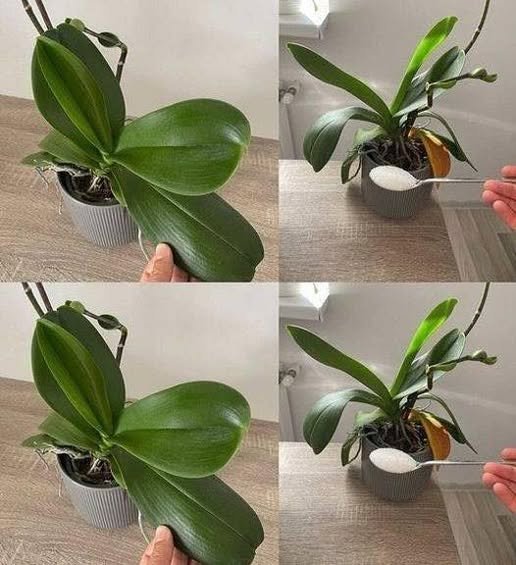
Orchids: Just 1 Tablespoon for Non-Stop Blooms – A Powerful Natural Fertilizer
Orchids are among the most elegant and rewarding houseplants, but getting them to bloom consistently can sometimes feel like a challenge. If your orchid has stopped flowering or seems slow to grow, the solution may be simpler than you think. With the right natural boost—used correctly—you can encourage healthier roots, stronger leaves, and more frequent blooms.
Let’s explore a popular “1 tablespoon” home fertilizer method, how it works, and how to use it safely for best results.
🌸 Why Orchids Stop Blooming
Before jumping into fertilizers, it’s important to understand why orchids pause flowering:
- Lack of nutrients
- Improper watering
- Insufficient light
- Natural rest period after blooming
Even healthy orchids go through cycles, but proper feeding can help them bounce back faster.
🥄 The “1 Tablespoon” Natural Fertilizer
One of the most commonly shared home remedies is using rice water or banana peel solution—both rich in nutrients that orchids can benefit from.
Option 1: Rice Water Fertilizer
Why it works:
Rice water contains small amounts of nitrogen, potassium, and minerals that support plant growth.
How to prepare:
- Take 1 tablespoon of uncooked rice
- Rinse it in 1–2 cups of water
- Strain the water into a container
How to use:
- Use this water to lightly water your orchid once every 10–14 days
Option 2: Banana Peel Fertilizer
Why it works:
Banana peels are rich in potassium, which supports flowering.
How to prepare:
- Chop a small piece of banana peel
- Soak it in 1 cup of water for 24 hours
- Strain before use
How to use:
- Apply a small amount (about 1 tablespoon per plant) to the soil or roots every 2–3 weeks
🌿 Benefits of Natural Fertilizers
When used properly, these simple solutions may help:
- Encourage root strength
- Improve leaf health
- Support flowering cycles
- Provide gentle, chemical-free nutrition
⚠️ Important Reality Check
Despite viral claims, no fertilizer can make orchids bloom “non-stop.” Orchids naturally go through rest and bloom cycles.
Overusing homemade fertilizers can actually cause harm, such as:
- Root rot
- Mold or bacteria buildup
- Nutrient imbalance
✅ Best Practices for Healthy, Blooming Orchids
To truly support your orchid, combine feeding with proper care:
1. Light
Place orchids in bright, indirect sunlight. Too little light is one of the main reasons for no blooms.
2. Watering
- Water only when roots look dry
- Avoid letting water sit in the crown (center of the plant)
3. Air Circulation
Orchids thrive in well-ventilated spaces with moderate humidity.
4. Use Balanced Fertilizer Occasionally
In addition to natural options, a diluted orchid fertilizer (store-bought) once a month can provide complete nutrients.
🌼 Signs Your Orchid Is Happy
- Firm, green leaves
- Healthy, silvery-green roots
- New growth or flower spikes
These are good indicators your care routine is working.
🌟 Final Thoughts
The “1 tablespoon” trick can be a helpful, natural way to give your orchid a gentle nutrient boost—but it’s not a miracle solution. True orchid health comes from a balance of proper light, watering, and occasional feeding.
Use these natural fertilizers wisely, stay consistent with care, and you’ll give your orchid the best chance to bloom beautifully again and again.