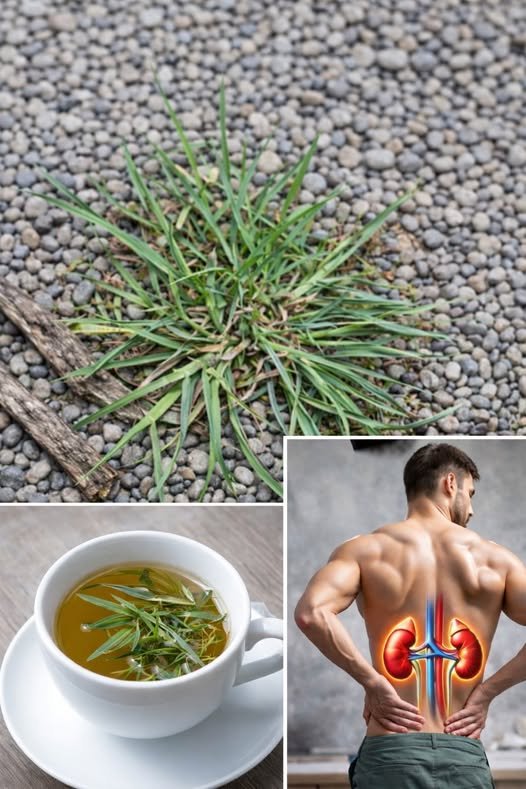
Harnessing the Power of Goose Grass: A Comprehensive Guide to Its Preparation and Therapeutic Uses
Goose grass, scientifically known as Galium aparine and commonly called cleavers, sticky weed, or catchweed, is a humble wild plant with a long history in traditional herbal practices. Often overlooked as a garden nuisance, this clinging plant has been valued for generations for its gentle cleansing properties and potential to support overall wellness. In this guide, we’ll explore what goose grass is, how it has been used traditionally, and simple ways to prepare it at home.
🌿 What Is Goose Grass?
Galium aparine is a fast-growing annual plant found in many parts of the world. It’s easy to recognize by its thin stems, whorled leaves, and tiny hooked hairs that allow it to stick to clothing and fur.
Traditionally, it has been associated with supporting the lymphatic system, skin health, and natural detoxification processes. While modern scientific evidence is still limited, its long-standing use in herbal traditions keeps it popular among natural wellness enthusiasts.
🌱 Traditional Benefits and Uses
For centuries, goose grass has been used in herbal remedies for its gentle, supportive properties. Some of the most commonly mentioned traditional uses include:
1. Lymphatic Support
Cleavers has been associated with helping the body maintain healthy lymphatic flow, which plays a role in immune function and fluid balance.
2. Skin Health
It has been used both internally and externally to support clearer skin. Herbalists often recommend it for minor skin irritations, thanks to its soothing nature.
3. Gentle Detox Support
Goose grass is sometimes described as a mild “spring tonic,” traditionally used to support the body’s natural cleansing processes.
4. Urinary Tract Support
It has also been used in traditional remedies to support urinary health and fluid balance.
🍵 How to Prepare Goose Grass
If you have access to fresh, clean goose grass (from a safe, pesticide-free area), there are several simple ways to prepare it.
🌿 1. Goose Grass Tea
One of the most popular methods is making a mild herbal tea.
Ingredients:
- A handful of fresh goose grass (or 1–2 teaspoons dried)
- 1 cup hot water
Instructions:
- Rinse the herb thoroughly
- Pour hot water over it
- Let it steep for 10–15 minutes
- Strain and drink warm
This tea is often consumed once or twice daily in small amounts.
🥤 2. Fresh Juice
Fresh goose grass can be blended with water to create a green herbal juice.
How to make:
- Blend a small handful of fresh plant with water
- Strain if desired
- Drink in small quantities
Because of its strong taste, it’s often mixed with other juices.
🧴 3. Topical Application
Goose grass can also be used externally.
Method:
- Crush fresh leaves into a paste
- Apply gently to the skin
- Leave for a short period before rinsing
This is traditionally used for minor skin soothing.
🌿 4. Infused Oil
You can create a simple herbal oil:
Steps:
- Fill a jar with dried goose grass
- Cover with a carrier oil (like olive oil)
- Let it infuse for 2–3 weeks
- Strain and store
This oil can be used for gentle massage or skin care.
⚠️ Safety and Precautions
While Galium aparine is generally considered mild in traditional use, it’s important to approach herbal remedies responsibly:
- Always correctly identify the plant before use
- Avoid harvesting from polluted or treated areas
- Start with small amounts to see how your body reacts
- Avoid use during pregnancy unless advised by a professional
- Consult a healthcare provider if you have medical conditions or take medications
🌿 What Science Says
Modern research on goose grass is still developing. While some studies explore its antioxidant and anti-inflammatory properties, there isn’t enough strong clinical evidence to confirm many traditional claims.
This doesn’t mean it has no value—it simply means more research is needed. Traditional use can offer insight, but it should be balanced with evidence-based care.
🌸 When to Consider Professional Advice
If you’re dealing with ongoing health issues—especially related to the lymphatic system, skin, or urinary tract—it’s important to seek guidance from a qualified healthcare professional.
Herbal remedies like goose grass can be complementary, but they should not replace proper diagnosis or treatment.
❤️ Final Thoughts
Goose grass, or Galium aparine, is a fascinating example of how common wild plants can hold a place in traditional wellness practices. From teas and juices to topical applications, it offers a variety of gentle, natural preparation methods.
While it’s not a miracle cure, it may serve as a supportive addition to a balanced lifestyle when used thoughtfully and safely. As with all natural remedies, the key is moderation, awareness, and respect for both tradition and science.