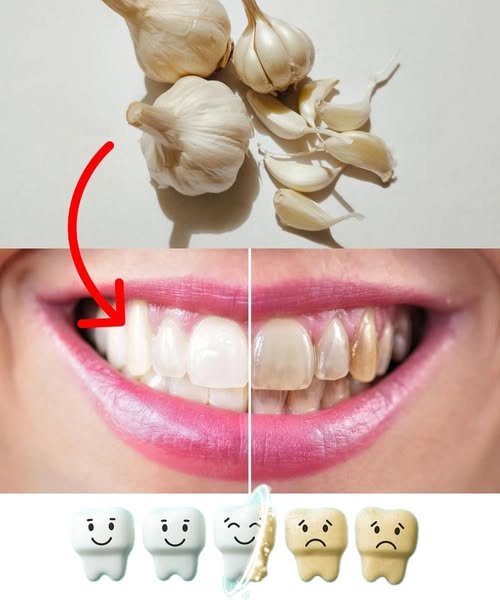
That headline makes a bold promise—but it’s a bit misleading. There isn’t a safe “secret trick” that instantly removes tartar and dramatically whitens teeth at home the way a professional cleaning can. Tartar (also called calculus) is hardened plaque, and once it forms, it can’t be safely removed at home without risking damage to your teeth and gums. That said, there are smart, dentist-approved habits that can help reduce buildup, keep your teeth looking whiter, and improve your oral health over time.
Here’s a realistic, safe guide you can share on your website.
🦷 The Truth About Tartar and Whitening
Plaque is a soft, sticky film of bacteria that forms on your teeth daily. If it’s not removed, it hardens into tartar—especially along the gumline. At that point, only professional dental tools can remove it safely.
Whitening is different: it focuses on removing stains from food, drinks, and habits like smoking. While you can improve brightness at home, results take consistency—not overnight hacks.
✨ 7 Smart Ways to Reduce Tartar & Whiten Teeth at Home
1. Brush the Right Way (Not Just More Often)
Brushing twice a day is essential—but technique matters more than force. Use a soft-bristled toothbrush and gentle circular motions, focusing on the gumline where plaque builds up.
Electric toothbrushes can be especially effective at removing plaque before it hardens into tartar.
2. Don’t Skip Flossing
Flossing removes food particles and plaque from between teeth—areas your toothbrush can’t reach. Skipping this step allows plaque to accumulate and eventually turn into tartar.
Even flossing once a day can make a big difference in preventing buildup.
3. Try Baking Soda (Occasionally)
Baking soda is mildly abrasive and can help lift surface stains, making teeth appear whiter over time.
How to use:
Mix a small amount with water and brush gently once or twice a week.
Important: Overuse can wear down enamel, so keep it occasional.
4. Use Whitening Toothpaste
Whitening toothpastes contain gentle polishing agents that help remove surface stains from coffee, tea, and food.
They won’t change your natural tooth color dramatically, but they can maintain a brighter smile when used consistently.
5. Rinse With an Antibacterial Mouthwash
An antibacterial mouthwash helps reduce plaque-forming bacteria in your mouth. Less bacteria means less plaque—and less chance of it hardening into tartar.
Look for alcohol-free options if you have sensitive gums.
6. Watch What You Eat and Drink
Certain foods and drinks stain teeth more than others, including:
- Coffee and tea
- Red wine
- Sugary snacks
- Dark sauces
Rinsing your mouth with water after consuming these can help reduce staining. Crunchy fruits and vegetables like apples and carrots can also help clean teeth naturally.
7. Stay Hydrated
Drinking water throughout the day helps wash away food particles and bacteria. It also supports saliva production, which naturally protects your teeth and helps prevent plaque buildup.
⚠️ What to Avoid (Very Important)
Some “viral hacks” can do more harm than good. Avoid:
- Scraping tartar with sharp objects (can damage enamel and gums)
- Using lemon juice or vinegar directly on teeth (acid erodes enamel)
- Overusing abrasive powders or charcoal
- DIY whitening methods that cause sensitivity or pain
If something sounds too good to be true—like instant tartar removal at home—it usually is.
🦷 When to See a Dentist
Even with perfect home care, regular dental checkups are essential. Professional cleanings remove hardened tartar safely and help prevent gum disease.
You should see a dentist if you notice:
- Yellow or brown buildup near the gums
- Bleeding when brushing or flossing
- Persistent bad breath
- Tooth sensitivity or pain
🌿 Final Thoughts
There’s no magic shortcut to removing tartar or instantly whitening teeth at home—but there are proven habits that work over time. Consistent brushing, flossing, smart product choices, and a healthy diet can significantly improve your oral health and keep your smile looking bright.