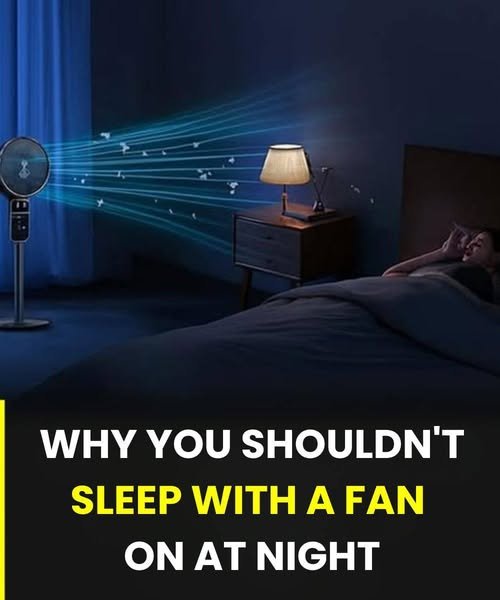
Sleeping with a fan on is a nightly ritual for millions of people around the world. The gentle hum, the circulating air, and the cooling sensation can make it easier to drift off, especially in warm climates. However, while fans can improve comfort, they don’t work the same way for everyone. In fact, some people may experience subtle or even disruptive symptoms that suggest their bodies don’t tolerate sleeping with a fan as well as they think.
If you often wake up feeling less refreshed than expected, your fan might be part of the problem. Here are five signs your body may not respond well to sleeping with a fan on—and what you can do about it.
1. You Wake Up With a Dry Throat or Mouth
One of the most common signs of sleeping with a fan is waking up with a dry throat, parched mouth, or even a scratchy feeling when you swallow. Fans circulate air continuously, which can speed up moisture evaporation from your skin, mouth, and nasal passages.
If the airflow is directed toward your face, the drying effect becomes even stronger. Over time, this can lead to irritation in your throat and sinuses, making you feel dehydrated even if you drank enough water before bed.
What you can do:
Try pointing the fan away from your face or using a humidifier alongside it. You can also lower the fan speed to reduce direct airflow.
2. You Experience Nasal Congestion or Sinus Issues
While fans can feel refreshing, they can also stir up dust, pollen, and other allergens present in your room. These particles get circulated through the air and may enter your nasal passages while you sleep.
If you frequently wake up with a blocked nose, sneezing, or sinus pressure, your fan might be contributing to the problem. People with allergies or sensitive sinuses are particularly prone to this reaction.
What you can do:
Keep your room clean, wash bedding regularly, and consider using an air purifier. Cleaning the fan blades is also essential, as dust buildup can worsen the issue.
3. You Wake Up With Stiff Muscles or Body Aches
Have you ever noticed neck stiffness or muscle soreness in the morning after sleeping with a fan? Continuous cool air blowing over your body can cause muscles to tense up slightly during the night, especially if the temperature drops too low.
This can lead to mild discomfort, tightness in the neck or shoulders, or even cramps in some cases. It’s similar to how sitting in strong air conditioning for too long can leave you feeling stiff.
What you can do:
Adjust the fan so it doesn’t blow directly on your body all night. Using a light blanket can also help maintain a more stable body temperature.
4. Your Skin Feels Dry or Irritated
Fans don’t just dry out your throat—they can also affect your skin. Continuous airflow can strip away natural moisture from your skin, leaving it feeling dry, tight, or irritated when you wake up.
This is especially noticeable for people who already have dry or sensitive skin. You might see flakiness, redness, or dullness over time if the exposure is constant.
What you can do:
Apply a gentle moisturizer before bed and avoid placing the fan too close to your face. Maintaining a balanced humidity level in your room can also make a big difference.
5. You Wake Up Feeling Tired Despite Sleeping Enough
Perhaps the most overlooked sign is poor sleep quality. Even if you sleep for a full 7–8 hours, subtle discomfort caused by constant airflow, dryness, or temperature fluctuations can interrupt your sleep cycle.
You may not fully wake up during the night, but your body might not reach the deeper, restorative stages of sleep. This can leave you feeling groggy, unfocused, or unusually tired in the morning.
What you can do:
Experiment with sleeping without a fan for a few nights or using a timer so it turns off after you fall asleep. You might notice an improvement in how rested you feel.
Final Thoughts
Sleeping with a fan on isn’t inherently bad—it can be a great way to stay cool and comfortable. However, your body’s response matters. If you consistently experience dryness, congestion, muscle stiffness, skin irritation, or unexplained fatigue, it may be worth reconsidering your nighttime setup.
Small adjustments—like changing the fan’s direction, cleaning your room more frequently, or using a humidifier—can make a noticeable difference. In some cases, switching to alternative cooling methods such as better ventilation or breathable bedding may be the best solution.
Ultimately, quality sleep is about balance. Paying attention to how your body feels each morning can help you create a sleep environment that truly supports your health and well-being.