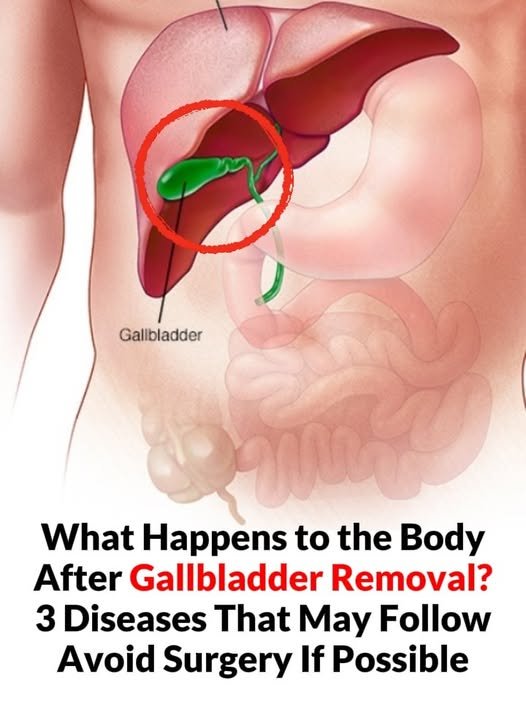
What Happens to the Body After Gallbladder Removal? Understanding the Changes and Possible Risks
Gallbladder removal, medically known as Cholecystectomy, is a common procedure performed worldwide—especially for people suffering from gallstones or gallbladder inflammation. While it’s generally considered safe and effective, many people wonder what really happens to the body afterward and whether there are long-term effects to be aware of.
Let’s explore how the body adapts after gallbladder removal, and discuss a few potential health issues that may follow—along with practical ways to support your health.
What Does the Gallbladder Do?
The gallbladder is a small organ located beneath the liver. Its main role is to store and concentrate bile, a digestive fluid produced by the liver.
Bile helps break down fats in the foods you eat. When you consume a fatty meal, the gallbladder releases bile into the small intestine to aid digestion.
After removal, your liver still produces bile—but instead of being stored, it flows continuously into the digestive system.
What Happens After Gallbladder Removal?
Most people recover well and live normal lives without a gallbladder. However, the body does go through some adjustments:
- Bile flows directly from the liver into the intestine
- Fat digestion may become less efficient, especially initially
- Some people experience temporary digestive symptoms
Common short-term effects include:
- Bloating
- Loose stools
- Mild abdominal discomfort
These symptoms usually improve within weeks to months as the body adapts.
3 Possible Conditions After Gallbladder Removal
While many people experience no long-term problems, some may develop certain conditions. It’s important to understand these—not to create fear, but to stay informed.
1. Postcholecystectomy Syndrome
A small percentage of patients develop symptoms known as Postcholecystectomy syndrome.
Symptoms may include:
- Ongoing abdominal pain
- Indigestion
- Diarrhea
- Nausea
This can occur due to bile flow changes or underlying digestive issues that were not resolved by surgery.
2. Bile Acid Diarrhea
Without the gallbladder regulating bile release, excess bile may enter the intestines, leading to irritation. This condition is known as Bile acid diarrhea.
Symptoms include:
- Frequent loose stools
- Urgency after eating
- Digestive discomfort
The good news is that this condition is manageable with diet changes and, if needed, medication.
3. Increased Risk of Digestive Imbalance
Some individuals may experience long-term digestive sensitivity, especially with high-fat foods. In rare cases, there may be a slightly increased risk of conditions like:
- Acid reflux
- Fat malabsorption
- Changes in gut microbiome
These issues are usually mild and manageable with proper lifestyle habits.
Should You Avoid Surgery?
The idea of “avoiding surgery at all costs” can be misleading. In many cases, gallbladder removal is necessary and beneficial—especially for conditions like:
- Gallstones causing severe pain
- Cholecystitis
- Risk of infection or complications
Delaying surgery when it’s medically recommended can actually lead to serious complications.
The key is balance:
- Explore non-surgical options if symptoms are mild
- Follow medical advice if surgery is necessary
How to Support Your Body After Gallbladder Removal
If you’ve had—or are planning—this surgery, here are practical ways to help your body adjust:
1. Eat Smaller, Frequent Meals
This helps your digestive system handle bile flow more effectively.
2. Reduce Fat Intake Initially
Avoid heavy, greasy, or fried foods during recovery. Gradually reintroduce healthy fats.
3. Focus on Fiber
Fiber helps regulate digestion and reduce diarrhea. Include:
- Vegetables
- Whole grains
- Fruits
4. Stay Hydrated
Drinking enough water supports digestion and overall health.
5. Monitor Your Body
Pay attention to how different foods affect you and adjust accordingly.
Natural Ways to Support Digestion
While not a replacement for medical care, these gentle approaches may help:
- Ginger tea for digestion
- Probiotic foods (yogurt, kefir)
- Peppermint tea for bloating
- Light physical activity after meals
Always consult a healthcare professional before making major changes.
Common Myths About Gallbladder Removal
Myth 1: “You can’t digest fat anymore”
Truth: You can still digest fat—just sometimes less efficiently.
Myth 2: “Everyone has long-term problems”
Truth: Most people recover fully without ongoing issues.
Myth 3: “Natural remedies can always replace surgery”
Truth: Some conditions require medical treatment to prevent serious complications.
Final Thoughts
Gallbladder removal is a common and generally safe procedure that helps many people live pain-free lives. While there can be some digestive adjustments and a small risk of certain conditions like Postcholecystectomy syndrome or Bile acid diarrhea, these are usually manageable with proper care.
Rather than fearing surgery, it’s more helpful to understand your body, follow medical advice, and adopt supportive lifestyle habits.
With the right approach, most people go on to enjoy a healthy, normal life—without significant limitations.