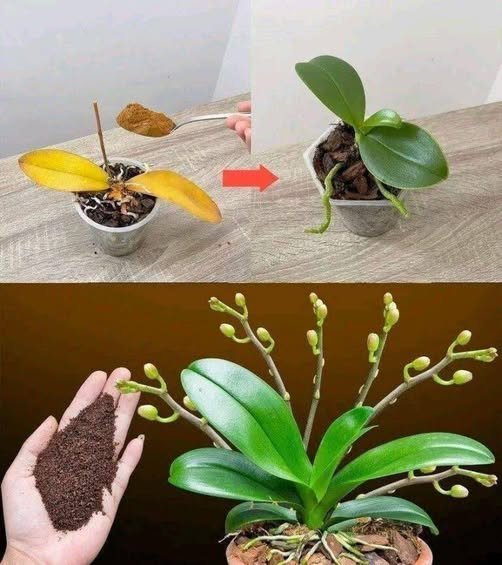
Just a Teaspoon, Suddenly the Orchid Miraculously Blooms with Lots of Flowers
Orchids are among the most elegant and captivating houseplants, admired for their delicate blooms and exotic beauty. Yet, many plant lovers struggle to get their orchids to bloom again after the first flowering cycle. If you’ve ever wondered why your orchid isn’t producing new flowers, the answer might be simpler than you think.
There’s a popular home gardening trick that involves using just a teaspoon of a natural ingredient to encourage orchids to bloom more abundantly. While it may sound like a miracle, the truth lies in understanding how orchids grow and what they need to thrive.
Let’s explore this simple method, how it works, and how you can safely use it to support healthy, blooming orchids.
Why Orchids Stop Blooming
Before jumping into the remedy, it’s important to understand why orchids sometimes refuse to bloom:
-
Lack of nutrients
-
Insufficient light
-
Improper watering
-
Temperature imbalance
-
Natural rest period after blooming
Orchids, especially Phalaenopsis (the most common indoor variety), require specific conditions to trigger flowering. Supporting these conditions is key to seeing more blooms.
The “Teaspoon Trick” Explained
One widely shared method involves using a banana peel solution or a mild natural fertilizer rich in potassium and phosphorus—two nutrients essential for flowering.
Simple Banana Peel Fertilizer
Ingredients:
-
1 banana peel
-
1 liter of water
Preparation:
-
Cut the banana peel into small pieces
-
Soak in water for 24 hours
-
Strain the liquid
How to Use:
-
Add 1 teaspoon of this solution to your orchid’s watering routine once every 2–3 weeks
Why This Works
Banana peels are rich in:
-
Potassium – supports flower development
-
Phosphorus – encourages blooming and root health
-
Magnesium – helps with photosynthesis
When used in small amounts, this natural solution can provide a gentle nutrient boost that supports the orchid’s flowering cycle.
Important: It’s Not Instant Magic
The phrase “miraculously blooms instantly” is a bit misleading. Orchids do not bloom overnight. However, with consistent care and proper feeding, you may notice:
-
Healthier leaves
-
Stronger roots
-
New flower spikes forming over time
Patience is key—orchids bloom on their own schedule, but proper care can significantly improve the chances.
Additional Tips to Encourage Orchid Blooms
1. Provide Bright, Indirect Light
Orchids thrive in bright but indirect sunlight. Too little light is one of the main reasons they don’t bloom.
2. Water Properly
-
Water once a week (or when roots turn silvery)
-
Avoid overwatering—roots should not sit in water
3. Maintain Proper Temperature
-
Day: 18–24°C (65–75°F)
-
Night: Slight drop in temperature helps trigger blooming
4. Use the Right Potting Medium
Orchids need well-draining media like bark or moss—not regular soil.
5. Fertilize Regularly
Use a balanced orchid fertilizer or natural alternatives like the banana peel solution—but always in small amounts.
Alternative Natural Boosters
If you want to try other gentle, natural options:
-
Rice water (unsalted): provides mild nutrients
-
Eggshell water: adds calcium
-
Diluted milk: supports leaf health (use sparingly)
Tip: Always dilute natural solutions to avoid damaging the roots.
Common Mistakes to Avoid
-
Using too much fertilizer: Can burn roots
-
Expecting instant blooms: Orchids need time
-
Overwatering: Leads to root rot
-
Placing in direct sunlight: Can scorch leaves
-
Ignoring rest periods: Orchids naturally pause between blooms
Signs Your Orchid Is Ready to Bloom
Watch for these indicators:
-
New green spike emerging from the base
-
Healthy, firm leaves
-
Strong, green roots
-
Gradual growth over weeks
Once a spike appears, continue gentle care and avoid moving the plant too much.
Why Natural Methods Are Popular
Many plant enthusiasts prefer natural solutions because they are:
-
Affordable
-
Eco-friendly
-
Gentle on plants
-
Easy to prepare at home
However, moderation is essential—natural doesn’t always mean risk-free.
Final Thoughts
The idea that “just a teaspoon” can make your orchid burst into bloom may sound magical, but the real secret lies in consistent care and proper conditions. Natural solutions like banana peel fertilizer can certainly help by providing essential nutrients, but they work best as part of a balanced routine.
Orchids are not difficult plants—they simply require patience and attention. With the right light, watering habits, and occasional nutrient boost, your orchid can reward you with stunning, long-lasting blooms.
So while the transformation may not happen in a single moment, this simple teaspoon trick—combined with good care—can bring you one step closer to a healthier, more vibrant orchid filled with beautiful flowers.