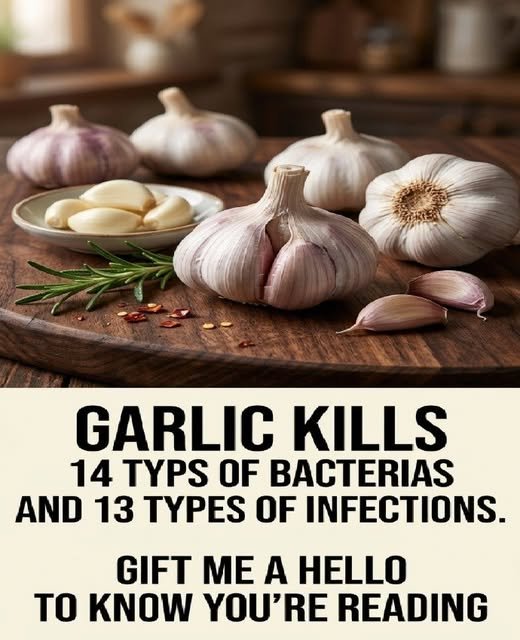
Garlic: The Ancient Superfood for Modern Health
For thousands of years, garlic has been revered not only for its unique flavor but also for its remarkable health benefits. From ancient civilizations to modern wellness enthusiasts, garlic has earned its place as a superfood that supports the body in multiple ways. Its potent compounds, natural antioxidants, and immune-boosting properties make it a staple in kitchens and medicine cabinets alike.
Whether you use it raw, cooked, or in supplements, garlic can be a powerful ally in maintaining overall health. Let’s explore why this humble bulb has stood the test of time and how it can benefit modern lifestyles.
A Brief History of Garlic
Garlic, known scientifically as Allium sativum, has been cultivated for over 5,000 years. Ancient Egyptians used it not only as a flavoring but also as a medicine for boosting strength and stamina. Greek and Roman physicians praised its healing properties, recommending it for digestive issues, respiratory problems, and infections.
Even traditional Chinese and Ayurvedic medicine recognized garlic as a natural remedy for a variety of ailments, from inflammation to cardiovascular support. Today, modern science confirms many of these traditional uses, making garlic a true bridge between ancient wisdom and contemporary health practices.
Key Health Benefits of Garlic
1. Boosts Immune System
Garlic contains allicin, a sulfur compound known for its antimicrobial and antiviral properties. Regular consumption of garlic may help prevent common illnesses like colds and flu, keeping your immune system strong.
2. Supports Heart Health
Studies suggest that garlic can reduce blood pressure, lower cholesterol, and improve arterial health. These cardiovascular benefits make it a valuable addition to a heart-healthy diet.
3. Anti-Inflammatory Properties
Chronic inflammation is linked to many modern health issues, including arthritis and metabolic disorders. Garlic’s compounds help combat inflammation, potentially reducing pain and improving mobility.
4. Antioxidant Protection
Garlic is rich in antioxidants, which help fight free radicals and protect cells from oxidative damage. This can contribute to longevity and overall vitality.
5. Blood Sugar Regulation
Garlic may help stabilize blood sugar levels, making it beneficial for those managing type 2 diabetes or insulin resistance.
6. Digestive Health
Garlic supports healthy digestion by promoting beneficial gut bacteria and may reduce harmful pathogens in the digestive tract.
How to Include Garlic in Your Diet
Garlic is versatile and can be easily incorporated into your daily meals. Here are some practical ideas:
- Raw Garlic: Crush a clove and let it sit for 5–10 minutes to maximize allicin content before eating or adding to salads.
- Cooked Garlic: Use in stir-fries, soups, roasted vegetables, and sauces. Light cooking preserves many beneficial compounds.
- Garlic Oil: Drizzle over bread, pasta, or roasted meats for flavor and health benefits.
- Supplements: Garlic capsules or powders are convenient for those who dislike the taste or smell of raw garlic.
Tip: Crushing or chopping garlic activates its healthful compounds. Allowing it to rest for a few minutes before cooking preserves its potency.
Garlic for Modern Health Challenges
Combating Stress and Fatigue
Garlic may help reduce fatigue and improve energy by supporting cardiovascular function and reducing inflammation, making it ideal for busy modern lifestyles.
Protecting Against Chronic Diseases
With its antioxidant and anti-inflammatory properties, garlic can be a natural ally against heart disease, diabetes, and even some cancers.
Enhancing Mental Health
Emerging research suggests that garlic may improve brain health, supporting memory and cognitive function through its antioxidant compounds.
Easy Garlic Recipes for Health
- Garlic and Lemon Detox Drink
Mix crushed garlic with warm water, lemon juice, and honey to support digestion and immune function. - Roasted Garlic Spread
Roast whole garlic bulbs, mash the cloves, and spread on toast or mix into soups for flavor and wellness. - Garlic-Infused Olive Oil
Simmer garlic in olive oil and drizzle over salads, pasta, or roasted veggies to get both flavor and nutrients. - Garlic Soup
A hearty garlic soup can boost immunity and provide soothing warmth during cold seasons.
Precautions
While garlic is safe for most people, there are a few considerations:
- Digestive Sensitivity: Raw garlic can cause mild heartburn or stomach upset in some individuals.
- Blood Thinners: Those on anticoagulants should consult a doctor, as garlic can enhance blood-thinning effects.
- Allergies: Though rare, some people may experience garlic allergy symptoms.
Fun Facts About Garlic
- Garlic can repel certain pests, such as mosquitoes and flies.
- It was used as a strength enhancer for laborers and athletes in ancient Egypt.
- The pungent smell comes from sulfur compounds released when garlic is crushed or chopped.
Final Thoughts
Garlic is more than just a flavorful ingredient—it’s an ancient superfood that continues to provide health benefits for modern life. Its immune-boosting, anti-inflammatory, antioxidant, and cardiovascular properties make it an essential part of a balanced diet.
Incorporating garlic into your daily routine can help support bone, heart, and brain health while promoting overall vitality. Whether eaten raw, cooked, or in supplement form, this humble bulb offers powerful protection against many common health challenges.
From ancient kitchens to contemporary wellness practices, garlic remains a timeless natural remedy—truly a superfood for modern health.