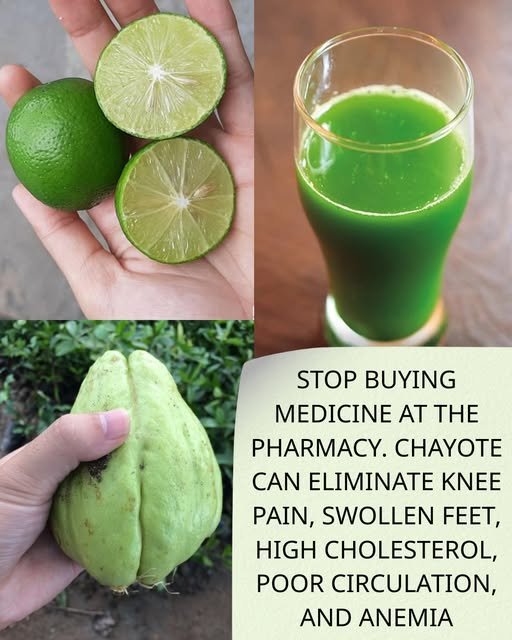
Chayote Benefits: Natural Support for Pain Relief, Better Circulation, and Overall Health
When it comes to natural foods that promote overall wellness, chayote—also known as Chayote—stands out for its remarkable nutritional profile and traditional medicinal uses. This green, pear-shaped vegetable is a staple in many cuisines worldwide, but few people realize the wide-ranging health benefits it offers, from reducing inflammation and pain to improving circulation and supporting overall health.
Rich in fiber, vitamins, and antioxidants, chayote is a versatile food that can easily be incorporated into your diet through steaming, sautéing, or even raw in salads. Its natural compounds make it a gentle yet effective ally for maintaining wellness and managing everyday discomforts.
Nutritional Profile of Chayote
Chayote is a low-calorie vegetable that provides a surprising amount of nutrients:
-
Vitamin C: Supports immune function and collagen production
-
Folate: Essential for cell repair and cardiovascular health
-
Potassium: Helps regulate blood pressure and supports circulation
-
Fiber: Promotes healthy digestion and blood sugar regulation
-
Antioxidants: Reduce oxidative stress and support overall cellular health
This nutrient-dense profile is what underlies many of chayote’s natural health benefits, including its role in pain relief and circulation.
1. Natural Pain Relief
Chayote contains anti-inflammatory compounds that may help reduce pain associated with conditions like arthritis, joint discomfort, or muscle soreness. Chronic inflammation is a common source of pain, and consuming anti-inflammatory foods like chayote can help reduce inflammatory markers in the body naturally.
How to use:
-
Incorporate chayote into your daily diet by steaming or boiling it as a side dish.
-
Use it in soups or stews to combine its benefits with other anti-inflammatory foods like garlic, ginger, or turmeric.
While chayote is not a replacement for prescribed pain medication, its natural properties make it a valuable addition to a pain-conscious diet.
2. Supports Better Circulation
Good blood circulation is essential for delivering oxygen and nutrients to tissues, supporting heart health, and reducing the risk of swelling in the extremities. Chayote contains potassium and fiber, which help maintain healthy blood pressure and improve vascular function.
-
Potassium relaxes blood vessels and promotes healthy blood flow.
-
Fiber helps regulate cholesterol levels, preventing plaque buildup in arteries.
Regular consumption of chayote, especially in combination with other heart-healthy foods, may contribute to improved circulation and cardiovascular wellness.
3. Supports Digestive Health
Chayote is high in dietary fiber, which promotes smooth digestion and prevents constipation. A healthy digestive system also indirectly supports circulation and reduces inflammation throughout the body.
Tips:
-
Eat chayote with the skin on, as much of its fiber content is concentrated there.
-
Combine with other vegetables in salads, stir-fries, or soups to maximize fiber intake.
4. Blood Sugar Regulation
The fiber and low glycemic index of chayote make it a smart choice for individuals looking to maintain stable blood sugar levels. Fiber slows down the absorption of sugars into the bloodstream, helping prevent spikes in blood glucose.
-
Steamed or sautéed chayote can be incorporated into meals as a healthy carbohydrate alternative.
-
Combining chayote with protein or healthy fats can further enhance blood sugar control.
5. Hydration and Weight Management
Chayote has a high water content, which aids hydration and gives a feeling of fullness with very few calories. For those aiming to manage weight, chayote provides volume in meals without excess calories, making it ideal for portion control and overall wellness.
6. Antioxidant and Anti-Aging Properties
Chayote contains antioxidants like vitamin C and polyphenols, which combat oxidative stress, a key factor in aging and chronic disease. Regular intake may support:
-
Skin health by promoting collagen formation
-
Cellular protection against free radical damage
-
Overall immune system function
How to Include Chayote in Your Diet
Chayote is versatile and easy to cook. Here are some ways to enjoy it:
-
Steamed or Boiled: Retains nutrients and makes a simple side dish.
-
Stir-Fried: Sauté with garlic, onions, and olive oil for a flavorful dish.
-
Raw in Salads: Thinly sliced chayote adds crunch and a mild, refreshing taste.
-
Soups and Stews: Adds texture and absorbs flavors of other ingredients.
-
Baked or Roasted: Toss with spices and roast for a delicious, nutrient-rich snack.
Precautions
Chayote is generally safe for most people, but consider the following:
-
Avoid excessive consumption if you have kidney issues; its high potassium content may affect potassium balance in certain cases.
-
Wash thoroughly before eating, especially if consuming raw, to remove pesticides or dirt.
-
As with any food, moderation is key for maximum benefit.
Final Thoughts
Chayote is more than just a low-calorie vegetable—it’s a natural, nutrient-dense food that may help:
-
Reduce pain and inflammation
-
Improve circulation, especially in the legs and feet
-
Support digestion and blood sugar balance
-
Promote hydration and weight management
-
Provide antioxidants for overall cellular health
Incorporating chayote into your daily diet is easy and offers a wide range of health benefits. Whether steamed, roasted, or added to soups and salads, this humble vegetable has the potential to be a powerful ally for natural wellness.
For those seeking natural ways to support circulation, reduce pain, and promote overall health, chayote is a simple yet effective choice that combines traditional wisdom with modern nutritional insight.