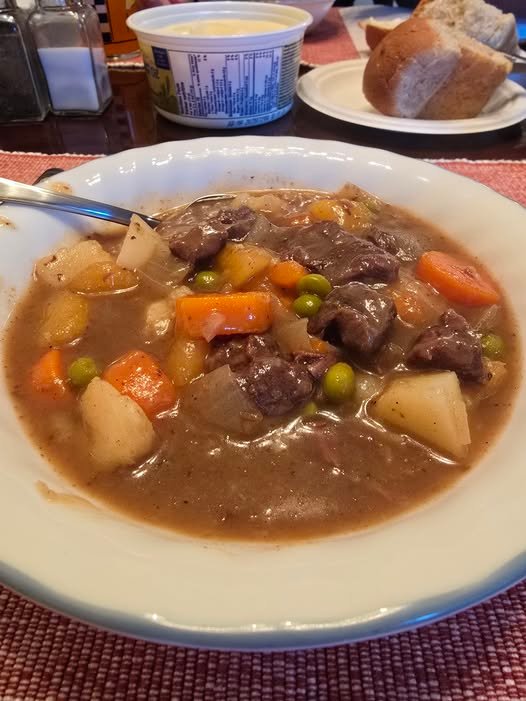
Traditional Moose Stew
Moose stew is a rustic, slow-cooked dish enjoyed in Nordic countries, Alaska, and Canada. Moose meat is lean, rich, and slightly sweet, making it ideal for long, gentle cooking. When prepared properly, it becomes incredibly tender and absorbs flavors beautifully.
This stew is warming, nourishing, and perfect for cold weather.
What Moose Meat Tastes Like
Moose meat is:
-
Leaner than beef
-
Mildly gamey but not overpowering
-
Rich in protein and iron
-
Best cooked low and slow
Because it contains very little fat, moisture and patience are key.
Ingredients (Serves 4–6)
-
1.5 kg (3 lb) moose meat, cut into large cubes
-
2 tbsp oil or butter
-
1 large onion, chopped
-
3 cloves garlic, minced
-
3 carrots, sliced
-
2 parsnips or potatoes, chopped
-
2 tbsp flour (optional, for thickening)
-
2 tbsp tomato paste
-
4 cups beef or game stock
-
1 cup red wine or dark beer (optional)
-
2 bay leaves
-
1 tsp dried thyme
-
1 tsp dried rosemary
-
Salt and black pepper, to taste
-
Optional: juniper berries, mushrooms, celery
Instructions
1. Brown the Meat
Pat the moose meat dry with paper towels. Heat oil in a heavy pot or Dutch oven over medium-high heat.
Brown the meat in batches, searing all sides. Do not overcrowd the pot. Remove meat and set aside.
2. Build the Base
In the same pot, add onion and cook until soft and golden. Add garlic and cook briefly until fragrant.
Stir in tomato paste and flour (if using), cooking for 1–2 minutes to remove raw flour taste.
3. Deglaze
Pour in red wine or beer, scraping up browned bits from the bottom of the pot. Let it simmer for 2–3 minutes.
4. Slow Cook
Return meat to the pot. Add stock, herbs, bay leaves, salt, and pepper. Bring to a gentle simmer.
Cover and cook:
-
Stovetop: 2½–3 hours on low
-
Oven: 160°C / 325°F for 3 hours
-
Slow cooker: 6–8 hours on low
Add carrots and root vegetables halfway through cooking.
5. Finish & Rest
Taste and adjust seasoning. Remove bay leaves. Let stew rest for 10–15 minutes before serving.
The stew will thicken naturally as it cools slightly.
Tips for Perfect Moose Stew
-
Never boil — moose becomes tough if cooked too fast
-
Add fat if needed (butter or marrow improves richness)
-
Acid (wine, tomato) helps tenderize lean meat
-
Stew tastes even better the next day
Serving Suggestions
Serve moose stew with:
-
Mashed potatoes
-
Boiled potatoes or dumplings
-
Crusty bread
-
Pickled vegetables or lingonberries
Storage & Freezing
-
Refrigerate up to 3 days
-
Freeze up to 3 months
-
Reheat gently to avoid drying the meat
Final Thoughts
Moose stew is a celebration of traditional cooking—simple ingredients, slow heat, and deep flavor. When treated with respect, moose meat delivers a comforting, unforgettable dish that reflects the landscapes it comes from.