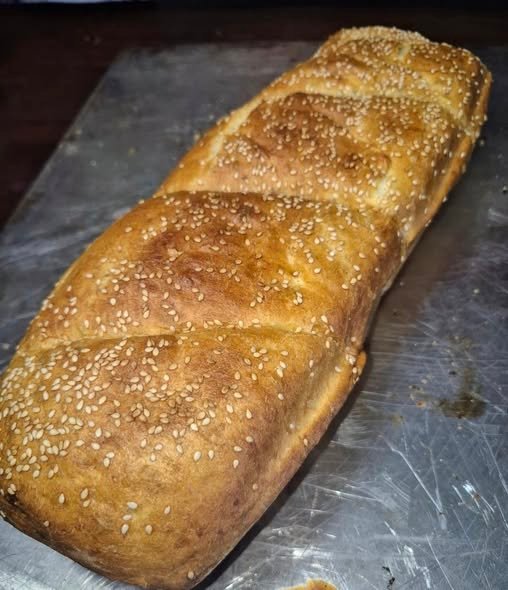
Authentic Italian Bread Recipe (Pane Italiano)
Italian bread is a timeless classic known for its crisp golden crust, soft airy interior, and simple ingredients. Unlike enriched breads, traditional Italian bread relies on flour, water, yeast, and salt, allowing technique and fermentation to create flavor. This rustic loaf has been a staple of Italian households for centuries and remains one of the most versatile breads in the world.
Whether served alongside pasta, used for sandwiches, dipped in olive oil, or toasted for bruschetta, homemade Italian bread delivers unmatched freshness and texture. This recipe follows traditional methods while remaining accessible for home bakers of all skill levels.
Why Italian Bread Is So Special
Italian bread stands apart because of its simplicity. There is no butter, milk, or sugar-heavy dough. Instead, the focus is on:
-
Proper yeast fermentation
-
Gentle kneading
-
Adequate rising time
-
High-heat baking with steam
These elements work together to produce a loaf with a crackly crust and a light, chewy crumb. Italian bread is not meant to be overly soft or sweet; it is designed to complement meals rather than overpower them.
Ingredients
To make one large loaf or two medium loaves:
-
4 cups all-purpose flour or bread flour
-
1½ cups warm water (about 110°F / 43°C)
-
2¼ teaspoons active dry yeast (1 packet)
-
2 teaspoons salt
-
1 teaspoon sugar (optional, for yeast activation)
-
1 tablespoon olive oil (optional but traditional)
Ingredient Notes:
-
Bread flour will create a chewier texture due to higher protein.
-
Olive oil is optional but adds subtle flavor and softness.
-
Use fresh yeast for best rise and flavor.
Step-by-Step Instructions
1. Activate the Yeast
In a large bowl, combine the warm water, yeast, and sugar. Stir gently and allow the mixture to rest for 5–10 minutes until foamy. This step confirms the yeast is active and ready to leaven the dough.
2. Mix the Dough
Add the flour, salt, and olive oil to the yeast mixture. Stir until a shaggy dough forms. The dough should be slightly sticky but manageable. Avoid adding too much extra flour, as hydration helps create an airy crumb.
3. Knead the Dough
Turn the dough onto a lightly floured surface and knead for 8–10 minutes until smooth and elastic. The dough should spring back slightly when pressed.
Alternatively, knead in a stand mixer with a dough hook for 6–7 minutes on medium speed.
4. First Rise (Bulk Fermentation)
Place the dough into a lightly oiled bowl, turning once to coat. Cover with a clean towel or plastic wrap and let rise in a warm area for 1 to 1½ hours, or until doubled in size. This rise develops flavor and structure.
5. Shape the Loaf
Punch down the risen dough gently to release excess air. Shape into a long oval loaf or divide into two smaller loaves. Place on a parchment-lined baking sheet or lightly floured peel if using a baking stone.
6. Second Rise
Cover loosely and allow the dough to rise again for 30–45 minutes. This final rise ensures a lighter interior and better oven spring.
7. Score the Bread
Preheat the oven to 425°F (220°C). Using a sharp knife or bread lame, make 2–3 shallow diagonal cuts across the top of the loaf. Scoring allows controlled expansion during baking and creates a traditional appearance.
8. Create Steam for a Crispy Crust
Place an oven-safe pan filled with hot water on the bottom rack of the oven. Steam is essential for achieving a crisp, bakery-style crust.
9. Bake
Bake for 25–30 minutes until the loaf is golden brown and sounds hollow when tapped on the bottom. For extra color, bake an additional 5 minutes if needed.
10. Cool Before Slicing
Transfer the bread to a wire rack and allow it to cool for at least 20 minutes. Cutting too early can compress the crumb and release excess moisture.
Tips for Perfect Italian Bread
-
Use steam: Steam during the first 10 minutes of baking is key to crust development.
-
Don’t rush fermentation: Flavor improves with longer rises.
-
Measure accurately: Too much flour can result in a dense loaf.
-
Bake hot: High heat gives Italian bread its signature crust.
Serving Suggestions
Italian bread is incredibly versatile:
-
Serve warm with olive oil and balsamic vinegar
-
Use for panini or deli-style sandwiches
-
Toast for garlic bread or bruschetta
-
Pair with soups, stews, or pasta dishes
-
Slice thick and grill for crostini
Storage and Freezing
-
Store at room temperature in a paper bag for up to 2 days.
-
Avoid plastic bags, which soften the crust.
-
Freeze sliced bread for up to 3 months; reheat in the oven for best texture.
Final Thoughts
Making Italian bread at home is a rewarding experience that connects you to centuries of baking tradition. With just a handful of ingredients and a little patience, you can create a rustic loaf with incredible flavor and texture. Whether you are a beginner or an experienced baker, this Italian bread recipe delivers consistent, delicious results every time.
Fresh, simple, and endlessly adaptable, Italian bread remains one of the most beloved breads in the world—and now, you can bake it in your own kitchen.