How Traditional Medicine Can Support Health During Cancer Treatment (A Balanced Guide)
Cancer is a complex group of diseases characterized by uncontrolled cell growth and spread. Conventional treatments — such as surgery, chemotherapy, radiation therapy, targeted therapy, and immunotherapy — remain the cornerstone of care because they have been rigorously tested in clinical trials. However, many people also turn to traditional and complementary medicine to support wellbeing during cancer care.
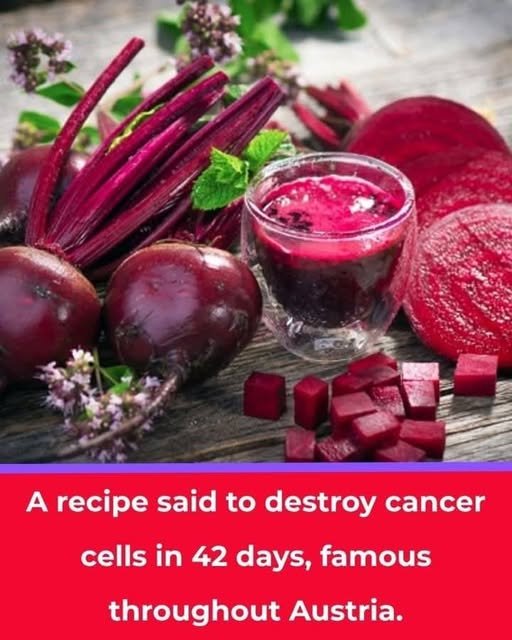
This article explores how traditional medicine approaches can complement conventional cancer treatment, what evidence exists, and how to integrate them safely — not to “destroy cancer cells in 42 days,” but to support quality of life and treatment tolerance.
1. Understanding Traditional Medicine
Traditional medicine (TM) refers to health practices, knowledge, and beliefs based on indigenous cultural systems. These may include:
-
Herbal medicine (plant-based remedies)
-
Traditional Chinese Medicine (TCM) (acupuncture, herbs, qi balancing)
-
Ayurveda (Indian traditional system)
-
Homeopathy
-
Nutritional therapies
-
Mind–body practices (yoga, meditation, tai chi)
Many of these have evolved over centuries and are used by millions globally. Some components have scientific backing for symptom relief; others lack rigorous evidence.
2. What Science Says: Evidence vs. Claims
Benefits Supported by Evidence
Certain traditional approaches can help with symptoms and side effects of cancer treatments:
-
Acupuncture has been shown to reduce nausea from chemotherapy and pain in some patients.
-
Mind–body practices (meditation, yoga) can reduce stress, anxiety, and improve sleep.
-
Some herbs and supplements help with fatigue or appetite — but many can interfere with cancer drugs
Limitations
-
No high-quality evidence shows that any traditional therapy consistently kills cancer cells or cures cancer in a fixed timeframe.
-
Many herbal remedies can interact with chemotherapy or targeted therapies, reducing effectiveness or causing toxicity.
Key takeaway: Traditional medicine can support wellness and symptom management, but should not replace evidence-based cancer treatment.
3. How Traditional Medicine May Support Cancer Care
Below are areas where traditional approaches may be beneficial when used appropriately and coordinated with oncology care.
A. Herbal Medicine and Phytotherapy
Herbs have been used for thousands of years for healing and immune support. Examples include:
-
Turmeric/Curcumin: Anti-inflammatory; studied for supportive effects, not as a standalone cure.
-
Green tea polyphenols: Antioxidants with some laboratory anticancer activity; human evidence is limited.
-
Ginger: Can help reduce nausea.
Important: Some herbs like St. John’s Wort, garlic supplements, or ginseng can affect how chemotherapy drugs are metabolized. Always consult your oncologist before using herbs.
B. Traditional Chinese Medicine (TCM)
TCM includes acupuncture, herbal formulas, and mind–body balance principles.
-
Acupuncture: May relieve pain, chemotherapy-induced nausea, neuropathy.
-
Herbal formulas: Some are being researched for quality of life benefits.
TCM does not view cancer as a single disease but as an imbalance of energies; care is personalized.
C. Ayurveda
Ayurveda focuses on balancing doshas (body types) with herbs, diet, and lifestyle.
-
Ashwagandha and turmeric are among herbs studied for adaptogenic and anti-inflammatory properties.
-
Cleansing and detoxification practices are traditional but have limited evidence in cancer care.
Caution: Certain detox or purging practices can be harmful if not medically supervised.
D. Mind–Body Practices
These are among the safest supportive therapies.
-
Meditation & mindfulness: Reduce anxiety, improve coping.
-
Yoga & gentle movement: Improve flexibility, energy, and mood.
-
Tai Chi/Qigong: Support balance and relaxation.
These practices can be integrated with conventional care safely.
4. Evidence and Limitations: What Research Shows
Scientific research in traditional and complementary medicine is growing, but limitations exist:
-
Many studies are small, lack rigorous controls, or are in early stages.
-
Positive lab findings (in cells or animals) do not always translate to human benefit.
-
Standardization of herbs and herbal formulas is difficult.
What this means for patients: Traditional therapies are best seen as supportive care, not curative treatments.
5. Safety First: Communication With Your Medical Team
Integrating traditional medicine safely requires open communication:
✅ Tell your oncologist and care team about any herbs, supplements, or therapies you want to try.
✅ Avoid stopping chemotherapy or radiation based on claims of quick cures.
✅ Be cautious with products promising miraculous outcomes — these are not supported by evidence.
Some herbs and supplements can:
-
Affect how drugs are processed in the body
-
Increase bleeding risk
-
Interfere with immune therapies
-
Cause liver or kidney toxicity
Your medical team can help evaluate safety and interactions.
6. Personalized Care: What Works for One Person May Not for Another
Cancer is not one disease. Types, stages, genetics, overall health, and treatments vary widely. Therefore:
-
Traditional approaches should be tailored to individual needs.
-
What supports one person (e.g., acupuncture for nausea) may be less relevant for another.
Personalized care plans developed with healthcare professionals ensure safety and effectiveness.
7. Realistic Goals and Expectations
Instead of “destroying cancer cells in 42 days,” focus on achievable, supportive outcomes such as:
✔ Reducing treatment side-effects
✔ Improving sleep and mood
✔ Enhancing appetite and digestion
✔ Reducing stress and anxiety
✔ Supporting overall quality of life
Setting realistic goals helps patients maintain hope while staying grounded in evidence.
8. Questions to Ask Before Trying a Traditional Therapy
Before starting any traditional therapy, consider:
🔹 Has this therapy been studied in cancer patients?
🔹 Could it interact with my current treatments?
🔹 Is it regulated or standardized?
🔹 Have I discussed it with my oncologist?
Asking these questions can protect your health while exploring supportive care options.
9. Conclusion: A Balanced, Informed Approach
Traditional medicine offers many supportive tools that can enhance wellbeing during cancer treatment. These practices may help improve symptoms, reduce stress, and support overall quality of life. However:
❌ They are not proven to cure cancer on their own
❌ No therapy reliably destroys cancer cells in a fixed period like 42 days
❌ Safety and integration with conventional care are essential
The best approach is informed, collaborative care — combining evidence-based conventional medicine with supportive traditional practices, under the guidance of healthcare professionals.
References & Further Resources
-
American Cancer Society: Complementary and Alternative Medicine
-
National Cancer Institute: Integrative Oncology
-
World Health Organization: Traditional Medicine Strategy