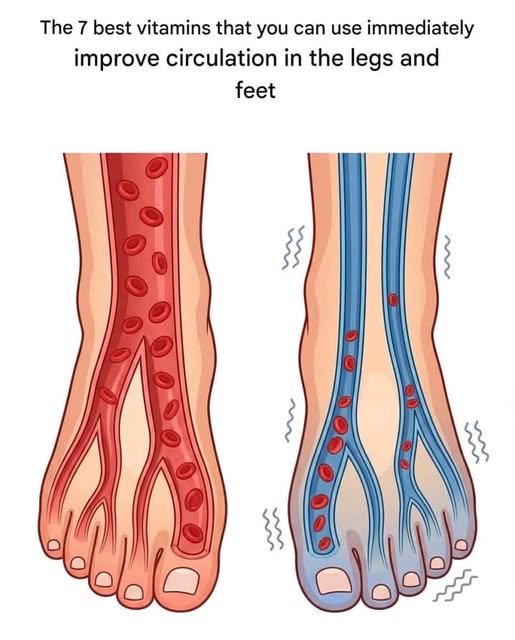
Suffering from Poor Circulation? Here’s How to Improve It in Just 20 Minutes
Poor circulation is a common issue that affects many people, often causing symptoms such as cold hands and feet, numbness, tingling sensations, fatigue, or swelling in the legs. While severe circulation problems require medical attention, many mild cases can be improved naturally through simple daily habits. The good news is that with the right techniques, you can stimulate blood flow and help your body feel more energized in as little as 20 minutes a day.
Healthy circulation is essential because blood carries oxygen and nutrients to every cell in the body. When blood flow slows down, organs, muscles, and tissues may not receive what they need to function properly. Over time, poor circulation can contribute to discomfort and reduced mobility.
The strategies below combine gentle movement, breathing techniques, and natural remedies to help improve blood flow quickly and safely.
Why Circulation Matters
Your circulatory system is responsible for transporting oxygen, nutrients, and hormones throughout the body. When circulation is healthy, your cells function efficiently, your muscles recover faster, and your body maintains optimal temperature.
Poor circulation can sometimes be linked to conditions such as Peripheral Artery Disease, Diabetes, or High Blood Pressure, but it can also occur due to sedentary lifestyle habits, dehydration, smoking, or prolonged sitting.
Fortunately, small lifestyle changes can make a noticeable difference.
A Simple 20-Minute Circulation Boost Routine
This routine combines movement, stretching, and relaxation techniques designed to stimulate blood flow.
1. Warm Up Your Body (3 Minutes)
Start by gently warming up your muscles.
-
Stand up and march in place.
-
Swing your arms lightly.
-
Roll your shoulders forward and backward.
This quick warm-up signals your heart to increase blood flow and prepares your muscles for movement.
2. Gentle Cardio Movement (7 Minutes)
Light cardio activity is one of the fastest ways to improve circulation.
Try one of these simple activities:
-
Brisk walking around the room or outside
-
Climbing stairs slowly
-
Dancing to music
-
Light cycling
The goal is not intense exercise but steady movement that increases your heart rate slightly. Even a few minutes of gentle cardio can encourage blood to move through your arteries and veins more efficiently.
3. Stretching for Blood Flow (5 Minutes)
Stretching helps open blood vessels and relieve muscle tension that can restrict circulation.
Focus on these stretches:
Calf Stretch
Stand facing a wall, step one foot back, and gently press the heel into the ground.
Hamstring Stretch
Sit on the floor and reach toward your toes.
Arm and Shoulder Stretch
Extend one arm across your chest and hold it with the opposite hand.
Hold each stretch for 20–30 seconds and breathe deeply.
4. Deep Breathing Exercise (3 Minutes)
Deep breathing improves oxygen delivery and supports healthy circulation.
Try this simple breathing technique:
-
Sit comfortably with your back straight.
-
Inhale slowly through your nose for 4 seconds.
-
Hold your breath for 2 seconds.
-
Exhale slowly through your mouth for 6 seconds.
Repeat this cycle several times. This helps relax blood vessels and encourages better blood flow.
5. Leg Elevation (2 Minutes)
If you experience swelling or tired legs, elevating them briefly can help blood return to the heart.
-
Lie down on the floor or bed.
-
Place your legs against a wall or on pillows.
-
Relax and breathe slowly.
This simple technique can reduce pressure in the lower limbs and improve circulation.
Additional Natural Ways to Improve Circulation
In addition to the 20-minute routine, these daily habits can help maintain healthy blood flow.
Stay Hydrated
Water keeps blood from becoming too thick and supports smooth circulation throughout the body.
Eat Circulation-Friendly Foods
Certain foods naturally support vascular health:
-
Leafy greens
-
Citrus fruits
-
Garlic
-
Ginger
-
Fatty fish rich in omega-3
These foods contain nutrients that help maintain flexible blood vessels.
Massage
Gentle massage stimulates blood flow and relaxes muscles. Even a quick foot or calf massage can improve circulation.
Avoid Long Periods of Sitting
Sitting for long periods slows circulation. Try to stand up and move around every 30–60 minutes.
Warning Signs You Shouldn’t Ignore
While mild circulation issues can improve with lifestyle changes, persistent symptoms may require medical attention.
Seek professional advice if you experience:
-
Severe leg pain while walking
-
Persistent numbness
-
Blue or pale skin color
-
Slow-healing wounds
These symptoms could indicate underlying conditions such as Peripheral Artery Disease or complications related to Diabetes.
Final Thoughts
Improving circulation doesn’t always require intense workouts or complicated treatments. Simple habits like light exercise, stretching, deep breathing, and leg elevation can stimulate blood flow and help your body feel more energized.
Spending just 20 minutes a day focusing on movement and relaxation can make a noticeable difference in how your body feels. Over time, these small actions support better cardiovascular health, improved mobility, and increased overall well-being.