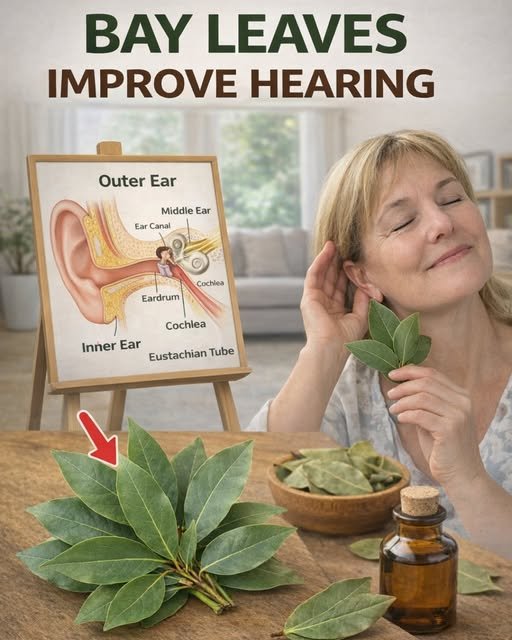
Discover How Bay Leaves Can Become Part of Your Daily Routine to Naturally Support Hearing Wellness
Bay leaves are best known as a kitchen staple, quietly flavoring soups, stews, and sauces. Yet beyond their culinary role, bay leaves (Laurus nobilis) have a long history in traditional wellness practices. For centuries, they have been valued not only for aroma and taste, but also for their natural compounds that support overall balance in the body.
In recent years, interest has grown around how bay leaves may be incorporated into daily routines to support general ear and hearing wellness—not as a cure or treatment, but as part of a holistic, lifestyle-based approach to well-being.
Understanding Hearing Wellness
Hearing wellness is influenced by many factors, including circulation, inflammation, nerve health, and overall lifestyle habits. Stress, poor circulation, environmental noise, and aging can all affect how the ears function over time.
Traditional wellness practices often focus on supporting the body as a whole, rather than targeting one specific system. Bay leaves fit well into this philosophy, offering gentle, supportive properties that may contribute to overall sensory comfort when used responsibly.
Why Bay Leaves Have Been Valued Traditionally
Bay leaves have been used in traditional systems across the Mediterranean, Asia, and parts of the Middle East. Historically, they were associated with clarity, protection, and vitality.
From a natural wellness perspective, bay leaves contain:
-
Aromatic essential oils
-
Antioxidant plant compounds
-
Natural phytonutrients
-
Minerals in trace amounts
These components are believed to support circulation, relaxation, and cellular balance—all of which are important factors in maintaining sensory wellness, including hearing.
How Bay Leaves May Support Hearing Wellness Naturally
While bay leaves are not a medical treatment for hearing conditions, they may support habits and routines that promote ear comfort and overall balance.
1. Supporting Healthy Circulation
Good circulation plays a role in delivering oxygen and nutrients throughout the body, including to the delicate structures of the ears. Bay leaves have traditionally been associated with circulation support when used in teas or infused preparations.
2. Helping the Body Manage Oxidative Stress
Antioxidants help protect cells from oxidative stress, which is linked to aging and sensory decline. Bay leaves naturally contain antioxidant compounds that support overall cellular health.
3. Promoting Relaxation and Stress Balance
Stress and tension can affect sensory perception. The calming aroma of bay leaves has been traditionally used to promote relaxation, which may indirectly support hearing comfort.
4. Supporting Inflammatory Balance
Traditional use often associates bay leaves with helping the body maintain a healthy inflammatory response, which is important for overall comfort and wellness.
Simple Ways to Use Bay Leaves Daily
Incorporating bay leaves into your routine does not require complicated preparations. Small, consistent habits are key.
Bay Leaf Tea
One of the most popular traditional methods.
How to prepare:
-
Add 2–3 dried bay leaves to 2 cups of water
-
Simmer gently for 10 minutes
-
Strain and allow to cool slightly before drinking
This tea is often enjoyed in the evening for relaxation and balance.
Bay Leaf Aromatherapy
The aroma of bay leaves can be soothing.
Simple method:
-
Add a few bay leaves to a bowl of hot water
-
Inhale the steam gently (avoid direct contact with hot steam)
This practice is traditionally associated with relaxation and mental clarity.
Bay Leaf Infused Oil (External Use Only)
Bay leaf–infused oil has been used in traditional practices for gentle massage around the neck and jaw area.
Important: This is for external use only and should never be placed inside the ear.
Cooking with Bay Leaves
Using bay leaves regularly in cooking is one of the easiest ways to enjoy their benefits.
-
Add to soups, stews, beans, and broths
-
Remove before serving
-
Consistent culinary use supports overall wellness gently over time
Lifestyle Habits That Complement Bay Leaf Use
Bay leaves work best as part of a broader wellness routine.
Support Hearing Wellness By:
-
Staying hydrated
-
Managing stress
-
Limiting prolonged exposure to loud noise
-
Supporting circulation through movement
-
Eating antioxidant-rich foods
Bay leaves can be a small but meaningful addition to these habits.
Safety and Responsible Use
Bay leaves are generally safe when used in cooking and mild preparations, but some precautions are important:
-
Never consume whole bay leaves (they can be sharp and hard to digest)
-
Avoid placing bay leaf preparations inside the ear
-
Use in moderation
-
Consult a healthcare professional if you have chronic ear issues or are pregnant
Natural wellness practices should always complement, not replace, professional care.
Why Bay Leaves Are Gaining Attention Again
As people seek natural ways to support everyday wellness, traditional plants like bay leaves are being rediscovered. Their accessibility, affordability, and long history make them appealing for those looking to enhance daily routines gently and sustainably.
Rather than promising quick fixes, bay leaves represent a slow, supportive approach—one that aligns with holistic wellness and mindful living.
Final Thoughts
Bay leaves may seem simple, but their traditional role in wellness routines tells a deeper story. By supporting circulation, relaxation, and overall balance, bay leaves can become a gentle companion in a lifestyle focused on long-term hearing wellness.
When used responsibly—through teas, aromatherapy, cooking, and mindful habits—bay leaves offer a natural way to nurture the body without extreme measures. While they are not a treatment or cure, they remind us that wellness often begins with small, consistent choices rooted in tradition.