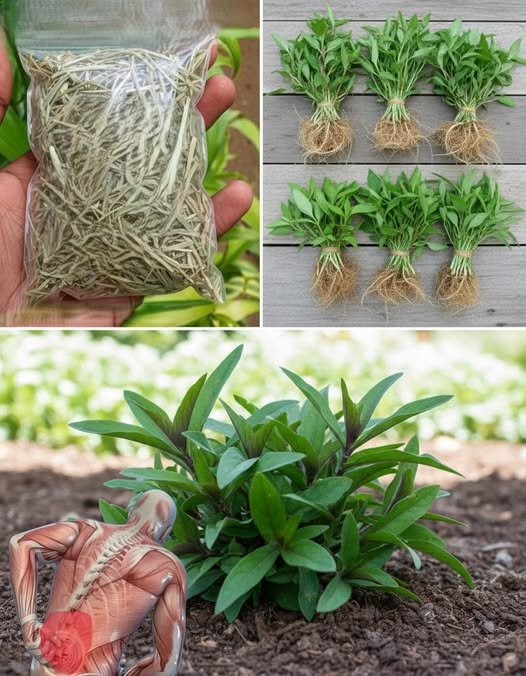
30 Incredible Benefits of Goosegrass (Eleusine indica)
Goosegrass (Eleusine indica), often dismissed as a common roadside weed, has been valued for generations in traditional medicine systems across Asia, Africa, and parts of the Americas. Known by many names—such as crowfoot grass, wiregrass, or Indian goosegrass—this resilient plant has long been used for its nourishing, cleansing, and balancing properties.
While modern science is still exploring its full potential, goosegrass continues to attract attention for its traditional health applications and natural wellness support.
Important note: The benefits below are based on traditional use, nutritional content, and early scientific observations. Goosegrass is not a substitute for medical treatment, and anyone with health conditions should consult a healthcare professional before using herbal remedies.
What Is Goosegrass (Eleusine indica)?
Goosegrass is a hardy annual grass found in tropical and subtropical regions worldwide. It thrives in disturbed soils and grows quickly, making it easy to harvest in traditional settings. The leaves, stems, and roots have all been used in folk remedies, usually prepared as teas, decoctions, or poultices.
Nutritionally, goosegrass contains plant compounds such as flavonoids, phenols, and minerals that contribute to its traditional reputation.
30 Traditional and Potential Benefits of Goosegrass
1. Supports Natural Detoxification
Traditionally used to help the body eliminate waste and support cleansing processes.
2. Promotes Urinary Health
Often prepared as a tea to encourage healthy urine flow.
3. May Support Kidney Function
Used in folk medicine to support kidney balance and hydration.
4. Aids Digestion
Traditionally consumed to ease mild digestive discomfort.
5. Helps Maintain Fluid Balance
Used to support the body’s natural water regulation.
6. Rich in Plant Antioxidants
Contains compounds that help protect cells from oxidative stress.
7. Traditionally Used for Fever Support
Used in herbal practices to help the body cope during feverish conditions.
8. Supports Liver Health
Folk traditions associate goosegrass with gentle liver support.
9. Promotes Skin Health
Applied topically in some cultures to soothe minor skin concerns.
10. Helps Calm Inflammation
Used traditionally to support the body’s natural inflammatory response.
11. Supports Respiratory Comfort
Sometimes used in teas to help ease mild breathing discomfort.
12. Encourages Healthy Blood Circulation
Traditional use links goosegrass to circulatory balance.
13. Supports Joint Comfort
Used externally or internally in folk practices for joint well-being.
14. Helps Maintain Blood Sugar Balance
Early studies suggest it may support healthy glucose metabolism.
15. Traditional Support for Blood Pressure Balance
Used cautiously in folk medicine to support cardiovascular health.
16. Promotes Wound Healing
Poultices made from crushed leaves have been traditionally applied to minor wounds.
17. Supports Immune Defense
Plant compounds may help support natural immune responses.
18. Aids in Reducing Water Retention
Traditionally valued for its mild diuretic properties.
19. Helps Cleanse the Digestive Tract
Used to support digestive regularity.
20. Promotes General Vitality
Often included in traditional wellness tonics.
21. Supports Women’s Wellness
Used in folk traditions to support balance during monthly cycles.
22. May Help Ease Muscle Tension
Applied externally or consumed in teas for muscle comfort.
23. Supports Oral Health
Used in some cultures as a natural mouth rinse.
24. Encourages Healthy Metabolism
Traditionally linked to metabolic balance.
25. Supports Nervous System Calm
Used in herbal preparations aimed at relaxation.
26. Helps Soothe Headaches
Used traditionally in teas or compresses.
27. Supports Healthy Appetite
Believed to help regulate appetite in traditional medicine.
28. Promotes Natural Cooling of the Body
Used in warm climates for its cooling properties.
29. Helps Maintain Electrolyte Balance
Naturally contains minerals important for hydration.
30. Supports Overall Body Balance
Considered a holistic herb that supports multiple systems gently.
How Goosegrass Is Traditionally Used
-
Herbal tea: Fresh or dried leaves steeped in hot water
-
Decoction: Roots or stems simmered longer for stronger extracts
-
Poultice: Crushed leaves applied externally
-
Infused water: Used in warm climates as a cooling drink
Preparation methods vary widely by culture and region.
Safety and Precautions
Although goosegrass has a long history of traditional use, it should be used responsibly:
-
Avoid during pregnancy unless advised by a professional
-
Do not consume large quantities
-
Ensure correct plant identification
-
Consult a healthcare provider if you have kidney, heart, or chronic conditions
Natural does not always mean risk-free.
Why Goosegrass Is Gaining Renewed Interest
As more people explore plant-based wellness and traditional knowledge, goosegrass is being rediscovered for its versatility and accessibility. Its resilience, nutrient content, and long-standing role in folk medicine make it a fascinating subject for ongoing research.
Modern studies are beginning to examine its antioxidant, anti-inflammatory, and antimicrobial properties, helping bridge traditional wisdom with contemporary science.
Final Thoughts
Goosegrass (Eleusine indica) may look ordinary, but its traditional value is anything but. Used for centuries across multiple cultures, it represents the power of humble plants in supporting natural balance and wellness.
While it should never replace professional medical care, goosegrass remains a compelling example of how traditional knowledge continues to inspire modern approaches to holistic health.