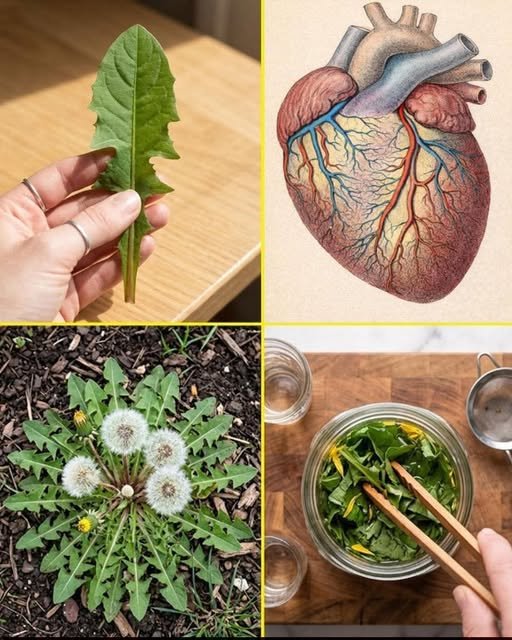
The Dandelion Leaf: A Powerful Herb for Your Heart Health + Recipe
Often seen as a simple garden weed, the dandelion plant is actually one of nature’s most valuable medicinal herbs. For centuries, traditional herbal medicine has used dandelion leaves to support digestion, detoxification, and heart health. Packed with vitamins, minerals, and plant compounds, these vibrant green leaves offer a natural way to nourish the body.
The leaves of the Dandelion plant are especially valued for their potential to support cardiovascular wellness. When used in teas, salads, or cooked dishes, they provide nutrients that help the body maintain healthy circulation, blood pressure balance, and overall heart function.
Why Dandelion Leaves Are So Powerful
Dandelion leaves contain an impressive range of nutrients that support overall wellness. They are rich in vitamins A, C, and K, as well as minerals like potassium, calcium, and magnesium.
These nutrients work together to support important functions in the body, including fluid balance, healthy blood vessels, and proper heart rhythm.
Another key feature of dandelion leaves is their natural antioxidant content. Antioxidants help protect the body from oxidative stress, which can contribute to inflammation and cardiovascular problems over time.
Benefits of Dandelion Leaves for Heart Health
1. Supports Healthy Blood Pressure
Dandelion leaves are naturally high in potassium, a mineral that plays an essential role in regulating blood pressure. Potassium helps balance sodium levels in the body, allowing blood vessels to relax and promoting healthier circulation.
Because of this, foods rich in potassium—like dandelion leaves—can support cardiovascular health when included in a balanced diet.
2. Helps Reduce Fluid Retention
Dandelion leaves have long been known for their natural diuretic properties. This means they may help the body eliminate excess water through increased urine production.
Unlike some synthetic diuretics, dandelion leaves may help remove excess fluid while still supplying potassium, making them popular in herbal wellness traditions.
Reducing fluid retention can ease strain on the heart and support overall circulation.
3. Rich in Antioxidants
Dandelion leaves contain several beneficial plant compounds, including flavonoids and polyphenols. These antioxidants help reduce inflammation and protect blood vessels from damage caused by free radicals.
Over time, reducing oxidative stress can contribute to improved heart health and overall vitality.
4. Supports Healthy Cholesterol Levels
Some research suggests that compounds in dandelion may help support balanced cholesterol levels when combined with a healthy lifestyle.
Maintaining balanced cholesterol levels is an important factor in protecting the heart and supporting long-term cardiovascular health.
5. Encourages Natural Detoxification
Dandelion leaves also support liver function, which plays a key role in detoxifying the body. A healthy liver helps process fats, regulate cholesterol, and remove waste products from the bloodstream.
When the liver functions efficiently, it indirectly supports the health of the cardiovascular system.
How to Use Dandelion Leaves
Dandelion leaves are versatile and can be used in several ways:
-
Fresh in salads
-
Cooked like spinach
-
Blended into smoothies
-
Brewed as herbal tea
-
Added to soups or sautéed dishes
Their flavor is slightly bitter, similar to arugula or mustard greens. Cooking the leaves can soften the bitterness and create a milder taste.
Heart-Supporting Dandelion Tea Recipe
One of the easiest ways to enjoy the benefits of dandelion leaves is by making a simple herbal tea.
Ingredients
-
1 tablespoon dried Dandelion Leaves (or a small handful fresh)
-
1 cup hot water
-
1 teaspoon Honey (optional)
-
1 teaspoon Lemon Juice (optional)
Instructions
-
Bring water to a gentle boil.
-
Place the dried or fresh dandelion leaves in a cup or teapot.
-
Pour the hot water over the leaves.
-
Cover and allow the tea to steep for 8–10 minutes.
-
Strain the leaves from the tea.
-
Add honey or lemon if desired.
Drink this tea once or twice a day as part of a healthy routine.
Additional Tips for Using Dandelion Leaves
Harvest from clean areas
If gathering fresh leaves, ensure they come from areas free from pesticides or pollution.
Choose young leaves
Young spring leaves tend to be less bitter than mature ones.
Start with small amounts
Because dandelion has mild diuretic effects, it’s best to begin with moderate portions.
A Note on Natural Remedies
While dandelion leaves have been used in traditional wellness practices for generations, they should not replace professional medical advice or treatment. Anyone with existing health conditions or those taking medications should consult a healthcare professional before adding new herbal remedies to their routine.
Final Thoughts
The humble Dandelion leaf is a powerful example of how nature often provides valuable wellness tools in the most unexpected places. Rich in nutrients, antioxidants, and supportive plant compounds, this simple herb can play a helpful role in supporting heart health and overall well-being.
By incorporating dandelion leaves into teas, salads, or cooked dishes, you can enjoy both their nutritional benefits and their long tradition as a natural herbal remedy.