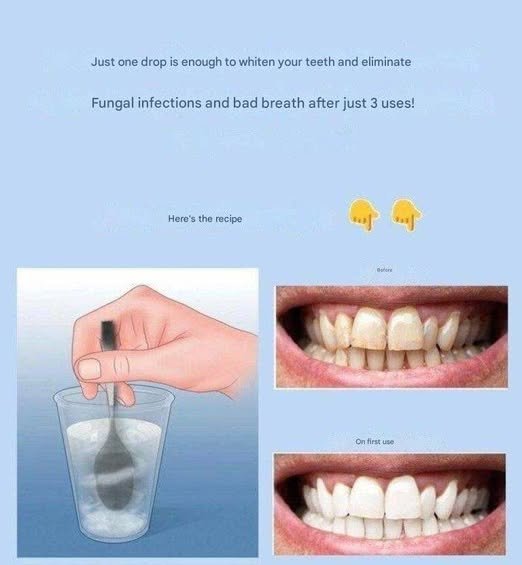
Remove Tartar and Whiten Your Teeth with This Simple Natural Recipe
A bright, clean smile is something many people desire, but over time plaque and tartar can build up on teeth, causing discoloration and making teeth appear dull or yellow. Tartar, also known as dental calculus, forms when plaque hardens on the teeth due to minerals in saliva. Once tartar develops, it can be difficult to remove with regular brushing alone.
While professional dental cleanings are the most effective way to remove hardened tartar, some simple home remedies may help reduce plaque buildup and gently brighten teeth. Natural ingredients like baking soda and hydrogen peroxide have long been used in oral care because of their cleansing and whitening properties.
When used properly and in moderation, this simple mixture may help freshen the mouth, remove surface stains, and support overall oral hygiene.
Understanding Plaque and Tartar
Before exploring the recipe, it’s helpful to understand how plaque and tartar form.
Plaque is a soft, sticky film made up of bacteria that constantly forms on teeth. If plaque is not removed by brushing and flossing, it can harden and turn into tartar.
Tartar buildup can lead to:
-
Yellow or brown stains on teeth
-
Gum irritation and inflammation
-
Bad breath
-
Increased risk of cavities
-
Gum disease if left untreated
Unlike plaque, tartar attaches firmly to the teeth and usually requires professional dental tools to remove completely. However, maintaining good oral hygiene and occasionally using gentle natural cleansers may help reduce plaque before it turns into tartar.
Why Baking Soda and Hydrogen Peroxide?
This simple home mixture relies on two widely known ingredients.
Baking Soda
Baking soda, also called sodium bicarbonate, has mild abrasive properties that can help remove surface stains from teeth. It also helps neutralize acids in the mouth, which may reduce the growth of bacteria.
Possible benefits include:
-
Gently polishing tooth surfaces
-
Neutralizing acidic bacteria
-
Helping remove plaque buildup
-
Supporting fresher breath
Because baking soda is mildly abrasive, it should be used carefully and not too frequently.
Hydrogen Peroxide
Hydrogen peroxide is a common ingredient in many commercial whitening products. It has natural antibacterial properties and can help lighten certain surface stains on teeth.
Potential benefits include:
-
Helping whiten teeth
-
Reducing bacteria in the mouth
-
Supporting healthier gums
-
Helping remove mild discoloration
Most home remedies use 3% hydrogen peroxide, which is commonly available in pharmacies.
Simple Natural Whitening Recipe
This mixture can be prepared quickly using ingredients many people already have at home.
Ingredients
-
1 teaspoon baking soda
-
1 teaspoon 3% hydrogen peroxide
Optional:
-
A few drops of water to adjust the texture
-
A small pinch of salt for extra cleansing
Instructions
-
Place the baking soda in a small bowl.
-
Add the hydrogen peroxide slowly while mixing.
-
Stir until a smooth paste forms.
-
If the mixture is too thick, add a drop or two of water.
The final texture should resemble regular toothpaste.
How to Use the Mixture
-
Dip your toothbrush into the paste.
-
Gently brush your teeth for about 1–2 minutes.
-
Focus on areas where plaque tends to build up.
-
Rinse your mouth thoroughly with water.
After using the mixture, it’s a good idea to brush again with regular toothpaste to restore the mouth’s natural balance.
Important Tips for Safe Use
Although this mixture can help remove surface stains, it should be used carefully to avoid damaging tooth enamel.
Keep these tips in mind:
Use it occasionally
Limit use to once or twice per week.
Brush gently
Avoid scrubbing aggressively to protect enamel.
Rinse thoroughly
Make sure no residue remains in the mouth.
Do not swallow
Hydrogen peroxide should always be spit out after use.
If you have sensitive teeth or gum irritation, discontinue use and consult a dental professional.
Daily Habits That Help Prevent Tartar
The best way to prevent tartar buildup is through consistent oral care. Natural remedies can help, but they should never replace daily hygiene habits.
Healthy dental routines include:
Brushing twice a day
Use fluoride toothpaste and brush for at least two minutes.
Flossing daily
Floss removes plaque between teeth where brushes cannot reach.
Drinking plenty of water
Water helps wash away food particles and bacteria.
Limiting sugary foods and drinks
Sugar feeds the bacteria that produce plaque.
Regular dental checkups
Professional cleanings help remove tartar that brushing cannot eliminate.
Foods That Support Oral Health
Certain foods can naturally help keep teeth cleaner and healthier.
These include:
-
Crunchy fruits like apples
-
Raw vegetables such as carrots and celery
-
Dairy products rich in calcium
-
Green tea, which contains natural antioxidants
Eating these foods regularly can support healthier teeth and gums.
When to See a Dentist
While home remedies can help maintain oral hygiene, they cannot replace professional dental care.
You should see a dentist if you notice:
-
Persistent tartar buildup
-
Bleeding gums
-
Tooth sensitivity or pain
-
Loose teeth
-
Severe discoloration
Dentists use specialized tools and techniques to safely remove hardened tartar and protect your teeth.
Final Thoughts
Maintaining clean, healthy teeth requires a combination of good daily habits and regular dental care. Simple natural mixtures like baking soda and hydrogen peroxide may help reduce surface stains and support a brighter smile when used carefully.
However, it’s important to remember that tartar removal is best handled by dental professionals. Home remedies can support oral hygiene, but they should always be used responsibly and in moderation.