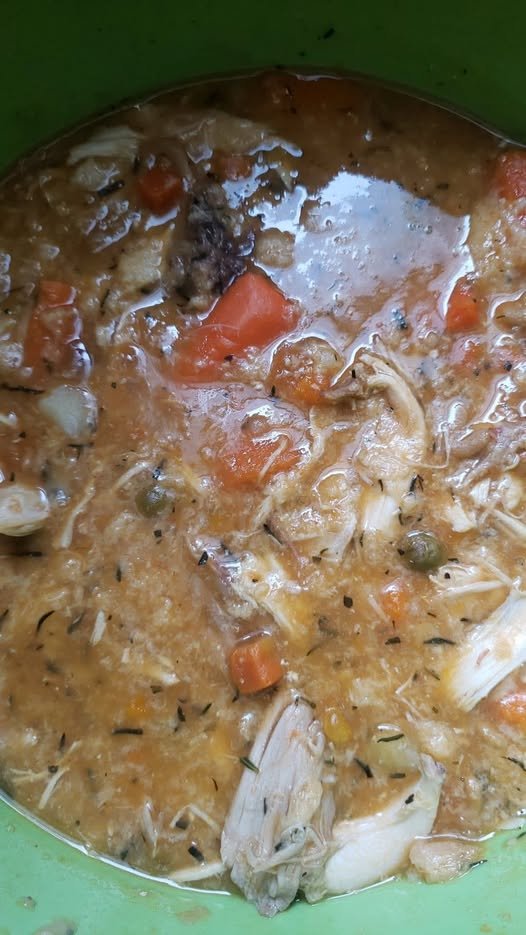
Turkey Soups: Comforting, Nutritious, and Perfect for Any Season
Turkey soup is one of the most comforting and practical dishes you can make. Whether you’re using leftover roast turkey from a holiday meal or starting fresh with turkey parts, turkey soups are warm, nourishing, and endlessly adaptable. From classic brothy versions to creamy, vegetable-packed bowls, turkey soup turns simple ingredients into something deeply satisfying.
Across many cultures, turkey soup represents comfort, thrift, and care—making the most of what you have while creating a meal that feeds both body and soul.
Why Turkey Soup Is So Popular
Turkey soup has earned its place as a kitchen staple for several reasons:
-
It’s an excellent way to use leftovers
-
Turkey provides lean, high-quality protein
-
It freezes and reheats beautifully
-
It can be light or hearty, depending on ingredients
-
It’s soothing and filling without being heavy
Whether served as a starter or a full meal, turkey soup fits nearly every lifestyle and season.
Nutritional Benefits of Turkey Soup
Turkey soup is naturally nutritious, especially when made with vegetables and broth.
Key Benefits
-
High in protein for muscle support and satiety
-
Lower in fat than many red-meat soups
-
Rich in minerals when made with bones
-
Hydrating and gentle on digestion
-
Customizable for low-carb, dairy-free, or gluten-free diets
Homemade turkey broth adds depth of flavor while contributing collagen and minerals.
Classic Turkey Vegetable Soup
This timeless version is light, clean, and comforting.
Typical Ingredients
-
Turkey meat (light or dark)
-
Onion, carrots, celery
-
Garlic
-
Herbs like thyme, parsley, and bay leaf
-
Turkey or chicken broth
The result is a clear, flavorful soup that highlights the natural taste of turkey and vegetables. It’s perfect for when you want something nourishing but not heavy.
Turkey Noodle Soup: A Comfort Classic
Turkey noodle soup is perhaps the most familiar and beloved variety.
Why It Works
-
Tender turkey pieces
-
Soft egg noodles or pasta
-
Savory broth
-
Simple vegetables
This soup is often associated with comfort during cold weather or recovery from illness. It’s hearty without being overwhelming and can easily be made from holiday leftovers.
Creamy Turkey Soup Variations
For those who enjoy richer soups, creamy turkey soups deliver warmth and indulgence.
Popular Creamy Options
-
Creamy turkey and mushroom soup
-
Turkey potato soup
-
Turkey and wild rice soup
Greek yogurt, milk, or light cream can be used to achieve a creamy texture without making the soup too heavy.
Turkey Rice Soup: Light and Filling
Turkey rice soup is a great alternative to noodle-based soups.
Why Rice Works Well
-
Absorbs flavor beautifully
-
Makes the soup more filling
-
Naturally gluten-free
White rice keeps the soup light, while brown rice adds heartiness and fiber. This version is especially popular in Mediterranean-style cooking.
Hearty Turkey Stew-Style Soups
When you want something closer to a full meal, turkey stew-style soups are ideal.
Common Additions
-
Potatoes or sweet potatoes
-
Beans or lentils
-
Corn or peas
-
Thickened broth
These soups are filling enough to serve on their own and are perfect for batch cooking.
Using Turkey Bones for Broth
One of the greatest strengths of turkey soup is the ability to make rich, homemade broth.
Simple Turkey Bone Broth Method
-
Simmer turkey bones with onion, carrot, celery
-
Add garlic, bay leaves, and peppercorns
-
Cook slowly for several hours
-
Strain and use immediately or freeze
Homemade turkey broth adds depth and richness that store-bought versions can’t match.
Flavor Enhancers and Herbs
Turkey has a mild flavor that pairs well with many seasonings.
Popular Herbs and Spices
-
Thyme
-
Rosemary
-
Sage
-
Parsley
-
Black pepper
For global variations, turkey soup can include ginger, turmeric, cumin, or paprika.
Turkey Soup Around the World
Turkey soup appears in many cuisines:
-
American: Turkey noodle and vegetable soups
-
Mediterranean: Turkey with lemon, rice, and herbs
-
Eastern European: Turkey soups with root vegetables
-
Latin-inspired: Turkey soup with corn, cilantro, and lime
These variations show how adaptable turkey soup can be.
Tips for the Best Turkey Soup
-
Use dark meat for richer flavor
-
Add cooked pasta or rice near the end to avoid mushiness
-
Taste and season gradually
-
Skim excess fat if needed
-
Let soup rest before serving—flavor improves with time
Soup often tastes even better the next day.
Storage and Freezing
Turkey soup is ideal for meal prep.
Storage Guidelines
-
Refrigerator: Up to 4 days
-
Freezer: Up to 3 months
If freezing, store pasta or rice separately when possible to preserve texture.
When to Serve Turkey Soup
Turkey soup is perfect for:
-
Post-holiday meals
-
Cold winter evenings
-
Light lunches
-
Meal prep
-
Comfort food cravings
It works equally well as a simple supper or a nourishing family meal.
Why Turkey Soup Never Goes Out of Style
Turkey soup remains popular because it represents warmth, practicality, and care. It’s a dish that adapts to what you have, respects ingredients, and brings comfort without excess. From simple broths to rich, hearty bowls, turkey soup proves that humble meals can be deeply satisfying.
Final Thoughts
Turkey soups are more than just a way to use leftovers—they’re a celebration of comfort, nourishment, and tradition. With endless variations and simple ingredients, turkey soup deserves a regular place in every kitchen.
Whether you prefer it light and brothy or rich and hearty, turkey soup is a timeless dish that warms both body and spirit—one bowl at a time.