Who Should Be Careful When Eating Cauliflower? A Guide to Understanding Its Effects
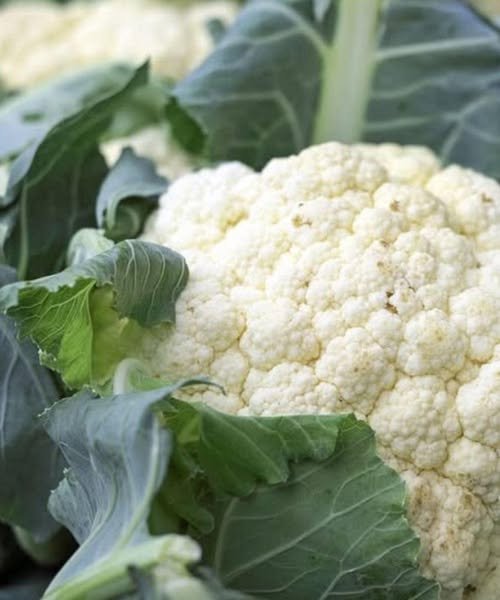
Cauliflower has become one of the most popular vegetables in modern kitchens. From cauliflower rice and pizza crusts to soups and roasted dishes, this versatile vegetable is praised for its low calorie content, high fiber, and impressive nutritional profile. It belongs to the cruciferous vegetable family, the same group that includes broccoli, cabbage, and Brussels sprouts.
For most people, cauliflower is a healthy and beneficial addition to the diet. However, like many nutritious foods, it may not be suitable for everyone in large amounts. Certain individuals may need to eat it in moderation due to specific health conditions or sensitivities.
In this article, we’ll explore the nutritional benefits of cauliflower and explain who should be careful when eating it and why moderation may sometimes be necessary.
The Nutritional Benefits of Cauliflower
Before discussing who should limit cauliflower, it’s important to understand why it’s considered such a healthy food.
Cauliflower is rich in essential nutrients that support overall health. One cup of raw cauliflower provides:
-
Vitamin C
-
Vitamin K
-
Folate
-
Fiber
-
Antioxidants
-
Plant compounds that support immune health
It’s also naturally low in calories and carbohydrates, making it a popular choice for people following low-carb or weight-conscious diets.
Additionally, cauliflower contains antioxidants that help protect the body from oxidative stress and inflammation.
People Who Should Be Careful When Eating Cauliflower
Although cauliflower offers many benefits, certain people may need to monitor how much they eat.
1. People With Thyroid Issues
Cauliflower contains compounds called goitrogens, which can interfere with the body’s ability to use iodine effectively. Iodine is essential for healthy thyroid function.
For individuals with thyroid disorders such as hypothyroidism, consuming large amounts of raw cruciferous vegetables may potentially affect thyroid hormone production.
However, it’s important to note that this usually occurs only when very large amounts are consumed regularly.
Cooking cauliflower significantly reduces these compounds, making it safer for those with thyroid concerns. In most cases, moderate consumption of cooked cauliflower is perfectly fine.
2. People With Sensitive Digestion
Cauliflower is high in fiber and contains natural sugars known as FODMAPs, which can be difficult for some people to digest.
Individuals with digestive conditions such as irritable bowel syndrome (IBS) may experience symptoms such as:
-
Bloating
-
Gas
-
Stomach discomfort
-
Cramping
This happens because certain carbohydrates in cauliflower ferment in the digestive system.
If you have a sensitive stomach, it may help to eat smaller portions or cook the cauliflower thoroughly, as cooking can make it easier to digest.
3. People Taking Blood-Thinning Medication
Cauliflower contains a notable amount of vitamin K, a nutrient that plays a key role in blood clotting.
While vitamin K is essential for health, people taking blood-thinning medications should maintain a consistent intake of vitamin K to avoid interfering with their medication.
This doesn’t mean cauliflower must be avoided entirely, but it’s important not to suddenly increase or decrease consumption drastically without consulting a healthcare professional.
4. People Prone to Kidney Stones
Cauliflower contains compounds called oxalates, which may contribute to kidney stone formation in individuals who are already prone to developing certain types of stones.
For most people, the amount of oxalates in cauliflower is not problematic. However, those who have a history of calcium oxalate kidney stones may want to moderate their intake and maintain a balanced diet.
Drinking enough water and eating a variety of vegetables can help reduce the risk.
5. People With Food Allergies
Although rare, some individuals may have an allergy or sensitivity to cauliflower or other cruciferous vegetables.
Symptoms of a food allergy may include:
-
Skin rashes
-
Itching
-
Swelling
-
Digestive discomfort
If someone experiences these symptoms after eating cauliflower, they should seek medical advice and avoid the food until they receive proper guidance.
Tips for Enjoying Cauliflower Safely
If you love cauliflower but fall into one of the groups mentioned above, there are several ways to enjoy it while minimizing potential issues.
Cook It Thoroughly
Cooking cauliflower helps reduce compounds that can interfere with digestion and thyroid function.
Start With Small Portions
If you’re unsure how your body reacts, begin with small servings and observe how you feel.
Pair It With Other Foods
Combining cauliflower with protein, healthy fats, and other vegetables can help improve digestion and balance your meal.
Eat a Variety of Vegetables
Instead of relying heavily on one vegetable, aim for a colorful variety of produce to ensure balanced nutrition.
Healthy Ways to Prepare Cauliflower
Cauliflower is incredibly versatile and can be used in many delicious dishes.
Popular preparation methods include:
-
Roasted cauliflower with olive oil and spices
-
Cauliflower rice as a low-carb alternative to regular rice
-
Creamy cauliflower soup
-
Mashed cauliflower instead of mashed potatoes
-
Cauliflower stir-fry
Cooking methods like roasting or steaming can enhance the flavor while making the vegetable easier to digest.
How Much Cauliflower Is Safe to Eat?
For most healthy adults, eating cauliflower a few times per week is completely safe and beneficial.
A typical serving size is about 1 cup of cooked cauliflower. This provides nutrients without overwhelming the digestive system.
Balance and variety are key components of a healthy diet, so cauliflower should be part of a diverse selection of fruits and vegetables.
Final Thoughts
Cauliflower is a nutritious and versatile vegetable that offers many health benefits, including fiber, vitamins, and antioxidants. For the majority of people, it is a healthy addition to a balanced diet.
However, individuals with thyroid issues, sensitive digestion, certain medical conditions, or those taking blood-thinning medications may need to consume it more carefully or in moderation.
Understanding how your body responds to different foods is an important part of maintaining good health. By preparing cauliflower properly and enjoying it as part of a varied diet, most people can continue to benefit from its nutritional value without concern.