Difference Between Green Onions, Scallions, Spring Onions, and Chives
Onions are a kitchen staple, but when it comes to fresh, mild varieties, the terminology can get confusing. Recipes often call for green onions, scallions, spring onions, or chives, and while they might seem interchangeable, they each have distinct characteristics, flavors, and culinary uses. Understanding the differences can help you choose the right one for your dish.
1. Green Onions
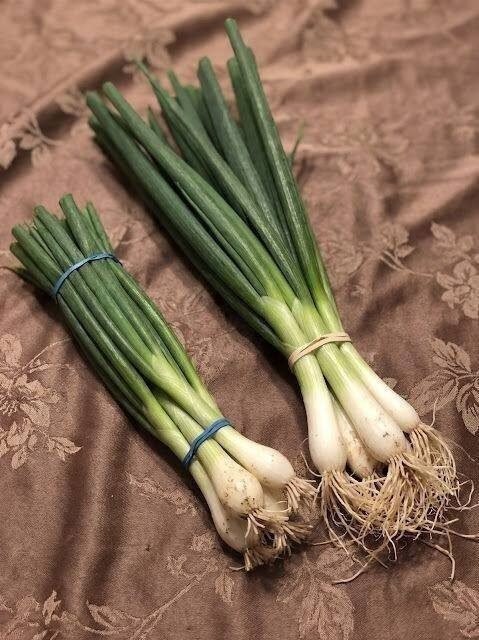
Green onions are young onions harvested before the bulb has fully developed. They have:
-
Long green stalks and a small white base
-
Mild onion flavor that is less pungent than mature onions
-
Versatile use, both raw and cooked
Green onions are commonly used in salads, stir-fries, omelets, and garnishes. Both the green tops and the white bottoms are edible, though the white part has a stronger flavor.
2. Scallions
Scallions are essentially another name for green onions in many countries, so the terms are often used interchangeably. However, in some regions, scallions may refer specifically to the younger, thinner green onions.
Key points:
-
Mild flavor, similar to green onions
-
Can be used raw or cooked
-
Both green and white parts are edible
The distinction between scallions and green onions is mostly regional terminology, but they function the same way in recipes.
3. Spring Onions
Spring onions are slightly more mature than green onions. They have:
-
A larger, more developed bulb at the base
-
Stronger flavor than scallions or green onions
-
Green stalks that are still tender, but with a more pronounced onion taste
Spring onions are often used in roasting, grilling, or braising, where their flavor can deepen. They’re also excellent in salads for a more noticeable onion presence.
4. Chives
Chives are a completely different type of allium. They are:
-
Very thin, grass-like stalks
-
Delicate, mild onion flavor, often described as slightly garlicky
-
Used mainly as a garnish rather than a cooked vegetable
Chives are best added at the end of cooking or sprinkled raw over soups, baked potatoes, and eggs. Only the green stalks are edible; there’s no bulb.
Quick Comparison Table
| Feature | Green Onion | Scallion | Spring Onion | Chives |
|---|---|---|---|---|
| Bulb size | Small, undeveloped | Small, undeveloped | Larger, developed | None |
| Flavor | Mild | Mild | Stronger | Delicate, mild |
| Edible parts | White + green | White + green | White + green | Only green stalks |
| Best use | Raw, cooked | Raw, cooked | Roasting, grilling | Garnish, finishing touch |
| Appearance | Thin, straight | Thin, straight | Slightly thicker | Very thin, grass-like |
Tips for Choosing the Right Onion Type
-
For a subtle, fresh flavor: Use chives or green onions
-
For stronger onion flavor in cooking: Use spring onions
-
For garnishes: Chives or green onions are perfect
-
For stir-fries and soups: Green onions/scallions work best
Cooking Notes
-
Both the white and green parts of green onions and scallions can be used in cooking. The white part adds flavor, while the green part adds color.
-
Spring onions can handle longer cooking times because of their sturdier bulb.
-
Chives are best added last, as heat can quickly reduce their delicate flavor.
Bottom Line
Although green onions, scallions, spring onions, and chives all belong to the onion family, they each have unique characteristics that make them suited for different culinary purposes. Knowing the difference helps ensure your dish has the intended flavor and presentation.
-
Green onions = mild and versatile
-
Scallions = basically the same as green onions
-
Spring onions = stronger flavor with a bulb
-
Chives = delicate, used for garnishing
Using the right type can elevate your cooking and prevent overpowering or underwhelming flavors in your recipes.