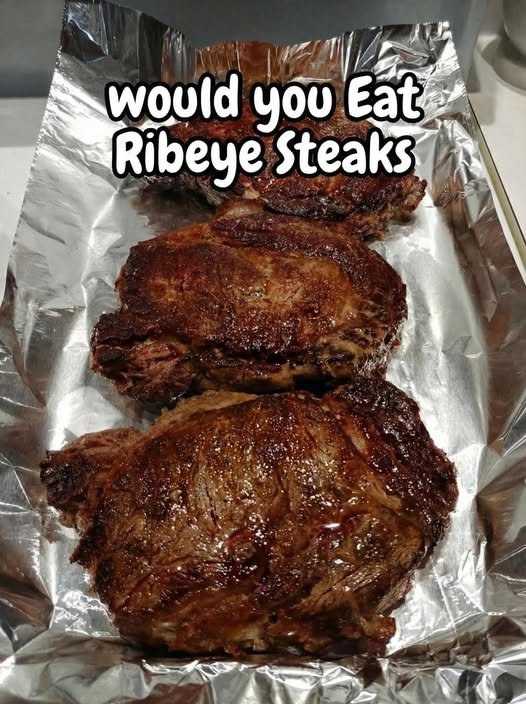
Ribeye Steak: The Ultimate Guide to Flavor, Juiciness, and Perfect Cooking
When it comes to steak, few cuts inspire as much devotion as the ribeye. Known for its rich marbling, bold beefy flavor, and melt-in-your-mouth texture, ribeye steak is often considered the king of steaks. Whether grilled, pan-seared, or oven-finished, a well-cooked ribeye delivers an indulgent dining experience that rivals any restaurant meal.
Understanding what makes ribeye special—and how to cook it properly—can elevate your home cooking to steakhouse level.
What Is Ribeye Steak?
Ribeye steak comes from the rib section of the cow, specifically from ribs six through twelve. This area gets less exercise than other parts of the animal, which is why ribeye is naturally tender. What truly sets it apart is its generous marbling—the streaks of fat woven throughout the meat.
This fat melts during cooking, basting the steak from within and creating exceptional juiciness and flavor.
Why Ribeye Is So Popular
Ribeye is prized for several reasons:
-
Rich, beef-forward flavor
-
High fat content for juiciness
-
Naturally tender texture
-
Excellent results with simple seasoning
-
Versatility in cooking methods
Unlike leaner cuts that require careful handling, ribeye is forgiving and flavorful even with minimal ingredients.
Bone-In vs Boneless Ribeye
Bone-In Ribeye
Often called a cowboy steak or rib steak, bone-in ribeye:
-
Retains moisture during cooking
-
Develops deeper flavor
-
Makes an impressive presentation
Boneless Ribeye
Boneless ribeye:
-
Cooks more evenly
-
Is easier to slice and serve
-
Works well for pan-searing
Both are excellent—the choice comes down to personal preference and cooking style.
Choosing the Best Ribeye
When shopping for ribeye, look for:
-
Good marbling: White fat evenly distributed
-
Bright red color: Indicates freshness
-
Thick cut: At least 1 to 1½ inches thick
-
Firm texture: Avoid steaks that feel soft or wet
Prime or choice grades offer the best balance of tenderness and flavor.
How to Season Ribeye Steak
Ribeye doesn’t need much to shine.
Classic Seasoning
-
Kosher salt
-
Freshly cracked black pepper
Season generously at least 30–45 minutes before cooking to allow the salt to penetrate the meat.
Optional enhancements:
-
Garlic powder
-
Fresh herbs (thyme, rosemary)
-
Butter for basting
Simple seasoning lets the natural beef flavor stand out.
Best Ways to Cook Ribeye Steak
Pan-Seared Ribeye (Stovetop)
This is one of the most popular and reliable methods.
-
Bring steak to room temperature
-
Heat a heavy skillet (cast iron preferred)
-
Add oil with a high smoke point
-
Sear steak 3–4 minutes per side
-
Baste with butter and herbs
-
Rest before slicing
This method creates a deep, flavorful crust.
Grilled Ribeye
Grilling enhances ribeye’s smoky richness.
-
Preheat grill to high heat
-
Sear over direct heat
-
Move to indirect heat if needed
-
Cook to desired doneness
Always oil the grates to prevent sticking.
Oven-Finished Ribeye (Reverse Sear)
Ideal for thick cuts:
-
Cook slowly at low temperature
-
Finish with a hot sear
This method ensures even doneness from edge to center.
Ribeye Doneness Guide
-
Rare: 120–125°F
-
Medium-rare: 130–135°F
-
Medium: 140–145°F
-
Medium-well: 150–155°F
Ribeye is best enjoyed medium-rare to medium, where the fat melts perfectly without drying the meat.
Resting: A Crucial Step
After cooking, let ribeye rest for 5–10 minutes. This allows juices to redistribute, ensuring every bite is moist and flavorful.
Skipping this step results in juice loss and drier steak.
Serving Suggestions
Ribeye pairs beautifully with:
-
Garlic mashed potatoes
-
Roasted vegetables
-
Creamed spinach
-
Fresh salads
-
Chimichurri or herb butter
Keep sides simple so the steak remains the star.
Storage and Reheating
-
Store cooked ribeye in an airtight container for up to 3 days
-
Reheat gently to avoid overcooking
-
Slice cold ribeye for salads or sandwiches
Ribeye is best fresh but still enjoyable leftover when handled carefully.
Common Mistakes to Avoid
-
Overcooking (fat won’t render properly)
-
Under-seasoning
-
Cooking straight from the fridge
-
Skipping rest time
-
Using low heat for searing
Avoiding these mistakes ensures steakhouse-quality results.
Why Ribeye Is Worth the Splurge
Ribeye may cost more than other cuts, but its flavor, tenderness, and versatility make it worth every penny. You don’t need marinades, complicated sauces, or long cooking times—just good meat and proper technique.
When cooked right, ribeye delivers a deeply satisfying experience that few other cuts can match.
Final Thoughts
Ribeye steak is a celebration of beef at its best. With rich marbling, bold flavor, and forgiving cooking properties, it’s the perfect cut for both beginners and experienced cooks. Whether seared in a skillet or grilled over open flame, ribeye rewards simplicity and attention to detail.
Master ribeye once, and it becomes a lifelong favorite—reliable, indulgent, and unforgettable.