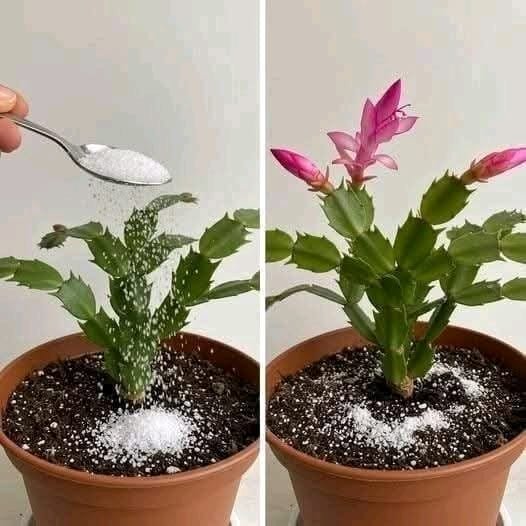
Fall Awakening: Breathing Life into House Flowers with a Little Secret
As summer fades and cooler days arrive, many houseplants begin to look tired. Leaves may yellow, growth slows, and once-vibrant flowers seem to lose their spark. While fall is often seen as a time of rest for plants, it can also be a powerful season of renewal—if you know how to support them properly.
Fall awakening is about helping house flowers adjust to changing light, temperature, and humidity. With a few thoughtful changes and one simple secret, you can breathe new life into your indoor plants and keep them healthy, lush, and thriving throughout the colder months.
Why House Flowers Struggle in Fall
Houseplants are sensitive to seasonal shifts, even when kept indoors. As fall arrives, several changes affect their growth:
-
Shorter daylight hours reduce photosynthesis
-
Cooler temperatures slow plant metabolism
-
Dry indoor air from heating systems stresses leaves
-
Overwatering becomes more common as growth slows
These factors often lead to drooping leaves, dull color, or reduced flowering. Understanding what plants experience during fall is the first step toward reviving them.
The Fall Mindset: Support, Not Force
One of the biggest mistakes plant owners make in fall is treating house flowers the same way they did in summer. Fall is not a season for rapid growth—it’s a season for gentle support and balance.
Instead of pushing plants with excessive fertilizer or water, fall care focuses on:
-
Strengthening roots
-
Improving nutrient absorption
-
Maintaining healthy foliage
-
Preparing plants for winter rest
This shift in mindset makes a noticeable difference.
The Little Secret: Revitalizing the Soil, Not Just the Plant
The secret to breathing life back into house flowers in fall isn’t a fancy product—it’s soil refreshment.
Over time, soil becomes compacted, depleted, and less able to hold nutrients and oxygen. Even if a plant looks fine on the surface, its roots may be struggling below.
Simple Soil Revival Method
-
Gently loosen the top inch of soil with a fork or stick
-
Remove any salt buildup or crusting
-
Add a thin layer of fresh, nutrient-rich potting mix
-
Water lightly to help nutrients settle
This simple step improves airflow, drainage, and nutrient availability—often leading to visible improvement within days.
Adjusting Watering for Fall Success
Watering needs change dramatically in fall. Most house flowers require less water, not more.
Fall Watering Tips
-
Water only when the top 1–2 inches of soil are dry
-
Avoid letting plants sit in standing water
-
Use room-temperature water
-
Reduce watering frequency gradually
Overwatering in fall is one of the fastest ways to stress roots and invite disease.
Light: The Hidden Challenge of Fall
As days shorten, light becomes one of the biggest limiting factors for house flowers.
How to Improve Light Exposure
-
Move plants closer to windows
-
Clean windows to maximize light penetration
-
Rotate plants weekly for even growth
-
Consider grow lights for flowering plants
Even a small increase in light can dramatically improve leaf color and flower production.
Gentle Feeding: Less Is More
Many plants slow their nutrient needs in fall, but that doesn’t mean they need none at all.
Smart Feeding Strategy
-
Use a diluted, balanced houseplant fertilizer
-
Feed once every 4–6 weeks
-
Avoid high-nitrogen formulas that encourage weak growth
Feeding lightly helps maintain plant strength without overstimulation.
Humidity: A Silent Game-Changer
Indoor heating dries the air quickly, and low humidity is a major reason house flowers decline in fall.
Easy Ways to Boost Humidity
-
Group plants together
-
Place a shallow tray of water near plants
-
Use a humidifier in plant-heavy rooms
-
Lightly mist foliage (for humidity-loving plants only)
Healthier humidity levels often result in glossier leaves and stronger blooms.
Pruning for Renewal
Fall is an excellent time for light pruning. Removing dead or yellowing leaves allows the plant to redirect energy toward healthy growth.
Pruning Tips
-
Use clean, sharp scissors
-
Remove only damaged or dying parts
-
Avoid heavy pruning unless necessary
This small act can dramatically improve plant appearance and health.
Signs Your House Flowers Are Reviving
When fall care is done correctly, plants respond quickly. Look for:
-
Firmer stems
-
Brighter leaf color
-
New leaf or bud development
-
Improved posture and structure
These signs mean your plants are adjusting well and storing energy for winter.
Plants That Especially Benefit from Fall Awakening Care
-
African violets
-
Orchids
-
Peace lilies
-
Begonias
-
Geraniums
-
Anthuriums
These flowering plants often show noticeable improvement with fall soil refreshment and light adjustments.
Preparing for Winter Without Stress
Fall is the bridge between growth and rest. When house flowers are supported gently now, they are far more resilient in winter.
Focus on:
-
Stable temperatures
-
Consistent care routines
-
Avoiding sudden changes
Plants thrive on predictability—especially during seasonal transitions.
Final Thoughts
Fall awakening isn’t about forcing house flowers to bloom—it’s about breathing life back into them through thoughtful care. By adjusting watering, improving light, boosting humidity, and using the little secret of soil refreshment, you help plants regain strength and vitality.
House flowers don’t stop living in fall—they simply change pace. When you support that natural rhythm, your plants reward you with healthier leaves, stronger roots, and a quiet beauty that lasts all season long.