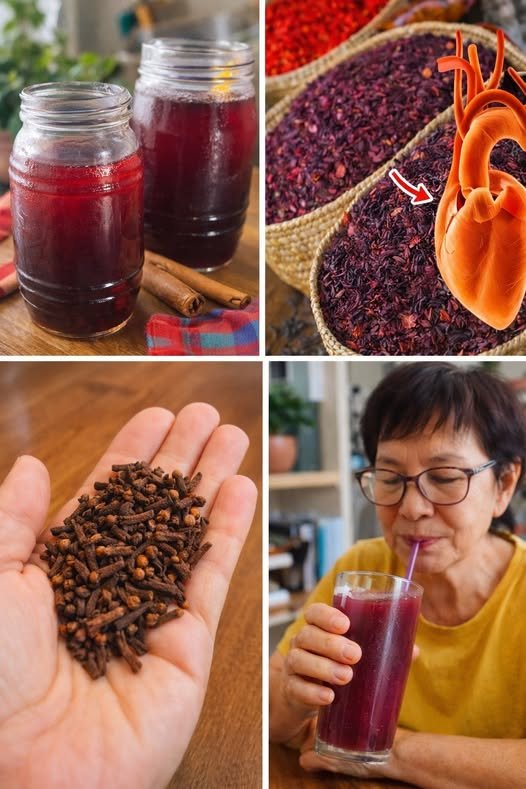
Discover Simple Ways to Add Cloves and Hibiscus Tea to Your Daily Wellness Habits for Natural Support
In the search for simple, natural ways to support everyday wellness, many people are rediscovering time-honored ingredients that have been used across cultures for generations. Two such ingredients—cloves and hibiscus tea—stand out for their versatility, rich history, and gentle support of overall well-being.
Rather than relying on complex routines or expensive supplements, incorporating cloves and hibiscus tea into daily habits can be an easy and enjoyable way to support balance, hydration, and vitality. These natural ingredients are not cures or treatments, but they can complement a healthy lifestyle when used thoughtfully.
A Brief Look at Cloves and Hibiscus
Cloves
Cloves are the dried flower buds of the Syzygium aromaticum tree and are widely used as a spice in cooking. Beyond their warm, aromatic flavor, cloves have been valued in traditional practices for centuries, particularly in Asian, African, and Middle Eastern cultures.
Cloves are naturally rich in plant compounds, including antioxidants, and have traditionally been used to support digestion, oral hygiene, and overall comfort.
Hibiscus Tea
Hibiscus tea is made from the dried petals of the Hibiscus sabdariffa plant. Known for its deep red color and tart, cranberry-like flavor, hibiscus tea is enjoyed both hot and cold around the world.
Traditionally, hibiscus tea has been used as a refreshing beverage to support hydration, circulation, and general wellness.
Why Daily Habits Matter More Than Occasional Remedies
Wellness is not built overnight. It develops through consistent daily habits that support the body gently over time. Adding cloves and hibiscus tea to your routine is not about dramatic results, but about small, sustainable practices that fit easily into everyday life.
By choosing natural ingredients with long histories of traditional use, you can support your body without overwhelming it.
Simple Ways to Use Cloves Daily
1. Clove-Infused Water
Add 1–2 whole cloves to a cup of warm water and let it steep for 5–10 minutes. This mild infusion can be enjoyed in the morning or after meals as part of a digestive-friendly routine.
2. Cooking With Cloves
Cloves can be added to soups, stews, rice dishes, and baked goods. A small amount goes a long way and adds depth of flavor while introducing beneficial plant compounds into your meals.
3. Clove Tea (Occasional Use)
A gentle clove tea can be prepared by simmering a few cloves in water for several minutes. Because cloves are potent, this is best enjoyed in moderation rather than daily in large amounts.
4. Oral Care Traditions
Cloves have long been used in traditional oral care. Some people chew a clove briefly or use clove-infused rinses as part of their hygiene practices, although this should be done carefully to avoid irritation.
Simple Ways to Enjoy Hibiscus Tea
1. Daily Hydration Boost
Hibiscus tea can be enjoyed hot or cold and makes a refreshing alternative to sugary drinks. Drinking 1–2 cups per day can help support hydration while offering a naturally tangy flavor.
2. Morning or Afternoon Ritual
Replace one cup of coffee or sweetened beverages with hibiscus tea as a calming, caffeine-free option. This can support a balanced energy routine without overstimulation.
3. Cold Brew Hibiscus Tea
Steep dried hibiscus petals in cold water for several hours to create a refreshing iced tea. Add a slice of lemon or a touch of honey if desired.
4. Blended Herbal Teas
Hibiscus pairs well with ingredients like ginger, mint, cinnamon, or rose hips. These blends can enhance flavor while adding variety to your wellness habits.
Potential Wellness Support From Cloves and Hibiscus
While individual experiences vary, traditional use and modern interest suggest these ingredients may support:
-
Antioxidant intake
-
Digestive comfort
-
Hydration
-
Circulatory wellness
-
Overall balance and vitality
It’s important to remember that these benefits are supportive, not therapeutic. Cloves and hibiscus tea work best as part of a lifestyle that includes nutritious food, physical activity, stress management, and adequate sleep.
Tips for Safe and Responsible Use
-
Use moderation, especially with cloves, which are highly concentrated
-
Choose high-quality, food-grade ingredients
-
Avoid excessive sweeteners when preparing teas
-
If pregnant, breastfeeding, or managing a medical condition, consult a healthcare professional before regular use
-
Do not replace prescribed treatments with herbal practices
Natural wellness is about support, not substitution.
Making Wellness Enjoyable and Sustainable
One of the greatest advantages of cloves and hibiscus tea is how easily they fit into daily life. They don’t require drastic changes or rigid routines—just small, intentional choices repeated consistently.
Wellness habits are most effective when they are:
-
Simple
-
Enjoyable
-
Affordable
-
Sustainable
By incorporating these ingredients into meals, drinks, and daily rituals, you create a routine that supports long-term well-being rather than quick fixes.
Final Thoughts
Discovering simple ways to add cloves and hibiscus tea to your daily wellness habits is about reconnecting with natural traditions that emphasize balance and consistency. These ingredients have been appreciated for generations not because they promise miracles, but because they support the body gently over time.
When used mindfully, cloves and hibiscus tea can become enjoyable additions to a holistic wellness routine—supporting hydration, nourishment, and daily self-care in a natural, accessible way.