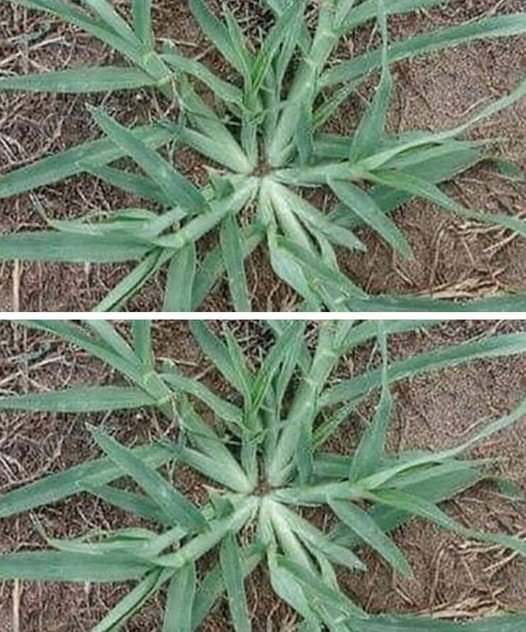
Never Uproot This Plant If It Appears in Your Garden
Many gardeners spend hours removing plants they believe are weeds, trying to keep their gardens neat and tidy. However, some of these so-called “weeds” are actually incredibly beneficial plants with surprising health, ecological, and gardening advantages. One such plant often appears uninvited in lawns, flower beds, and vegetable gardens, and many people mistakenly remove it without realizing its value.
This plant is purslane, a humble but powerful green that deserves a place in your garden rather than in the compost pile. Known scientifically as Portulaca oleracea, purslane is considered one of the most nutritious wild plants in the world. It grows easily in warm climates, often appearing between paving stones, in garden beds, and along walkways.
Instead of pulling it out, you may want to let it grow—or even cultivate it intentionally.
What Is Purslane?
Purslane is a low-growing succulent plant with smooth reddish stems and small, fleshy green leaves. It spreads close to the ground and produces tiny yellow flowers during the summer.
Although many gardeners see it as a nuisance, purslane has been used for centuries in cooking and traditional medicine across various cultures. In many Mediterranean, Middle Eastern, and Asian cuisines, it is valued as a flavorful leafy vegetable.
Why You Should Never Uproot It
1. One of the Most Nutritious Plants You Can Find
Purslane is incredibly rich in nutrients. In fact, it contains more omega-3 fatty acids than most leafy greens, making it unique among garden plants.
Its nutritional benefits include:
-
Omega-3 fatty acids
-
Vitamin A
-
Vitamin C
-
Vitamin E
-
Magnesium
-
Potassium
-
Iron
-
Antioxidants
Because of this nutrient profile, purslane is often considered a “superfood” by nutrition enthusiasts.
2. A Natural Source of Omega-3 Fatty Acids
Omega-3 fatty acids are commonly associated with fish and seafood, but purslane is one of the rare plants that naturally contains them.
These fatty acids support:
-
Heart health
-
Brain function
-
Reduced inflammation
-
Healthy cholesterol levels
Adding fresh purslane to salads or smoothies can be a simple way to boost your omega-3 intake.
3. It Helps Improve Soil Health
Purslane’s deep roots can help break up compact soil and improve its structure. As it spreads across the ground, it also helps protect the soil from erosion and excessive drying.
This means it can actually benefit your garden rather than harm it.
Many gardeners now practice “companion planting”, allowing certain beneficial plants to grow naturally alongside vegetables.
4. It Attracts Pollinators
When purslane blooms, its tiny yellow flowers attract bees and other pollinating insects. Pollinators are essential for fruit and vegetable production, helping plants reproduce and produce crops.
Keeping plants that support pollinators can significantly improve the productivity of your garden.
5. It’s Completely Edible
Purslane has a slightly tangy, lemony flavor and a crisp texture. It can be eaten raw or cooked and works beautifully in many dishes.
Popular ways to enjoy purslane include:
-
Fresh garden salads
-
Stir-fries
-
Soups
-
Omelets
-
Smoothies
-
Sandwich toppings
Its juicy leaves add both flavor and nutrition.
How to Identify Purslane
If you want to be sure you have purslane in your garden, look for these characteristics:
-
Thick, smooth reddish stems
-
Small, oval-shaped green leaves
-
Leaves that feel slightly succulent
-
Low-growing, spreading habit
-
Small yellow flowers that open in sunlight
Because it thrives in warm, sunny environments, it commonly appears during the summer months.
A Word of Caution
Although purslane is edible, it can sometimes be confused with a similar plant called spurge, which is not edible.
Spurge typically has:
-
Thinner stems
-
Milky sap when broken
-
Smaller leaves
Purslane, by contrast, has no milky sap and thicker, succulent stems.
Always confirm plant identification before consuming wild plants.
How to Harvest Purslane
If purslane is growing in your garden, harvesting it is simple.
-
Use scissors or garden shears.
-
Cut the stems above the base of the plant.
-
Rinse thoroughly before eating.
Purslane grows quickly, so harvesting encourages fresh new growth.
Growing Purslane Intentionally
Because it is so hardy, purslane is one of the easiest plants to grow.
It thrives in:
-
Sunny locations
-
Poor or sandy soil
-
Dry conditions
-
Warm temperatures
Once established, it requires almost no maintenance.
Final Thoughts
The next time you notice this small plant spreading across your garden, think twice before pulling it out. What many people dismiss as a weed is actually a nutrient-packed edible plant with impressive environmental benefits.
Purslane is proof that nature often provides valuable resources right under our feet. By learning to recognize and appreciate these plants, gardeners can create healthier gardens while discovering new, nutritious ingredients for their kitchens.