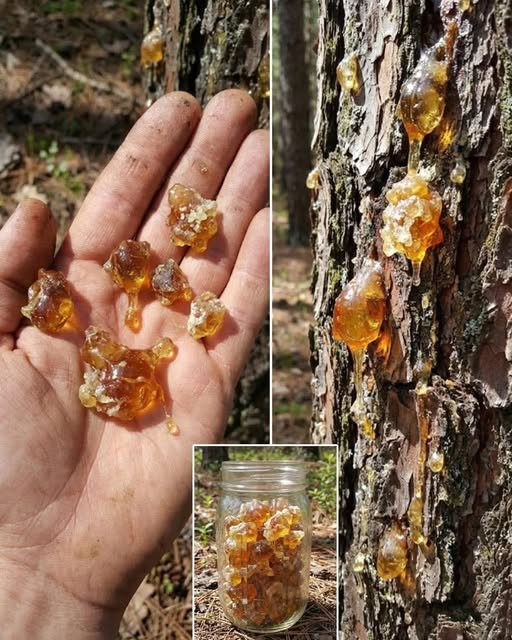
Benefits and Traditional Uses
For thousands of years, humans have turned to nature for healing, nourishment, and balance. Long before modern pharmaceuticals, traditional cultures relied on plants, roots, fruits, and leaves to support health and treat common ailments. These practices—passed down through generations—form the foundation of what we now call traditional or herbal medicine.
Understanding the benefits and traditional uses of natural remedies helps bridge ancient wisdom with modern wellness. While science continues to study these plants, many remain widely used today for their supportive properties and cultural significance.
A Foundation Rooted in History
Traditional uses of plants date back to ancient civilizations such as those in China, India, Egypt, Greece, and Indigenous cultures worldwide. These societies observed how plants affected the body and developed systems of healing based on experience, environment, and careful documentation.
Herbal traditions such as Ayurveda, Traditional Chinese Medicine (TCM), Unani, and folk medicine emphasized balance—supporting the body’s natural ability to maintain health rather than simply treating symptoms. Plants were chosen not only for physical benefits but also for their energetic and restorative qualities.
Common Benefits Associated With Traditional Remedies
Although each plant has unique properties, many traditional remedies are valued for similar foundational benefits:
1. Supporting Overall Vitality
Many herbs and plant-based preparations were used as tonics—taken regularly to support strength, stamina, and resilience. These were often consumed seasonally or during periods of physical or mental stress.
2. Promoting Digestive Health
Digestion has always been central to traditional healing systems. Plants were commonly used to stimulate appetite, ease discomfort, reduce bloating, and support nutrient absorption.
3. Encouraging Balance and Adaptation
Rather than targeting one symptom, traditional remedies often focused on restoring balance within the body. This holistic approach recognized the connection between digestion, energy, mood, and physical health.
4. Supporting Immune and Defensive Functions
Certain plants were traditionally used to help the body respond to environmental challenges, seasonal changes, and physical stressors.
5. Providing Antioxidant and Protective Support
Although ancient cultures didn’t use the term “antioxidants,” many traditional remedies are now known to contain compounds that help protect cells from oxidative stress.
Traditional Uses Across Cultures
Ayurveda (India)
In Ayurvedic medicine, plants are classified by their effects on the body’s energy systems (doshas). Herbs are selected to bring harmony and are often combined into complex formulations tailored to the individual.
Traditional Chinese Medicine (TCM)
TCM views health as a balance of yin and yang and the smooth flow of energy (qi). Plants are rarely used alone and are instead combined into formulas designed to support specific organs and energy pathways.
European Folk Medicine
European traditions relied heavily on locally available plants, often used as teas, poultices, or tinctures. These remedies were closely tied to seasonal cycles and agricultural life.
Indigenous and Tribal Medicine
Indigenous knowledge systems are deeply rooted in respect for nature. Plants were used ceremonially as well as medicinally, with careful attention to sustainability and spiritual significance.
Preparation Methods in Traditional Use
Traditional remedies were prepared in various ways depending on the plant and intended purpose:
-
Teas and infusions for gentle, daily support
-
Decoctions made by simmering tougher plant parts like roots or bark
-
Powders mixed with water, honey, or food
-
Tinctures and extracts for concentrated use
-
Poultices and compresses for external application
These methods allowed active compounds to be released in ways suited to different needs.
Why Traditional Knowledge Still Matters Today
Modern science increasingly validates what traditional healers observed centuries ago. Many pharmaceutical drugs are derived from plant compounds first identified through traditional use.
Traditional knowledge also emphasizes:
-
Prevention over intervention
-
Daily habits over short-term fixes
-
Balance rather than extremes
These principles align closely with modern wellness and lifestyle medicine.
Safety and Responsible Use
While traditional remedies offer many benefits, responsible use is essential. Natural does not automatically mean safe for everyone.
Important considerations include:
-
Individual health conditions
-
Medication interactions
-
Proper identification and sourcing
-
Appropriate dosage and preparation
Traditional remedies are best used as supportive tools, not replacements for professional medical care.
Integrating Tradition With Modern Life
Today, many people incorporate traditional remedies into their routines through:
-
Herbal teas
-
Dietary supplements
-
Culinary herbs and spices
-
Wellness rituals and seasonal practices
When combined with balanced nutrition, movement, rest, and medical guidance, these practices can support long-term well-being.
Final Thoughts
The benefits and traditional uses of natural remedies reflect centuries of observation, cultural wisdom, and respect for the body’s natural balance. While modern research continues to explore how and why these plants work, their enduring presence across cultures speaks to their value.
By honoring traditional knowledge and applying it thoughtfully in modern life, we gain access to time-tested tools that support wellness in a natural, holistic way. The true power of traditional remedies lies not in bold claims, but in consistent, mindful use rooted in understanding and respect.