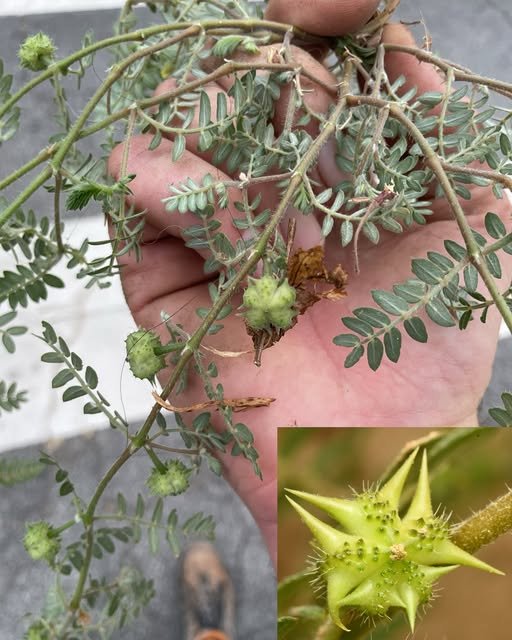
The Hidden Power of Puncture Vine Fruit (Tribulus terrestris)
For centuries, traditional healing systems around the world have relied on plants not just for nourishment, but for balance, vitality, and resilience. One such plant—often overlooked because of its rough appearance—is Puncture Vine, scientifically known as Tribulus terrestris. While the plant itself is hardy and unassuming, its fruit has long been valued in traditional wellness practices for its unique properties and wide range of uses.
Today, renewed interest in natural and plant-based wellness has brought Tribulus terrestris back into the spotlight. Understanding the hidden power of puncture vine fruit begins with exploring its history, composition, and role in traditional and modern health practices.
What Is Puncture Vine Fruit?
Tribulus terrestris is a low-growing plant that thrives in dry, harsh environments across parts of Asia, Europe, Africa, and the Mediterranean. It produces small yellow flowers and distinctive spiny fruits. These fruits—often called puncture vine fruit—are the most commonly used part of the plant in traditional preparations.
The name “puncture vine” comes from the sharp, thorn-like fruit, which can puncture tires, shoes, and animal hooves. Despite this tough exterior, the fruit has been carefully harvested and used in herbal traditions for thousands of years.
A Long History in Traditional Medicine
Tribulus terrestris has a long-standing reputation in Ayurveda, Traditional Chinese Medicine (TCM), and various folk medicine systems.
Historically, puncture vine fruit has been used to:
-
Support general vitality and energy
-
Promote balance in the body
-
Maintain urinary and kidney wellness
-
Support reproductive health
-
Encourage physical endurance
Ancient herbal texts describe the fruit as a tonic—something used regularly to help the body adapt to physical stress and maintain internal harmony.
Key Natural Compounds in Tribulus Fruit
Modern analysis has helped explain why puncture vine fruit has remained valued across cultures. The fruit contains a range of naturally occurring plant compounds, including:
-
Saponins – plant-based compounds commonly studied for their role in cellular signaling and balance
-
Flavonoids – antioxidants that help protect cells from oxidative stress
-
Alkaloids and glycosides – compounds involved in the plant’s protective and adaptive properties
These constituents work together rather than in isolation, which is why Tribulus is often described as a “whole-plant” remedy in traditional systems.
The Role of Antioxidant Support
One of the most widely discussed aspects of puncture vine fruit is its antioxidant content. Antioxidants help neutralize free radicals—unstable molecules that can damage cells over time due to stress, environmental exposure, or aging.
By supporting the body’s natural defense systems, antioxidant-rich plants like Tribulus terrestris may contribute to overall wellness and long-term resilience when included as part of a healthy lifestyle.
Modern Interest and Research
In recent decades, Tribulus terrestris has gained popularity worldwide, particularly in the areas of:
-
Natural vitality support
-
Active lifestyle and fitness communities
-
Men’s and women’s wellness supplements
Scientific research is ongoing, and while findings vary, modern interest reflects what traditional cultures have long believed: that puncture vine fruit supports the body’s natural balance rather than targeting a single system.
It’s important to note that traditional use does not equal medical treatment. Tribulus terrestris is best understood as a supportive botanical, not a cure or replacement for medical care.
How Puncture Vine Fruit Is Commonly Used
Today, puncture vine fruit is available in several forms:
-
Capsules or tablets – standardized and convenient
-
Powdered fruit – used in teas or blended into drinks
-
Liquid extracts or tinctures – concentrated forms
-
Traditional decoctions – slow-simmered teas used in cultural practices
The method of use often depends on tradition, personal preference, and guidance from qualified practitioners.
Quality and Sourcing Matter
Not all Tribulus products are the same. The potency and composition of puncture vine fruit can vary based on:
-
Geographic origin
-
Harvesting methods
-
Processing techniques
-
Standardization of active compounds
High-quality products typically identify the plant part used (fruit), sourcing location, and testing for purity. Choosing reputable brands is essential for safety and effectiveness.
Safety and Responsible Use
Puncture vine fruit is generally well tolerated when used appropriately, but responsible use is important.
Key considerations include:
-
Avoid excessive doses
-
Consult a healthcare professional if pregnant, breastfeeding, or managing a medical condition
-
Do not use as a substitute for prescribed treatment
-
Be cautious of exaggerated claims
Natural does not automatically mean risk-free, and informed use is always best.
Why Ancient Plants Still Matter Today
The renewed interest in puncture vine fruit reflects a broader shift toward preventive wellness and holistic health. Ancient plants like Tribulus terrestris remind us that health is not only about treating illness, but about maintaining balance, strength, and adaptability over time.
Used thoughtfully, puncture vine fruit represents a connection between ancient wisdom and modern lifestyle needs—offering a natural option for those seeking plant-based support as part of a healthy routine.
Final Thoughts
The hidden power of puncture vine fruit lies not in bold promises, but in its long history of traditional use and its role as a supportive botanical. Tribulus terrestris has earned its place in herbal medicine through centuries of application across diverse cultures.
As interest in natural wellness continues to grow, puncture vine fruit stands as a reminder that some of the most resilient plants—those that thrive in the harshest conditions—often hold the greatest lessons for balance and vitality.