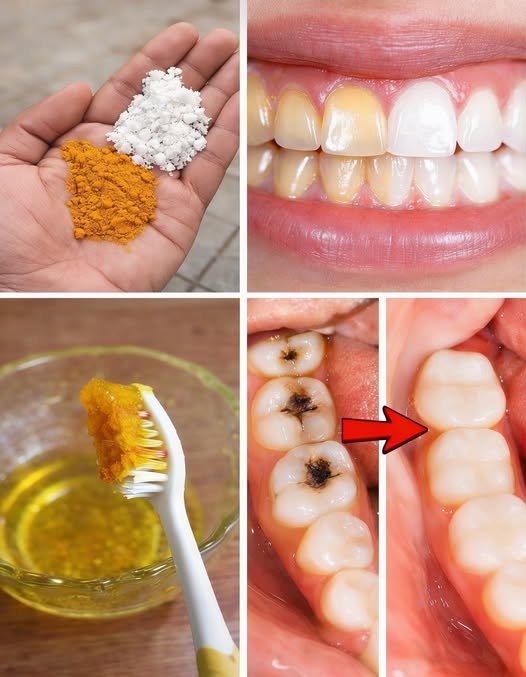
Turmeric for Teeth Whitening: Does This Natural Spice Actually Brighten Your Smile?
Scroll through social media and you’ll quickly see bold claims about brushing with turmeric for a whiter smile. It sounds almost unbelievable — after all, turmeric is a deep golden-yellow spice known for staining everything from countertops to clothing.
So how could something that stains so easily possibly make teeth look whiter?
Let’s break down what turmeric actually does, what science says, and whether this natural trend is worth trying.
What Is Turmeric?
Curcuma longa is a flowering plant in the ginger family. Its root is dried and ground into the bright yellow powder commonly used in curries and traditional remedies. Turmeric contains an active compound called curcumin, which has been studied for its anti-inflammatory and antimicrobial properties.
For centuries, turmeric has been used in Ayurvedic practices in countries like India for overall oral and body health.
But whitening teeth? That’s a more recent claim.
Why People Believe Turmeric Whitens Teeth
There are three main reasons turmeric is believed to help brighten teeth:
1. It May Help Remove Surface Stains
Turmeric has mild abrasive properties. When brushed onto teeth, it can help remove surface stains caused by:
-
Coffee
-
Tea
-
Red wine
-
Smoking
This doesn’t change the internal color of teeth, but it may improve surface brightness.
2. It Has Antibacterial Properties
Curcumin may help reduce oral bacteria. A cleaner mouth can reduce plaque buildup, which in turn may help teeth appear brighter over time.
Less plaque = less yellowish film.
3. It Reduces Gum Inflammation
Healthier gums can make teeth appear whiter by improving overall oral appearance. Some small studies suggest turmeric may help with mild gingivitis due to its anti-inflammatory properties.
Does Science Support It?
Here’s the honest answer: there is limited scientific evidence specifically proving turmeric whitens teeth.
Most dental whitening occurs through:
-
Hydrogen peroxide
-
Carbamide peroxide
-
Professional bleaching treatments
There is no strong clinical evidence that turmeric can bleach enamel the way professional whitening products can.
However, some small studies suggest turmeric mouth rinses may improve oral hygiene and reduce plaque. That indirect improvement may make teeth look cleaner — and slightly brighter.
How People Use Turmeric for Teeth
If someone wants to try it, here’s the common method:
Basic Turmeric Brushing Method
-
Mix ½ teaspoon turmeric powder with a few drops of water or coconut oil
-
Brush gently for 1–2 minutes
-
Rinse thoroughly
-
Follow with regular toothpaste
Important: use an old toothbrush, as turmeric can stain bristles.
Will It Stain Teeth?
Ironically, turmeric rarely stains enamel permanently. Teeth are smoother and less porous than fabrics or countertops.
However:
-
It can temporarily stain gums
-
It may leave residue if not rinsed well
-
Poor-quality enamel may absorb pigment
Proper rinsing is essential.
Possible Benefits Beyond Whitening
Even if whitening results are subtle, turmeric may provide other oral health benefits:
-
May reduce gum inflammation
-
May help with minor mouth irritation
-
Contains antioxidant properties
But these effects are mild and should not replace proper dental care.
Potential Risks
Turmeric is generally safe in small amounts, but consider:
-
It can stain sinks and clothing
-
Over-brushing may damage enamel
-
It is not a substitute for professional whitening
If you have sensitive teeth, gum disease, or dental restorations (crowns, veneers), consult a dentist before trying DIY methods.
How It Compares to Professional Whitening
Professional whitening treatments:
-
Penetrate enamel
-
Break apart deep stains
-
Provide noticeable shade changes
Turmeric, at best, may help remove minor surface buildup.
If you’re looking for dramatic whitening, professional options will be more effective.
Who Might Benefit From Trying It?
Turmeric might be worth exploring if:
-
You prefer natural remedies
-
You want to reduce mild surface staining
-
You’re focused on improving oral hygiene naturally
It’s not likely to dramatically whiten teeth several shades.
A Balanced Perspective
Turmeric is not a miracle whitening solution. It does not chemically bleach enamel. However, its mild cleansing properties and anti-inflammatory effects may support overall oral health — which can improve the appearance of your smile over time.
The “brightening” people notice is often due to:
-
Plaque removal
-
Reduced surface buildup
-
Healthier gums
That can make teeth appear cleaner, even if the actual enamel shade hasn’t changed significantly.
Final Thoughts
Turmeric for teeth whitening is more of a gentle natural polish than a true whitening treatment.
If you’re curious and want a low-cost experiment, it’s generally safe when used occasionally and gently. Just don’t expect dramatic, instant results.
For noticeable whitening, professional dental treatments remain the most reliable option.