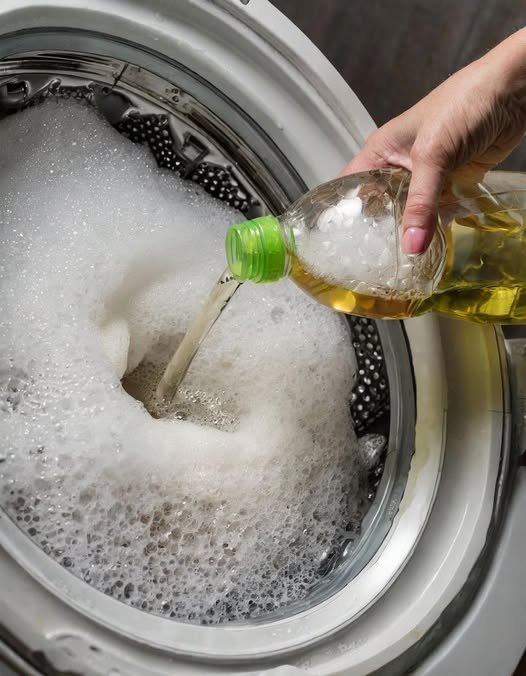
Vinegar: The Secret to Whiter Whites and Softer Towels – And How to Use It Correctly
If you’ve ever wished your white clothes were whiter and your towels softer, you’re not alone. Many people reach for commercial fabric softeners and bleach, but the truth is: vinegar is a natural, affordable, and highly effective solution. The catch? Most people use it incorrectly, which limits its benefits. Here’s the right way to harness vinegar for laundry perfection.
Why Vinegar Works
Vinegar contains acetic acid, which gives it natural cleaning, deodorizing, and fabric-softening properties. Here’s what it does:
-
Removes detergent buildup: Over time, soap residue can make fabrics stiff and dingy. Vinegar breaks down these deposits.
-
Brightens whites: Acetic acid gently lifts stains and prevents yellowing.
-
Softens fabrics: Vinegar relaxes fibers, leaving towels and clothes fluffier.
-
Neutralizes odors: It eliminates musty or chemical smells from laundry.
Unlike bleach or commercial softeners, vinegar is eco-friendly, non-toxic, and safe for most fabrics.
Common Mistakes People Make
-
Pouring it directly on clothes – Can leave streaks or odor.
-
Using too much – A little goes a long way; excessive vinegar can weaken fibers.
-
Mixing with bleach – Dangerous! Creates toxic chlorine gas.
-
Skipping rinse cycle – Vinegar works best when allowed to rinse out.
-
Using only hot water – Hot water alone doesn’t maximize vinegar’s cleaning potential.
The Right Way to Use Vinegar in Laundry
1. For Softer Towels
-
Add ½–1 cup of distilled white vinegar to the fabric softener compartment of your washing machine.
-
Wash towels in warm water.
-
Skip the fabric softener.
-
Dry towels as usual — they will come out fluffy and absorbent.
Tip: Vinegar helps prevent towels from becoming scratchy due to detergent buildup.
2. For Whiter Whites
-
Add ½ cup vinegar directly to the wash along with your regular detergent.
-
Wash whites in hot water (check care labels first).
-
Optional: For extra brightening, soak heavily soiled whites in 1 cup vinegar + warm water for 30 minutes before washing.
Vinegar lifts dingy buildup and restores a brighter appearance without harsh chemicals.
3. For Odor Removal
-
Musty gym clothes or towels?
-
Add ½ cup vinegar to the rinse cycle.
-
This neutralizes odors naturally.
4. For General Laundry Cleaning
-
Run a monthly “vinegar wash” with an empty machine and 1–2 cups vinegar on hot.
-
This cleans your washer drum and prevents buildup that transfers to clothes.
Extra Tips
-
Use distilled white vinegar — it’s colorless and won’t stain clothes.
-
Don’t overuse; ½–1 cup per load is enough.
-
Combine with baking soda for heavily soiled or smelly laundry:
1 cup baking soda in the wash + ½ cup vinegar in rinse. -
Avoid vinegar on silk, acetate, or rubber-backed rugs.
Why Vinegar Beats Fabric Softeners
| Fabric Softener | Vinegar |
|---|---|
| Adds synthetic chemicals | Natural, non-toxic |
| Coats fibers, reducing absorbency | Softens fibers without coating |
| Can leave residue | Removes detergent buildup |
| Strong fragrances | Neutral odor |
In other words, vinegar is better for your clothes, towels, and the environment.
Bottom Line
Vinegar isn’t just a kitchen staple — it’s a laundry powerhouse. Used correctly, it:
-
Whitens whites naturally
-
Softens towels and clothes
-
Removes odors and buildup
-
Protects fibers longer
Remember: The key is proper usage — don’t pour it directly on fabrics, avoid mixing with bleach, and stick to recommended amounts.
Your laundry can be brighter, fresher, and softer — without harsh chemicals or expensive products — all thanks to vinegar.