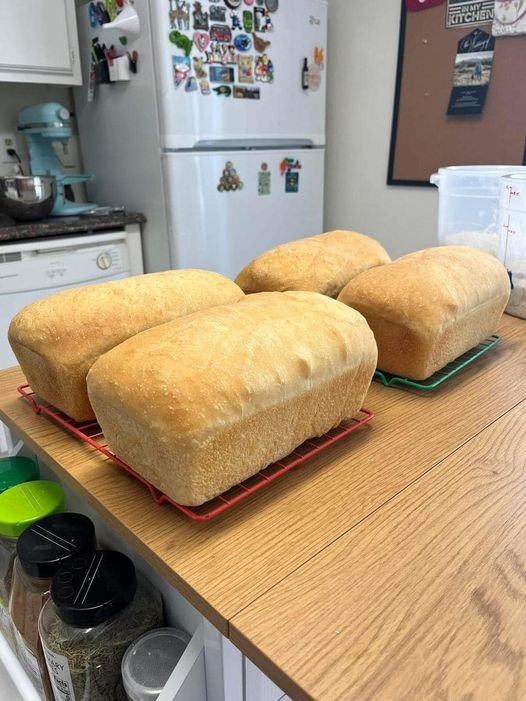
Gluten-Free Bread: A Delicious, Nourishing Alternative for Every Lifestyle
Gluten-free bread has come a long way from being dense, crumbly, and bland. Today, it’s a flavorful, versatile option enjoyed not only by people with gluten intolerance or celiac disease, but also by those seeking variety in their diet. With the right ingredients and techniques, gluten-free bread can be soft, satisfying, and just as enjoyable as traditional wheat-based loaves.
Understanding what makes gluten-free bread different—and how to choose or make a great one—can help you enjoy it with confidence and pleasure.
What Is Gluten-Free Bread?
Gluten-free bread is made without wheat, barley, rye, or any ingredients containing gluten. Gluten is a protein that gives traditional bread its structure and elasticity. Without it, gluten-free bread relies on alternative flours and binders to create a loaf that holds together and rises properly.
Common gluten-free flours include:
-
Rice flour
-
Almond flour
-
Sorghum flour
-
Buckwheat flour
-
Tapioca or potato starch
Because each flour behaves differently, gluten-free bread often uses blends rather than a single flour.
Who Benefits from Gluten-Free Bread?
Gluten-free bread is essential for some and optional for others:
-
People with celiac disease, who must avoid gluten completely
-
Those with gluten sensitivity, who experience discomfort after consuming gluten
-
People with wheat allergies
-
Anyone exploring dietary variety
For these individuals, gluten-free bread provides a safe and satisfying alternative to traditional loaves.
Why Gluten-Free Bread Is Different
Without gluten, bread behaves differently in several ways:
Texture
Gluten-free bread tends to be:
-
Softer and more delicate
-
Less stretchy
-
More cake-like if not balanced properly
Structure
To replace gluten’s binding ability, recipes use:
-
Psyllium husk
-
Xanthan gum or guar gum
-
Eggs or flaxseed
These ingredients help trap air bubbles and give the bread shape.
Flavor
Gluten-free flours each have distinct flavors. When blended well, they create bread that tastes neutral, nutty, or lightly sweet—depending on the recipe.
Key Ingredients in Good Gluten-Free Bread
A successful gluten-free loaf usually includes:
-
Flour blend: For balance of structure and softness
-
Starch: Adds lightness and improves crumb
-
Binder: Helps hold the loaf together
-
Yeast or baking powder: For rise
-
Liquid: Water, milk, or plant-based alternatives
-
Fat: Oil or butter for moisture
-
Salt: Enhances flavor
The combination matters more than any single ingredient.
Homemade vs Store-Bought Gluten-Free Bread
Homemade Gluten-Free Bread
Pros:
-
Fresher taste
-
Control over ingredients
-
No preservatives
Cons:
-
Requires practice
-
Ingredients can be specific
Store-Bought Gluten-Free Bread
Pros:
-
Convenient
-
Widely available
-
Consistent texture
Cons:
-
Often more expensive
-
May contain additives
-
Can be dry or crumbly
Many people use a mix of both—store-bought for convenience and homemade for special occasions.
Tips for Better Gluten-Free Bread at Home
-
Measure accurately: Gluten-free baking is less forgiving
-
Use warm liquids to activate yeast properly
-
Don’t overbake—it dries out quickly
-
Let it cool fully before slicing
-
Use a pan—free-form loaves are harder without gluten
Patience is key. Gluten-free dough is usually more like batter than traditional dough.
Common Types of Gluten-Free Bread
Gluten-free bread comes in many styles:
-
Sandwich loaves: Soft and neutral
-
Artisan-style bread: With crusty exterior
-
Seeded bread: Adds texture and nutrition
-
Flatbreads: Easier to make and versatile
-
Sourdough-style gluten-free bread: Tangy and hearty
This variety makes it easy to find a gluten-free bread that suits your taste.
Nutritional Considerations
Not all gluten-free breads are equal nutritionally. Some are highly refined, while others are rich in fiber and nutrients.
Look for breads that include:
-
Whole-grain gluten-free flours
-
Seeds and nuts
-
Fiber sources like psyllium
Balancing taste with nutrition ensures gluten-free bread is both enjoyable and nourishing.
Storage and Freshness
Gluten-free bread tends to stale faster than wheat bread.
Best storage practices:
-
Freeze slices and toast as needed
-
Refrigeration only if recommended
-
Airtight containers to retain moisture
Freezing is often the best option for maintaining texture and flavor.
Serving Ideas for Gluten-Free Bread
Gluten-free bread works beautifully in many meals:
-
Toast with butter, honey, or jam
-
Sandwiches and paninis
-
Garlic bread or bruschetta
-
Croutons for salads
-
French toast
Light toasting often improves texture and flavor.
Common Myths About Gluten-Free Bread
-
“It’s always dry” – not when made correctly
-
“It doesn’t taste good” – modern recipes have improved dramatically
-
“Only for medical needs” – many people enjoy it by choice
With quality ingredients and proper techniques, gluten-free bread can be genuinely delicious.
Conclusion
Gluten-free bread is no longer a compromise—it’s a satisfying, versatile option that fits many lifestyles. Whether you’re avoiding gluten for medical reasons or personal preference, today’s gluten-free breads offer excellent flavor, texture, and variety.
By understanding the ingredients, choosing quality products, or learning to bake at home, you can enjoy gluten-free bread that feels just as comforting and nourishing as traditional bread. With the right approach, gluten-free bread becomes not just an alternative, but a staple worth savoring.