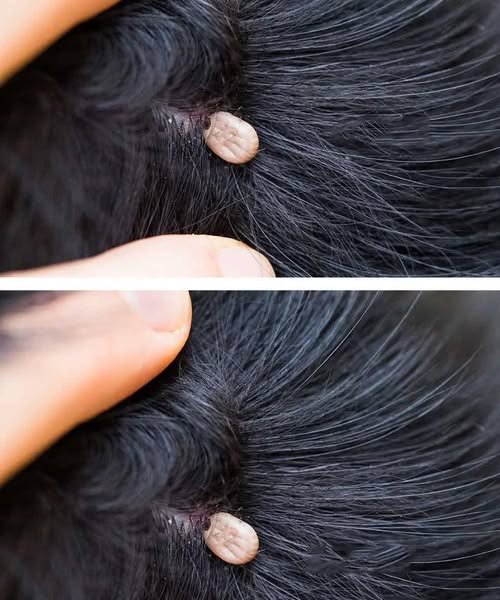
What You Should Do If You Discover Something Strange in Your Child’s Hair
Discovering something unusual in your child’s hair can be alarming. Whether it’s a small insect, sticky residue, flakes, bumps, or something unfamiliar on the scalp, it’s natural for parents to feel concerned—or even panic. The good news is that most things found in a child’s hair are common, manageable, and not dangerous.
Knowing how to respond calmly and correctly can make all the difference. This guide walks you through what to do, what to look for, and when to seek professional advice.
First: Stay Calm and Take a Closer Look
Your reaction matters. Children often take emotional cues from adults, so staying calm helps prevent fear or embarrassment.
Before jumping to conclusions:
-
Find a well-lit area
-
Use a fine-tooth comb
-
Gently separate the hair in small sections
-
Look closely at both the hair strands and the scalp
Many “strange” discoveries turn out to be harmless—such as lint, food residue, dry skin, or hair product buildup.
Common Things Parents Discover in Children’s Hair
1. Lice or Nits
One of the most common concerns is head lice.
-
Lice are tiny insects that move quickly
-
Nits (lice eggs) appear as small oval specks attached to hair strands
-
Unlike dandruff, nits don’t brush off easily
While lice can be distressing, they are not dangerous and do not reflect poor hygiene.
2. Dandruff or Dry Skin
White flakes on the scalp or hair may simply be dry skin.
-
Flakes fall off easily
-
Scalp may look dry but not inflamed
-
Often worsens in cold or dry weather
This is very common in children and usually easy to manage.
3. Product Buildup
Residue from shampoo, conditioner, styling products, or sunscreen can dry into flakes or sticky patches.
-
Often feels waxy or stiff
-
May look white, yellow, or clear
-
Improves with thorough washing
4. Dirt, Sand, or Debris
Children play—sometimes enthusiastically.
-
Grass seeds, sand, glitter, or food crumbs are frequent culprits
-
Usually visible on the surface of the hair
-
Easily removed with brushing or washing
5. Scalp Bumps or Spots
Small bumps may be:
-
Ingrown hairs
-
Mild irritation
-
Bug bites
-
Temporary skin reactions
Most are harmless, but changes over time matter.
What to Do Immediately
If you notice something unusual:
-
Do not scratch or pick at the scalp
-
Avoid harsh treatments until you know what you’re dealing with
-
Wash your hands before and after checking
-
Take a photo if needed for later comparison
Acting gently prevents irritation and helps you assess the situation clearly.
If You Suspect Head Lice
If lice or nits seem likely:
-
Check behind the ears and at the nape of the neck
-
Examine other household members
-
Avoid panic—lice are common among school-age children
Effective treatment usually includes:
-
Medicated or non-medicated lice treatments
-
Careful combing with a lice comb
-
Washing bedding and hats
A healthcare provider or pharmacist can help guide you through safe options.
If It Looks Like a Scalp or Skin Issue
For flakes, redness, or bumps:
-
Use a gentle, fragrance-free shampoo
-
Avoid tight hairstyles
-
Keep nails trimmed to prevent scratching
-
Monitor changes over several days
If the area becomes painful, spreads, or oozes, professional advice is recommended.
What NOT to Do
Avoid these common mistakes:
-
❌ Using strong chemicals without guidance
-
❌ Applying home remedies that may irritate the scalp
-
❌ Shaving the head unless advised
-
❌ Making the child feel embarrassed or “dirty”
Children are sensitive to how adults respond—reassurance matters.
Talking to Your Child About It
How you explain the situation can reduce fear and stigma.
Try language like:
-
“Lots of kids get this—it’s very common.”
-
“We’re just checking your hair to keep it healthy.”
-
“This isn’t your fault.”
Keeping the tone calm and matter-of-fact helps children feel safe and supported.
When to Seek Professional Help
Contact a healthcare provider or dermatologist if:
-
You’re unsure what you’re seeing
-
Symptoms last more than a week
-
There is pain, swelling, or discharge
-
Hair loss occurs in patches
-
Home care doesn’t help
Early advice can prevent minor issues from becoming bigger concerns.
Preventive Hair Care Tips for Children
Healthy hair habits reduce the chance of future problems:
-
Wash hair regularly with gentle shampoo
-
Avoid sharing hats, brushes, or hair accessories
-
Tie long hair back at school if lice are common
-
Rinse hair after swimming
-
Check the scalp occasionally—not obsessively
Simple routines go a long way.
A Final Reassuring Note for Parents
Finding something strange in your child’s hair can feel unsettling, but in most cases, it’s temporary, treatable, and not serious. With calm observation, gentle care, and informed action, you can address the issue without stress or shame.
Parenting includes moments like these—unexpected, slightly worrying, but manageable. Trust your instincts, seek help when needed, and remember that curiosity and calm are your best tools.