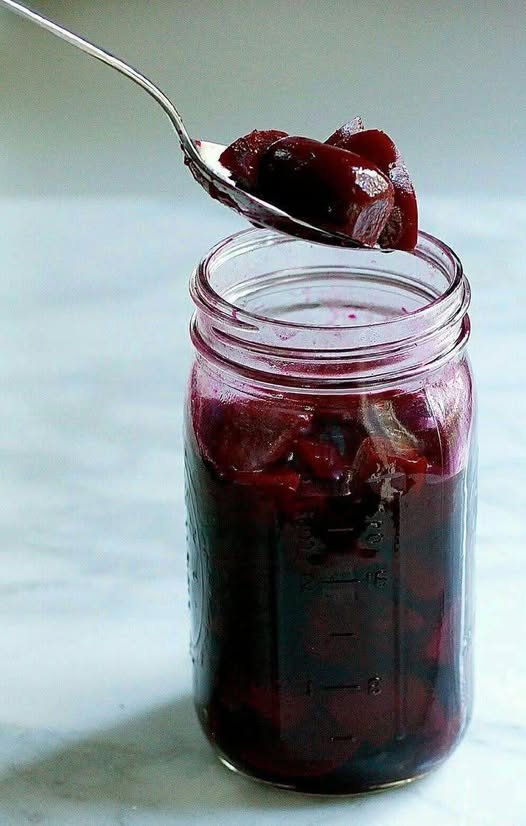
Doctors Reveal That Eating Beets Causes Surprising Health Benefits
Beets are often considered a humble root vegetable, but doctors and nutritionists are increasingly recognizing their powerful impact on overall health. From improving heart health to boosting energy, including beets in your diet can have a surprisingly wide range of benefits. Understanding how this vibrant, nutrient-rich food works can help you harness its full potential.
What Are Beets?
Beets, also known as beetroot, are a root vegetable with a deep red or purple color. They have been consumed for centuries and are prized for their natural sweetness, earthy flavor, and health-promoting compounds.
Key nutrients in beets include:
-
Vitamins: Vitamin C, folate, and vitamin B6
-
Minerals: Potassium, magnesium, and iron
-
Antioxidants: Betalains, which give beets their red color
-
Dietary fiber: Supports digestion and gut health
-
Nitrates: Naturally occurring compounds that improve blood flow
These nutrients combine to support cardiovascular, brain, and liver health, among other benefits.
Doctors Reveal the Benefits of Eating Beets
1. Improves Heart Health
One of the most widely studied benefits of beets is their ability to support cardiovascular health.
-
Nitrates in beets convert into nitric oxide in the body, which helps relax and dilate blood vessels.
-
This process can lower blood pressure, reducing strain on the heart.
-
Regular consumption may also improve blood flow and oxygen delivery, supporting overall heart function.
Several studies suggest that people who drink beet juice or eat beets regularly experience measurable improvements in blood pressure and arterial flexibility.
2. Boosts Exercise Performance
Athletes and fitness enthusiasts have long used beets as a natural performance enhancer.
-
Nitrates improve muscle efficiency and oxygen utilization.
-
Studies show that beet juice can increase stamina and reduce fatigue during high-intensity exercise.
-
Even casual exercisers may notice improved endurance when adding beets to their diet.
This makes beets a simple, natural way to enhance energy levels without supplements or caffeine.
3. Supports Liver Detoxification
The liver is essential for detoxifying the body, and beets may support its function:
-
Betalains help reduce oxidative stress in liver cells.
-
Beets may encourage bile production, which aids in digestion and detoxification.
-
Regular consumption can help maintain healthy liver enzymes and overall liver function.
While beets aren’t a magic cure, they complement a liver-friendly diet and support natural detox processes.
4. Enhances Brain Health
As we age, maintaining cognitive function becomes increasingly important. Beets can help in several ways:
-
Nitric oxide from beets improves blood flow to the brain.
-
Improved circulation supports better memory and focus.
-
Antioxidants help reduce inflammation that can damage brain cells.
Emerging research suggests that regular beet consumption may contribute to slower cognitive decline and better mental clarity.
5. Aids Digestion and Gut Health
Beets are high in dietary fiber, which is essential for a healthy digestive system:
-
Promotes regular bowel movements
-
Supports beneficial gut bacteria
-
Helps maintain gut integrity and reduced inflammation
Fiber also supports long-term weight management by keeping you full and reducing overeating.
6. Anti-Inflammatory and Antioxidant Properties
Chronic inflammation is linked to many diseases, including heart disease, diabetes, and arthritis. Beets contain:
-
Betalains, which provide anti-inflammatory effects
-
Vitamin C and manganese, which help fight oxidative stress
Regular consumption may reduce inflammation, supporting overall health and longevity.
How to Incorporate Beets Into Your Diet
There are many easy and delicious ways to enjoy beets:
-
Raw: Shredded in salads for a crunchy, sweet addition
-
Juiced: Fresh beet juice with apple or carrot is a nutrient-packed drink
-
Roasted: Brings out natural sweetness and pairs well with herbs
-
Steamed or boiled: Perfect for adding to bowls or as a side dish
-
Smoothies: Adds color, nutrients, and natural sweetness to blended drinks
Even a small daily serving can deliver noticeable health benefits over time.
Tips for Maximizing Benefits
-
Pair with vitamin C-rich foods to improve iron absorption
-
Use fresh beets whenever possible, as they retain more nutrients than canned or pickled varieties
-
Start slow if you’re new to beet consumption, as they can sometimes cause mild digestive changes
-
Drink plenty of water, especially when consuming beet juice, to help the body process natural sugars and nitrates
These simple strategies ensure you enjoy the maximum health benefits without digestive discomfort.
Are There Any Precautions?
While beets are safe for most people, there are a few considerations:
-
Oxalates: Beets contain oxalates, which may contribute to kidney stones in susceptible individuals.
-
Beeturia: Some people may notice red or pink urine after consuming beets—this is harmless.
-
Blood pressure effects: Those on blood pressure medications should monitor their intake and consult a doctor.
Overall, for most people, beets are a safe, nutrient-dense food with wide-ranging benefits.
Conclusion
Doctors and nutrition experts agree: adding beets to your diet can have a powerful impact on your health. From heart health and brain function to digestion and exercise performance, these vibrant root vegetables are more than just a pretty side dish—they’re a natural powerhouse of nutrients.
Whether roasted, juiced, or added to smoothies, eating beets regularly is an easy, natural way to improve your health. Their rich antioxidant content, fiber, and nitrates make them an excellent choice for anyone looking to enhance overall wellness safely and deliciously.
So, the next time you see those deep red roots at the market, remember: eating beets isn’t just tasty—it’s a small daily habit with big potential benefits for your body.