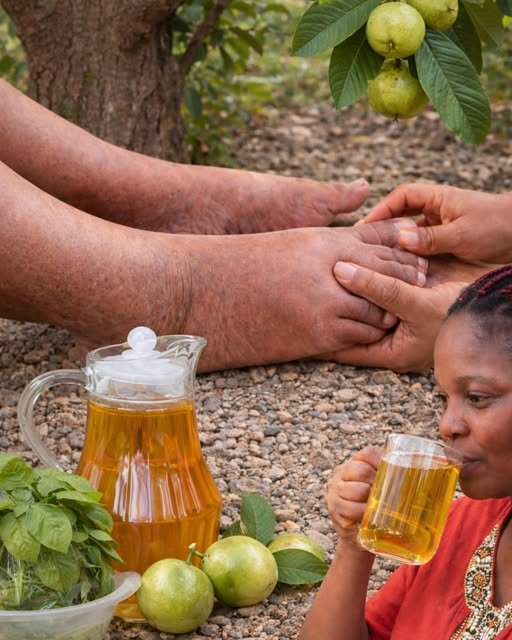
The Gentle Herbal Tea Many People Use to Support Swollen Legs, Ankles, and Feet
Swollen legs, ankles, and feet are a common concern, especially for people who spend long hours sitting or standing, travel frequently, or experience fluid retention. While swelling can sometimes signal an underlying medical issue, in many everyday cases it is linked to temporary fluid buildup, lifestyle habits, or circulation challenges.
For generations, people around the world have turned to gentle herbal teas as part of a supportive wellness routine aimed at easing discomfort and encouraging balance in the body. While no tea can cure swelling or replace medical care, certain herbs have traditionally been used to support fluid balance, circulation, and overall comfort.
Understanding Why Swelling Happens
Swelling in the lower body—often called peripheral edema—occurs when excess fluid accumulates in tissues. Common, non-emergency contributors include:
-
Prolonged sitting or standing
-
Warm weather
-
High sodium intake
-
Mild circulation sluggishness
-
Hormonal changes
-
Certain medications
In these situations, lifestyle adjustments and gentle supportive practices may help improve comfort.
However, sudden, severe, or persistent swelling should always be evaluated by a healthcare professional, especially if it’s accompanied by pain, redness, or shortness of breath.
Why Herbal Teas Are Often Used
Herbal teas have long been valued in traditional wellness systems because they are:
-
Gentle and hydrating
-
Easy to incorporate into daily routines
-
Supportive rather than aggressive
-
Naturally free of caffeine (in many cases)
Certain herbs are traditionally associated with fluid balance, lymphatic support, and circulation, which explains their popularity among people managing occasional swelling.
Common Herbs Traditionally Used for Swelling Support
Several herbs are frequently mentioned in traditional and modern wellness circles:
Dandelion Leaf
Dandelion leaf has a long history of use for supporting natural fluid balance. Unlike harsh diuretics, it is considered gentle and also provides potassium, an important mineral involved in fluid regulation.
Ginger
Ginger is traditionally used to support circulation and digestive comfort. Improved circulation may help reduce the sensation of heaviness in the legs and feet.
Parsley
Parsley tea has been used traditionally to support kidney function and fluid balance, though it should be used in moderation.
Hibiscus
Hibiscus tea is rich in antioxidants and often consumed to support cardiovascular wellness, which can play a role in circulation.
Green Tea (in moderation)
Green tea contains compounds that support metabolic and vascular health, though it contains caffeine and may not suit everyone.
These herbs are often used individually or blended together in supportive tea formulas.
How a Supportive Tea Routine May Help
When combined with healthy habits, herbal teas may help by:
-
Encouraging hydration, which helps the body regulate fluids
-
Supporting circulation and lymphatic flow
-
Reducing feelings of heaviness or tightness
-
Promoting relaxation, which can improve overall circulation
It’s important to understand that results vary, and improvements—if they occur—are usually gradual and modest.
How People Commonly Use These Teas
A typical supportive tea routine may include:
-
Drinking 1–2 cups per day
-
Enjoying tea earlier in the day to avoid nighttime bathroom trips
-
Using dried herbs or high-quality tea bags
-
Avoiding excessive sweeteners
Consistency matters more than quantity, and moderation is key.
Lifestyle Habits That Enhance Results
Herbal tea works best as part of a broader approach. People often pair tea routines with:
-
Regular movement and walking
-
Leg elevation when resting
-
Reducing excess salt intake
-
Staying well hydrated
-
Wearing comfortable, non-restrictive footwear
-
Gentle stretching or massage
These habits address the root contributors to swelling rather than masking symptoms.
What Herbal Teas Cannot Do
It’s essential to set realistic expectations. Herbal teas:
-
Do not cure medical conditions
-
Do not replace prescribed medications
-
Do not eliminate swelling caused by heart, kidney, or vascular disease
-
Do not work instantly
Their role is supportive, not curative.
Who Should Be Cautious
Some individuals should consult a healthcare professional before using herbal teas regularly, including:
-
Pregnant or breastfeeding individuals
-
People with kidney, heart, or liver conditions
-
Those taking diuretics or blood pressure medications
-
Anyone with persistent or unexplained swelling
Even natural products can interact with medications or medical conditions.
Why Gentle Approaches Matter
Modern wellness increasingly emphasizes sustainable, gentle practices rather than extreme solutions. Supporting the body’s natural balance through hydration, movement, and plant-based traditions aligns with this philosophy.
Herbal teas fit well into this approach because they are simple, accessible, and focused on long-term comfort rather than dramatic promises.
Building a Daily Comfort Ritual
For many people, drinking herbal tea becomes more than a health practice—it’s a calming ritual. Taking time to sit, hydrate, and unwind can reduce stress, which itself affects circulation and fluid balance.
When paired with mindful habits, this small daily ritual may contribute to overall leg and foot comfort over time.
Conclusion
While no tea can magically make swollen legs, ankles, and feet disappear, gentle herbal teas have long been used to support fluid balance, circulation, and everyday comfort. When combined with healthy lifestyle habits and medical guidance when needed, these teas can be a soothing addition to a balanced wellness routine.
The key lies in realistic expectations, consistency, and listening to your body. True comfort comes from supporting the whole system—not chasing quick fixes.