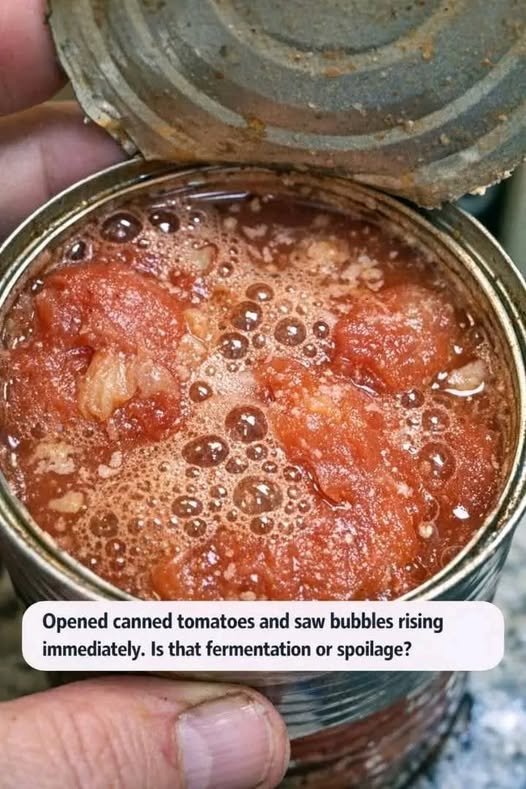
Opened Canned Tomatoes and Saw Bubbles Rising Immediately – What Does It Mean?
Opening a can of tomatoes should be simple and uneventful. But if you crack the lid and notice bubbles rising immediately to the surface, it can feel alarming. Are the tomatoes spoiled? Is it dangerous? Should you throw them away?
If you’ve experienced this, you’re not alone. Bubbling inside canned foods—especially tomatoes—can happen for several reasons. Some are completely harmless, while others may indicate spoilage. Understanding the difference is important for food safety and peace of mind.
Let’s break down what causes bubbling in canned tomatoes, how to tell if they’re safe to eat, and when you should discard them immediately.
Why Do Canned Tomatoes Bubble?
Bubbles in canned tomatoes can occur for a few different reasons:
1. Natural Pressure Release (Harmless)
When a can is sealed, it’s processed under high heat to eliminate bacteria and create a vacuum seal. Upon opening, you may hear a small “whoosh” sound as pressure equalizes.
Sometimes this pressure release causes small bubbles to rise briefly. If the bubbling stops quickly and there’s no off smell, this is usually harmless.
This is especially common if:
-
The can was stored in a warm place
-
The tomatoes were recently shaken or moved
-
The can was opened quickly
In these cases, brief bubbling alone is not necessarily a sign of spoilage.
2. Natural Tomato Acidity
Tomatoes are naturally acidic. Their acidity can sometimes cause a mild fizzy appearance when exposed to air, especially if the can has been jostled.
If the bubbling is light and stops quickly, and the tomatoes look and smell normal, they are likely safe.
3. Fermentation (Warning Sign)
This is where you need to pay attention.
If bubbles rise continuously, or the tomatoes look foamy, fizzy, or unusually active, this may indicate fermentation. Fermentation inside a sealed can should never happen if processing was done correctly.
Signs of fermentation include:
-
Strong sour or alcoholic smell
-
Foam on top
-
Continuous fizzing
-
Swollen or bulging can
-
Spurting liquid when opened
If you notice any of these signs, do NOT taste the tomatoes. Discard them immediately.
4. Bacterial Contamination (Serious Risk)
In rare cases, bubbling may be caused by bacterial growth. One of the most serious concerns with improperly canned foods is botulism, a rare but potentially life-threatening illness caused by Clostridium botulinum bacteria.
Botulism bacteria produce gas inside the can, which can cause:
-
Bulging lids
-
Leaking seams
-
Spurting liquid
-
Strange odor
-
Excessive bubbling
Important: Botulism does not always produce a bad smell. If a can is swollen, dented at the seams, or leaking, discard it without tasting.
When in doubt, throw it out.
How to Tell If Canned Tomatoes Are Safe
Here’s a quick checklist:
Safe Signs:
-
Brief bubbling that stops quickly
-
Normal tomato smell (fresh, slightly acidic)
-
Normal color (bright red)
-
No swelling or dents in the can
-
No foam or strange film
Unsafe Signs:
-
Continuous fizzing
-
Sour, alcoholic, or rotten smell
-
Bulging can
-
Mold or discoloration
-
Liquid spraying out forcefully
-
Slimy texture
If you notice any unsafe signs, do not taste the product. Dispose of it safely.
What Causes Spoilage in Canned Tomatoes?
Several factors can lead to spoilage:
Improper Storage
Cans stored in high heat (like near a stove or in a hot garage) can degrade over time.
Damaged Cans
Deep dents, especially near seams, can break the internal seal and allow bacteria in.
Expired Products
While canned goods last a long time, they are not immortal. Always check expiration dates.
Manufacturing Defects
Though rare, seal failures can occur during processing.
What To Do If You Suspect Spoilage
-
Do not taste the tomatoes.
-
Avoid smelling too closely if there’s strong odor.
-
Place the can in a sealed plastic bag.
-
Dispose of it in the trash.
-
Wash your hands thoroughly.
If you suspect botulism exposure and experience symptoms such as:
-
Blurred vision
-
Muscle weakness
-
Difficulty swallowing
-
Nausea
Seek medical attention immediately.
Are Store-Bought Canned Tomatoes Safe?
Yes, commercially canned tomatoes are generally very safe. Modern food processing standards are strict and designed to prevent bacterial contamination.
Bubbling alone does not automatically mean danger. Context matters.
If the can looks normal and the tomatoes smell fresh, brief bubbling is often just pressure release.
What About Home-Canned Tomatoes?
If the tomatoes were home-canned, bubbling should be taken more seriously.
Home canning requires precise temperature control and correct acid levels. Tomatoes are borderline acidic, meaning improper processing can increase spoilage risk.
With home-canned products, any sign of fizzing, foam, or unusual smell should result in immediate disposal.
Never taste questionable home-canned foods.
Storage Tips for Canned Tomatoes
To prevent issues:
-
Store in a cool, dry place
-
Avoid temperature extremes
-
Do not use cans that are heavily dented
-
Refrigerate leftovers in a separate container
-
Use opened tomatoes within 3–4 days
Never store opened canned food in the original can. Transfer it to a glass or plastic container.
Final Thoughts
Seeing bubbles in canned tomatoes can be surprising, but it doesn’t always mean something is wrong. Brief bubbling caused by pressure release is normal. However, continuous fizzing, foam, strong odor, or a bulging can are serious warning signs.