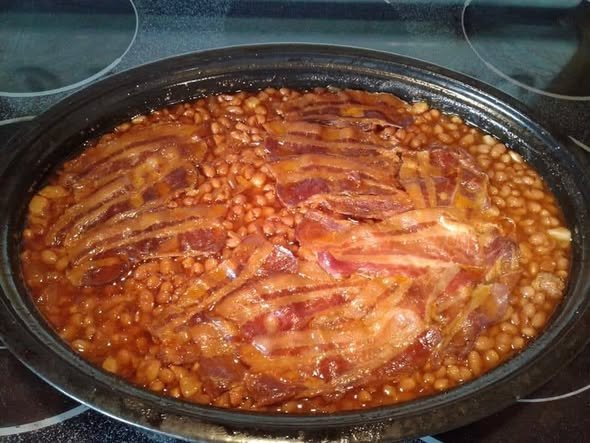
Baked Beans: A Comfort Food Classic with Timeless Appeal
Baked beans are one of the most beloved comfort foods around the world. Simple, hearty, and deeply satisfying, this humble dish has earned a permanent place on breakfast tables, barbecue menus, and family dinners alike. Made primarily from beans slow-cooked in a rich, savory-sweet sauce, baked beans are proof that basic ingredients can create extraordinary flavor when given time and care.
From traditional homemade versions to modern twists, baked beans remain a symbol of warmth, nourishment, and everyday comfort.
What Are Baked Beans?
Baked beans are typically made using white beans—such as navy beans or haricot beans—slowly cooked in a seasoned sauce. The sauce often includes ingredients like tomatoes, onions, molasses or sugar, mustard, and spices. In some variations, baked beans also include meat such as bacon or salt pork, while vegetarian versions rely solely on spices and aromatics for depth of flavor.
The slow-cooking process allows the beans to absorb the sauce fully, creating a thick, rich dish with tender beans and bold taste.
A Brief History of Baked Beans
Baked beans have deep historical roots. Indigenous peoples of North America were known to cook beans with maple syrup and fat long before European settlers arrived. Over time, these methods evolved as new ingredients such as molasses, pork, and spices became available.
In Britain, baked beans became a pantry staple in the early 20th century, often served in tomato sauce and enjoyed as part of a traditional breakfast. In the United States, baked beans are closely associated with barbecues, picnics, and comfort cooking, especially in Southern and New England cuisine.
Why Baked Beans Are So Popular
Baked beans have stood the test of time because they are:
-
Affordable: Made with inexpensive pantry staples
-
Filling: High in fiber and plant-based protein
-
Versatile: Served as a main dish, side dish, or breakfast item
-
Easy to prepare: Can be slow-cooked, baked, or simmered
-
Comforting: Rich, familiar flavors appeal to all ages
They are equally at home on a breakfast plate, next to grilled meats, or served on toast.
Key Ingredients
A traditional baked beans recipe includes:
-
Beans: Navy beans, cannellini beans, or great northern beans
-
Onions: For sweetness and depth
-
Tomatoes or Tomato Paste: For richness
-
Sweetener: Molasses, brown sugar, maple syrup, or honey
-
Mustard: Adds tang and balance
-
Salt and Pepper: Essential seasoning
-
Optional Additions: Bacon, garlic, paprika, chili, or herbs
Vegetarian and vegan baked beans omit meat while maintaining full flavor through spices and slow cooking.
How Baked Beans Are Made
1. Preparing the Beans
Dried beans are soaked overnight and cooked until just tender. This step ensures a creamy interior and prevents splitting during baking.
2. Building the Sauce
Onions are sautéed and combined with tomatoes, sweeteners, mustard, and seasonings to create a balanced sauce that is both savory and slightly sweet.
3. Slow Cooking
Beans and sauce are combined and baked slowly in the oven or simmered on the stovetop. This allows flavors to deepen and the sauce to thicken naturally.
4. Final Seasoning
The dish is tasted and adjusted for sweetness, salt, and acidity before serving.
Health Benefits of Baked Beans
Baked beans are not only delicious but also nutritionally valuable:
-
High in Fiber: Supports digestion and gut health
-
Plant-Based Protein: Ideal for vegetarians and vegans
-
Low in Fat: Especially in meat-free versions
-
Rich in Minerals: Including iron, magnesium, and potassium
-
Heart-Healthy: Fiber helps regulate cholesterol levels
When prepared at home, baked beans can be lower in sugar and sodium than many store-bought versions.
Popular Variations
Baked beans vary widely by region and preference:
-
Classic American Baked Beans: Sweet and smoky, often with bacon
-
British Baked Beans: Tomato-based and mildly sweet
-
Southern-Style Baked Beans: Rich, bold, sometimes spicy
-
Vegetarian Baked Beans: Fully plant-based with herbs and spices
-
Spicy Baked Beans: Chili, cayenne, or smoked paprika for heat
Each version reflects local tastes while staying true to the comforting nature of the dish.
Serving Suggestions
Baked beans are incredibly versatile and pair well with many foods:
-
Served on toast for breakfast or lunch
-
As a side dish with grilled meats or sausages
-
Alongside cornbread or biscuits
-
As part of a barbecue spread
-
With eggs for a hearty morning meal
They can also be enjoyed on their own as a satisfying, protein-rich dish.
Storage and Meal Prep
Baked beans store exceptionally well:
-
Refrigerated: Up to 4–5 days in an airtight container
-
Frozen: Up to 3 months without losing flavor
In fact, baked beans often taste even better the next day as the flavors continue to develop.
Homemade vs Store-Bought
While canned baked beans are convenient, homemade versions offer:
-
Better control over sugar and salt
-
Fresher, richer flavor
-
Customizable ingredients
-
No preservatives or additives
Making baked beans from scratch requires more time, but the result is a deeply satisfying dish that reflects traditional cooking at its best.
A Timeless Comfort Dish
Baked beans are more than just a side dish—they are a symbol of comfort, tradition, and nourishment. Whether enjoyed at breakfast, dinner, or a backyard gathering, they bring warmth and familiarity to the table.
With simple ingredients, slow cooking, and endless variations, baked beans continue to be a favorite across generations. Homemade or store-bought, sweet or savory, vegetarian or meaty—there’s a version of baked beans for everyone.