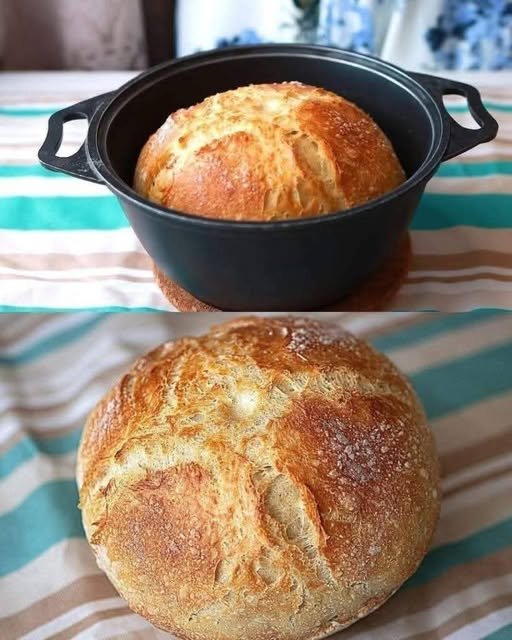
No Kneading, No Eggs, No Butter Bread – Soft, Simple & Foolproof
If you’re looking for a simple homemade bread recipe that requires no kneading, no eggs, and no butter, you’ve just found the perfect one. This easy bread recipe delivers a soft interior with a lightly crisp crust using only basic pantry ingredients. It’s ideal for beginners, budget-friendly baking, or anyone who wants fresh bread without complicated steps.
With minimal effort and maximum flavor, this bread is perfect for sandwiches, toast, dipping into soups, or enjoying warm with your favorite spread.
Why You’ll Love This Recipe
-
No kneading required
-
No eggs
-
No butter or dairy needed (can be fully vegan)
-
Made with simple pantry staples
-
Soft and fluffy texture
-
Perfect for beginner bakers
This is a forgiving, flexible dough that relies on time rather than effort to develop structure and flavor.
Ingredients
-
3 cups (375g) all-purpose flour
-
1 teaspoon salt
-
1 tablespoon sugar
-
1 teaspoon instant yeast
-
1 ¼ cups (300ml) warm water
-
2 tablespoons oil (vegetable or olive oil)
That’s it! No eggs, no butter, and no special ingredients.
Why This Bread Works Without Kneading
Traditional bread recipes require kneading to develop gluten, which gives bread its structure. In this recipe, time replaces kneading. As the dough rests and rises, gluten naturally develops on its own. This results in a soft, airy texture without the physical work.
The oil adds moisture and tenderness, replacing the richness you’d normally get from butter or eggs.
Step-by-Step Instructions
1. Mix the Dry Ingredients
In a large mixing bowl, combine flour, salt, sugar, and instant yeast. Stir well to evenly distribute the yeast and salt.
2. Add the Wet Ingredients
Pour in the warm water and oil. The water should feel warm but not hot (about 38–40°C / 100–105°F). Too hot can kill the yeast.
Stir with a wooden spoon or spatula until a sticky, shaggy dough forms. There’s no need to knead. Just make sure there are no dry flour pockets.
3. First Rise
Cover the bowl with plastic wrap or a clean kitchen towel. Let the dough rise in a warm place for 1–1½ hours, or until doubled in size.
You’ll notice bubbles forming — this is the yeast working and creating air pockets.
4. Shape the Dough
Lightly flour your hands and work surface. Gently scrape the dough out of the bowl. It will be soft and slightly sticky.
Shape it into a round loaf or place it into a lightly greased loaf pan for sandwich-style bread. Handle gently to keep the air inside.
5. Second Rise
Cover loosely and let it rise again for 30–40 minutes until puffy.
Meanwhile, preheat your oven to 200°C (400°F).
6. Bake
Bake for 30–35 minutes, or until the top is golden brown and the loaf sounds hollow when tapped.
If using a loaf pan, baking time may be closer to 35–40 minutes.
Let cool on a wire rack before slicing.
Texture & Flavor
This bread has:
-
A soft, fluffy interior
-
A light golden crust
-
Mild, slightly sweet flavor
-
Perfect sandwich texture
It slices beautifully and stays soft for days when stored properly.
Tips for Success
-
Use fresh yeast for best results.
-
Don’t add too much flour — the dough should be slightly sticky.
-
Let it rise in a warm, draft-free area.
-
Avoid overbaking to keep the crumb soft.
If your kitchen is cold, place the dough inside the oven with just the oven light on to create a warm environment.
Variations
Whole Wheat Version
Replace 1 cup of all-purpose flour with whole wheat flour for added fiber and a nuttier taste.
Garlic Herb Bread
Add 1 teaspoon garlic powder and 1 tablespoon dried herbs to the dry ingredients.
Seeded Bread
Sprinkle sesame seeds, flaxseeds, or sunflower seeds on top before baking.
Rustic Round Loaf
Bake the shaped dough on a parchment-lined baking sheet instead of a loaf pan for a rustic artisan look.
Serving Ideas
This bread is incredibly versatile. Enjoy it:
-
Toasted with jam or honey
-
As sandwich bread
-
With soups and stews
-
Dipped in olive oil and herbs
-
As garlic bread
-
With peanut butter or chocolate spread
It’s neutral enough to pair with both sweet and savory toppings.
Storage
Store in an airtight container or bread bag at room temperature for up to 3 days.
For longer storage, slice and freeze for up to 2 months. Toast slices directly from frozen.
Frequently Asked Questions
Can I use active dry yeast instead of instant?
Yes. Dissolve it in warm water with the sugar first and let it sit for 5–10 minutes before mixing with flour.
Can I make it dairy-free?
It already is! Just ensure your oil is plant-based.
Why is my bread dense?
This could happen if:
-
The yeast is old
-
The dough didn’t rise long enough
-
Too much flour was added
Can I double the recipe?
Absolutely. Just use a larger bowl and divide into two pans if needed.
Nutritional Benefits
This bread is lighter than enriched breads made with butter and eggs. Using oil instead of butter keeps it lower in saturated fat, and you can easily increase fiber by adding whole wheat flour or seeds.
Because it uses basic ingredients, it’s also more affordable than store-bought artisan bread.
Why This Is the Perfect Beginner Bread
Many people feel intimidated by bread baking because of kneading techniques, enriched doughs, or complicated steps. This recipe removes those barriers. If you can stir ingredients together, you can make this bread.
There’s something deeply satisfying about pulling a fresh loaf out of the oven — especially when it required minimal effort.
Final Thoughts
This No Kneading, No Eggs, No Butter Bread proves that homemade bread doesn’t have to be complicated. With just a few simple ingredients and some patience, you can create a soft, fluffy loaf perfect for everyday use.
Whether you’re baking on a budget, avoiding dairy and eggs, or simply looking for an easy bread recipe, this one delivers consistent, delicious results every time.