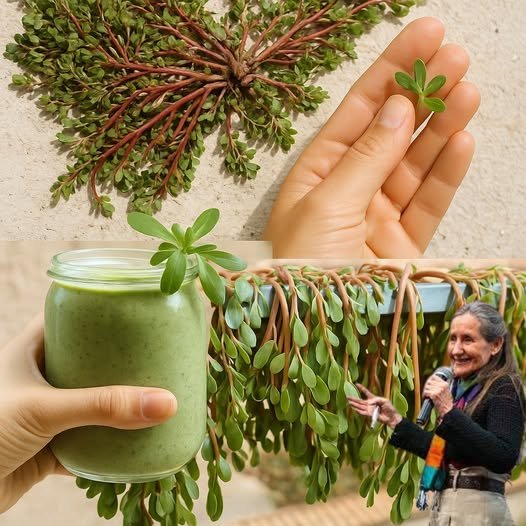
Purslane: The Superfood Weed You’ll Wish You’d Embraced Sooner
It grows between sidewalk cracks, spreads across garden beds, and is often pulled out and tossed away without a second thought. Yet purslane (Portulaca oleracea) is one of the most nutrient-dense leafy greens in the world. Often dismissed as a common weed, this humble plant is actually a powerful superfood packed with omega-3 fatty acids, antioxidants, vitamins, and minerals.
If you’ve been removing purslane from your garden, you may be throwing away one of nature’s most underrated nutritional treasures.
What Is Purslane?
Purslane is a low-growing succulent plant with small, thick green leaves and reddish stems. It thrives in warm weather and poor soil conditions, which explains why it appears almost everywhere—from backyard gardens to roadside cracks.
Despite its “weed” reputation, purslane has been eaten for centuries in Mediterranean, Middle Eastern, Asian, and Mexican cuisines. In many cultures, it’s prized for both its flavor and medicinal properties.
Its taste? Slightly lemony, mildly salty, and refreshingly crisp.
Why Purslane Is a Nutritional Powerhouse
Purslane stands out because it contains nutrients rarely found together in one plant.
1. Rich in Omega-3 Fatty Acids
One of the most remarkable things about purslane is that it’s one of the best plant sources of alpha-linolenic acid (ALA), a type of omega-3 fatty acid.
Omega-3s are typically associated with fatty fish like salmon, but purslane provides a plant-based alternative that supports:
-
Heart health
-
Brain function
-
Reduced inflammation
-
Healthy cholesterol levels
For vegetarians and vegans, purslane is especially valuable.
2. Packed with Antioxidants
Purslane contains high levels of antioxidants such as:
-
Vitamin C
-
Vitamin E
-
Beta-carotene
-
Glutathione
-
Melatonin
Antioxidants help protect the body from oxidative stress, which is linked to aging and chronic diseases.
Interestingly, purslane also contains betalains—the same antioxidant pigments found in beets.
3. Excellent Source of Vitamins and Minerals
This small leafy plant delivers impressive micronutrients, including:
-
Vitamin A (for eye and immune health)
-
Magnesium (for muscle and nerve function)
-
Potassium (for blood pressure balance)
-
Iron (for oxygen transport in blood)
-
Calcium (for bone health)
All of this comes in a low-calorie, hydrating package.
Health Benefits of Purslane
While more research is ongoing, traditional use and early studies suggest several potential benefits.
Supports Heart Health
Thanks to its omega-3 content and potassium levels, purslane may help support healthy blood pressure and cardiovascular function.
May Help Reduce Inflammation
Omega-3 fatty acids and antioxidants work together to combat inflammation in the body, potentially supporting joint comfort and overall wellness.
Supports Skin Health
The antioxidants in purslane may help protect skin cells from environmental damage. In fact, purslane extract is sometimes used in natural skincare products for its soothing properties.
Promotes Digestive Health
Purslane contains fiber and mucilage (a gel-like substance), which may help support healthy digestion and bowel regularity.
Blood Sugar Support
Some early research suggests purslane may help support healthy blood sugar levels when consumed regularly as part of a balanced diet.
However, it should not replace medical treatment for diabetes.
How to Identify Purslane
Before harvesting, proper identification is essential.
Look for:
-
Smooth, reddish stems
-
Thick, oval-shaped succulent leaves
-
Small yellow flowers
-
A sprawling, mat-like growth pattern
Avoid harvesting from areas treated with pesticides or near busy roads.
If unsure, consult a local gardening guide or expert before consuming wild plants.
How to Eat Purslane
One of the best things about purslane is its versatility.
Eat It Raw
-
Add to salads for a crisp texture
-
Toss into sandwiches or wraps
-
Blend into green smoothies
Cook It Lightly
-
Sauté with garlic and olive oil
-
Add to soups or stews
-
Stir into scrambled eggs
-
Mix into rice dishes
Traditional Dishes
In Middle Eastern cuisine, purslane is mixed with yogurt and garlic. In Mexican cooking, it’s added to pork stews and salsa verde.
Because it has a slightly tangy flavor, it pairs beautifully with tomatoes, cucumbers, lemon, and feta cheese.
Growing Your Own Purslane
If you’ve seen it growing naturally, you know how resilient it is.
To grow purslane intentionally:
-
Plant in full sun
-
Use well-drained soil
-
Water moderately
-
Harvest young leaves for best flavor
It grows quickly and requires minimal care, making it ideal for beginner gardeners.
Is Purslane Safe to Eat?
Purslane is generally safe when properly identified and cleaned. However, it does contain oxalates, compounds also found in spinach and Swiss chard.
People prone to kidney stones may want to limit high-oxalate foods.
As always, moderation is key.
Why It’s Called a “Superfood Weed”
Purslane earns the nickname “superfood weed” because it combines:
-
High nutritional value
-
Easy availability
-
Fast growth
-
Culinary versatility
-
Medicinal potential
Unlike trendy imported superfoods, purslane grows freely in many regions, making it one of the most accessible nutrient-rich foods available.
Sometimes the healthiest foods aren’t exotic—they’re simply overlooked.
Final Thoughts
Purslane is a powerful reminder that nature often provides exactly what we need—right under our feet. Instead of pulling it out and discarding it, consider adding this nutrient-packed green to your meals.
Rich in omega-3s, antioxidants, and essential vitamins, purslane truly deserves its place among the top superfoods. Whether enjoyed fresh in salads or lightly sautéed, this humble plant offers surprising health benefits in every bite.
Next time you see purslane in your garden, you may think twice before calling it a weed