7 Effective Exercises to Relieve Heel Pain and Treat Plantar Fasciitis Naturally
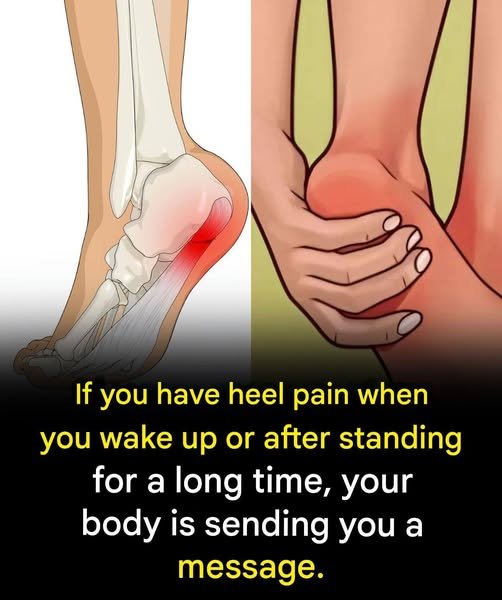
Heel pain is a common problem that can make everyday activities like walking, standing, or exercising uncomfortable. One of the most frequent causes of heel pain is Plantar Fasciitis, a condition that occurs when the thick band of tissue connecting the heel bone to the toes becomes inflamed. This tissue, called the plantar fascia, supports the arch of the foot and absorbs shock when you walk.
People with plantar fasciitis often experience sharp pain in the heel, especially during the first steps in the morning or after long periods of rest. Fortunately, specific exercises can help stretch and strengthen the foot muscles, reduce inflammation, and promote healing naturally.
Below are seven effective exercises that can help relieve heel pain and support recovery from plantar fasciitis.
1. Plantar Fascia Stretch
This is one of the most recommended stretches for reducing tension in the bottom of the foot.
How to do it:
-
Sit comfortably and cross one leg over the other.
-
Hold your toes and gently pull them back toward your shin.
-
You should feel a stretch along the bottom of your foot.
-
Hold for 15–20 seconds, then release.
Repetitions:
Repeat 3–5 times for each foot.
This stretch helps loosen the plantar fascia and can significantly reduce morning heel pain.
2. Calf Stretch Against the Wall
Tight calf muscles can worsen plantar fasciitis because they increase tension on the heel.
Steps:
-
Stand facing a wall with both hands placed on it.
-
Step one foot back while keeping the heel flat on the ground.
-
Bend the front knee while keeping the back leg straight.
-
Hold the stretch for 20–30 seconds.
Repetitions:
Repeat 3 times per leg.
This exercise stretches the Achilles tendon and calf muscles, reducing pressure on the heel.
3. Towel Stretch
The towel stretch is excellent for improving flexibility in the foot and calf muscles.
Instructions:
-
Sit on the floor with your legs straight.
-
Loop a towel or resistance band around the ball of your foot.
-
Gently pull the towel toward you while keeping your knee straight.
-
Hold for 20 seconds.
Repetitions:
Repeat 3–5 times.
This stretch helps relieve tightness and improves mobility in the foot.
4. Toe Curls with a Towel
Strengthening the small muscles in your foot can help support the arch and reduce stress on the plantar fascia.
How to perform:
-
Place a small towel on the floor.
-
Sit in a chair and place your foot flat on the towel.
-
Use your toes to scrunch the towel toward you.
Repetitions:
Do this exercise for 1–2 minutes per foot.
Over time, stronger foot muscles can help prevent recurring heel pain.
5. Frozen Water Bottle Roll
This exercise provides both stretching and cold therapy at the same time.
Steps:
-
Freeze a water bottle.
-
Place it on the floor under your foot.
-
Roll your foot back and forth over the bottle.
Duration:
Roll for 5–10 minutes.
The cold temperature helps reduce inflammation while the rolling motion massages the plantar fascia.
6. Heel Raises
Heel raises help strengthen the calf muscles and improve foot stability.
Instructions:
-
Stand with your feet shoulder-width apart.
-
Slowly raise your heels so you are standing on your toes.
-
Hold for 3 seconds, then lower slowly.
Repetitions:
Perform 10–15 repetitions, repeating for 2–3 sets.
This exercise improves strength in the lower leg and helps support the foot arch.
7. Marble Pickup Exercise
This simple exercise helps strengthen the toes and foot muscles.
Steps:
-
Place several marbles or small objects on the floor.
-
Use your toes to pick them up.
-
Place them in a bowl or container.
Duration:
Continue for 2–3 minutes per foot.
Strengthening these small muscles helps improve balance and reduces strain on the heel.
Additional Tips for Healing Plantar Fasciitis
In addition to exercises, a few lifestyle changes can help relieve heel pain faster.
Wear supportive shoes
Avoid flat shoes or worn-out footwear. Good arch support can reduce strain on the plantar fascia.
Avoid walking barefoot
Walking without support can increase pressure on the heel.
Stretch regularly
Daily stretching keeps the plantar fascia flexible.
Use ice therapy
Applying ice for 10–15 minutes can reduce inflammation and pain.
Maintain a healthy weight
Excess weight can increase pressure on the feet and worsen symptoms.
When to See a Doctor
Most cases of plantar fasciitis improve with stretching and home care. However, if heel pain continues for several weeks or becomes severe, it may be helpful to consult a healthcare professional.
Persistent pain may require physical therapy, orthotics, or other treatments.
Final Thoughts
Heel pain caused by Plantar Fasciitis can be frustrating, but many people find relief with simple exercises and consistent care. Stretching the plantar fascia, strengthening foot muscles, and improving flexibility can significantly reduce discomfort and help the foot heal naturally.