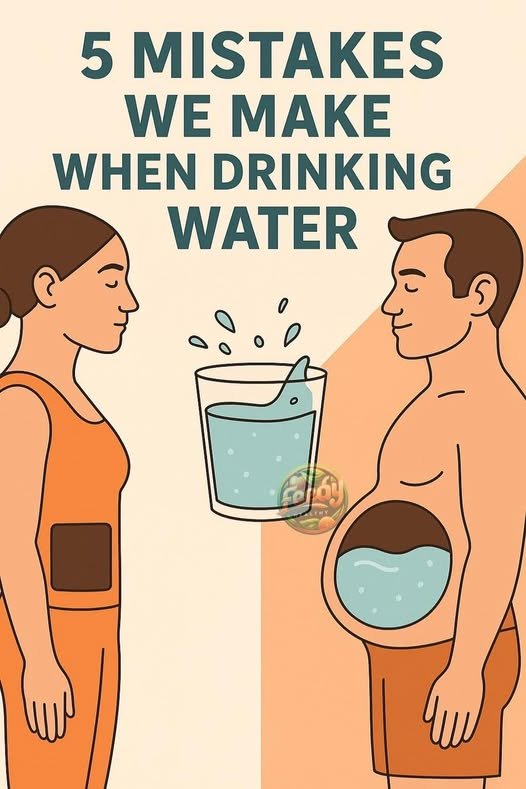
5 Common Mistakes When Drinking Water That Can Affect Your Health
We all know that drinking water is essential for good health. It supports digestion, regulates body temperature, flushes out toxins, and keeps our skin, joints, and organs functioning properly. Yet, despite its importance, many people unknowingly make mistakes when it comes to how, when, and how much water they drink.
These mistakes may seem small, but over time they can affect energy levels, digestion, metabolism, and overall well-being. Let’s take a closer look at five common water-drinking mistakes and how you can easily fix them to support better health.
1. Drinking Too Little Water Throughout the Day
One of the most common mistakes is simply not drinking enough water. Many people wait until they feel thirsty, but thirst is actually a late sign of dehydration. By the time you feel thirsty, your body is already lacking fluids.
Chronic mild dehydration can lead to:
-
Fatigue and low energy
-
Headaches
-
Poor concentration
-
Dry skin
-
Digestive issues, including constipation
How to fix it:
Make hydration a habit rather than a reaction. Sip water consistently throughout the day instead of drinking large amounts all at once. Keeping a water bottle nearby is one of the easiest ways to stay hydrated without thinking about it.
2. Drinking Water Only During Meals
Some people drink most of their daily water intake only during meals. While having water with food is fine, relying on mealtime hydration alone can be problematic.
Drinking large amounts of water during meals may:
-
Dilute digestive enzymes
-
Slow down digestion for some people
-
Cause bloating or discomfort
How to fix it:
Drink water between meals, not just during them. Aim to hydrate about 30 minutes before eating and again after digestion has started. This helps maintain steady hydration without interfering with digestion.
3. Drinking Too Much Water at Once
Another mistake is drinking excessive amounts of water in a short period, especially after long hours of not drinking at all. While hydration is important, overloading your system too quickly can stress the kidneys.
In extreme cases, excessive water intake can dilute essential electrolytes like sodium, leading to imbalance and symptoms such as:
-
Nausea
-
Headache
-
Confusion
-
Muscle cramps
How to fix it:
Instead of chugging water, sip slowly and regularly. Your body absorbs water more efficiently when intake is spread out evenly over time. Consistent hydration is far healthier than sudden overconsumption.
4. Ignoring Water Quality
Not all water is equal. Many people focus on quantity but ignore water quality, which can impact health just as much. Contaminated or poor-quality water may contain impurities, heavy metals, or harmful bacteria.
Long-term consumption of low-quality water may contribute to:
-
Digestive discomfort
-
Weakened immune response
-
Exposure to unwanted chemicals
How to fix it:
Use filtered or purified water whenever possible. If you rely on tap water, consider using a high-quality water filter. Clean, safe water ensures you’re hydrating your body without introducing harmful substances.
5. Replacing Water with Sugary or Caffeinated Drinks
Many people believe that tea, coffee, sodas, or energy drinks can fully replace water. While some beverages contribute to fluid intake, sugary and heavily caffeinated drinks can work against hydration.
Excess sugar and caffeine may:
-
Increase dehydration
-
Cause energy crashes
-
Affect sleep quality
-
Put extra strain on the kidneys
How to fix it:
Make plain water your primary source of hydration. Herbal teas and lightly infused water can be good alternatives, but sugary drinks should be limited. If you drink coffee or tea, balance them with additional water.
How Much Water Do You Really Need?
There is no one-size-fits-all rule for water intake. Needs vary based on:
-
Body size
-
Activity level
-
Climate
-
Diet
A good general guideline is to drink enough water so that your urine remains pale yellow. This simple indicator helps you know whether you’re adequately hydrated.
Signs You May Be Making Water-Drinking Mistakes
Pay attention to your body. Common signs of improper hydration include:
-
Frequent headaches
-
Dry mouth or lips
-
Fatigue
-
Dizziness
-
Muscle cramps
If you notice these symptoms regularly, adjusting your water habits may make a noticeable difference.
Simple Tips for Better Hydration
-
Start your day with a glass of water
-
Keep water visible and accessible
-
Drink small amounts regularly
-
Add natural flavor with lemon or cucumber if needed
-
Increase intake during hot weather or physical activity
Final Thoughts
Drinking water seems simple, yet small mistakes can quietly affect your health over time. By avoiding these common errors—drinking too little, relying only on meals, overdoing it at once, ignoring quality, and replacing water with sugary drinks—you can support better digestion, energy, and overall well-being.
Hydration isn’t just about drinking water; it’s about drinking it the right way. Make small changes today, and your body will thank you in the long run.