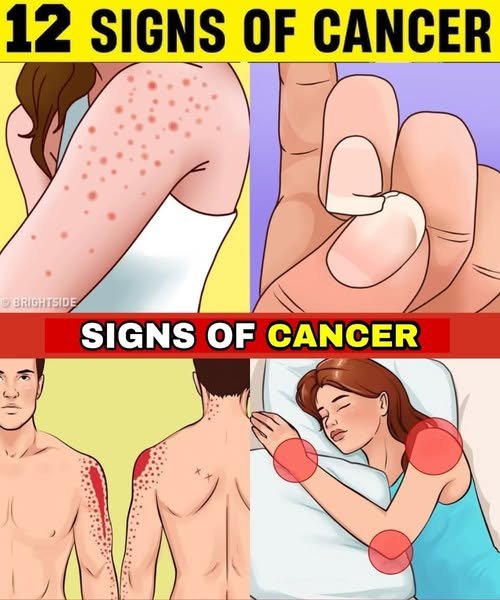
12 Early Warning Signs Your Body May Be Developing Cancer Cells
Cancer rarely appears overnight. In many cases, the body sends subtle warning signals long before the disease reaches an advanced stage. These early signs are often easy to ignore or mistake for everyday health issues. While experiencing one or more of these symptoms does not mean you have cancer, paying attention to persistent changes in your body can be life-saving.
Early detection significantly improves treatment outcomes. Understanding these warning signs empowers you to seek medical advice sooner rather than later.
Important Reminder
The symptoms listed below can be caused by many non-cancerous conditions, including infections, stress, hormonal changes, or nutritional deficiencies. Only a qualified medical professional can diagnose cancer. These signs are meant to raise awareness—not fear.
1. Unexplained Weight Loss
Losing weight without changing your diet or activity level can be an early red flag. Sudden weight loss may occur because cancer cells alter how the body uses energy.
If you lose more than 5–10% of your body weight over a short period without trying, it’s worth discussing with a doctor.
2. Persistent Fatigue
Cancer-related fatigue is different from normal tiredness. It doesn’t improve with rest and may feel overwhelming.
If you experience constant exhaustion that interferes with daily life and has no clear cause, medical evaluation is important.
3. Ongoing Pain Without a Clear Cause
Persistent pain—especially in the back, bones, or abdomen—may sometimes signal underlying issues. Cancer-related pain often worsens over time rather than improving.
Pain that lasts weeks or months should never be ignored.
4. Changes in the Skin
Your skin can reflect what’s happening inside your body. Watch for:
-
New or changing moles
-
Yellowing or darkening of skin
-
Sores that don’t heal
-
Unusual itching or redness
Skin changes may indicate skin cancer or internal health concerns.
5. Unusual Lumps or Swelling
Lumps in the breast, neck, armpit, groin, or testicles should always be checked—especially if they are painless, firm, or growing.
Not all lumps are dangerous, but persistent swelling deserves medical attention.
6. Changes in Bowel or Bladder Habits
Long-term changes such as:
-
Chronic constipation or diarrhea
-
Blood in stool or urine
-
Frequent urination or pain while urinating
may be early indicators of digestive or urinary tract cancers.
7. Persistent Cough or Hoarseness
A cough that lasts longer than three weeks—especially when accompanied by chest pain or coughing up blood—should not be ignored.
Long-term hoarseness or voice changes may also signal throat or lung issues.
8. Difficulty Swallowing or Indigestion
Frequent heartburn, trouble swallowing, or ongoing indigestion that doesn’t respond to treatment may be linked to cancers of the esophagus, stomach, or throat.
Persistent symptoms are more important than occasional discomfort.
9. Unexplained Bleeding or Bruising
Unusual bleeding—such as:
-
Bleeding between periods
-
Blood in stool, urine, or cough
-
Frequent nosebleeds
can be an early sign of several cancers and always requires medical evaluation.
10. Frequent Infections or Slow Healing
If cuts take unusually long to heal or infections keep returning, it may indicate immune system stress.
Certain cancers affect bone marrow and immune response, reducing the body’s ability to fight infection.
11. Night Sweats or Persistent Fever
Drenching night sweats or low-grade fevers without infection may be warning signs, particularly when combined with fatigue or weight loss.
These symptoms are often overlooked but can be significant if persistent.
12. Loss of Appetite or Early Fullness
Feeling full quickly or losing interest in food for an extended period may be linked to digestive system cancers.
Appetite changes lasting more than a few weeks should be evaluated.
When Should You See a Doctor?
You should seek medical advice if:
-
A symptom lasts more than 2–3 weeks
-
Symptoms worsen over time
-
Multiple warning signs appear together
-
You have a family history of cancer
Early consultation does not mean something is wrong—it means you are being proactive.
How Early Detection Saves Lives
Many cancers are highly treatable when detected early. Regular screenings, self-exams, and routine health checkups dramatically reduce cancer-related deaths.
Lifestyle factors such as:
-
Balanced nutrition
-
Regular physical activity
-
Avoiding tobacco
-
Limiting alcohol
-
Managing stress
also play a powerful role in prevention.
Final Thoughts
Your body is constantly communicating with you. Listening to subtle changes doesn’t make you anxious—it makes you informed. While these early warning signs do not automatically mean cancer, ignoring persistent symptoms can delay diagnosis and treatment.
Awareness, attention, and timely medical care are your strongest defenses.
If something doesn’t feel right, trust your instincts and seek professional advice. Early action can make all the difference.