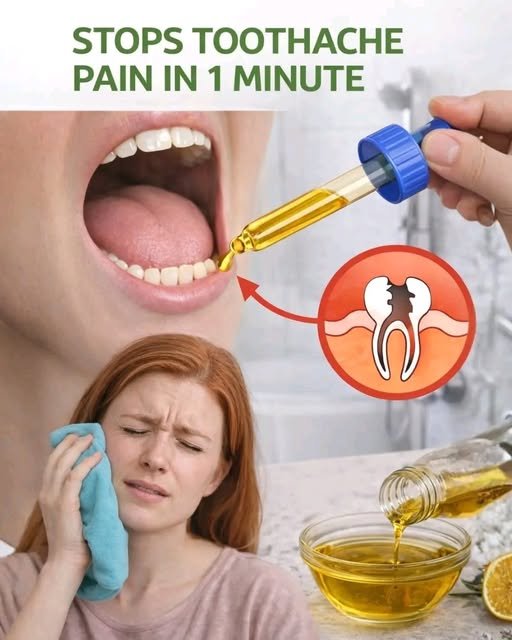
10 Ways to Kill a Toothache in a Minute
Toothaches can strike at the most inconvenient times, sending sharp pain through your jaw and making it difficult to eat, sleep, or concentrate. While it’s essential to see a dentist for the underlying cause, there are quick, practical ways to relieve the pain fast. Here are 10 ways to kill a toothache in a minute, using remedies and techniques you can try immediately.
1. Cold Compress
A cold compress can numb the pain and reduce swelling. Wrap ice cubes in a thin cloth and press gently against the cheek near the aching tooth for 30–60 seconds. This constricts blood vessels and slows nerve signals, giving temporary relief.
2. Clove Oil
Clove oil contains eugenol, a natural anesthetic. Apply a small drop of clove oil directly to the painful tooth or gum using a cotton swab. You’ll feel a numbing effect almost immediately. For extra safety, dilute clove oil with a few drops of olive oil if it’s too strong.
3. Saltwater Rinse
Saltwater can reduce inflammation and kill bacteria. Mix ½ teaspoon of salt in a glass of warm water and swish it around your mouth for 30–60 seconds. Spit it out afterward. This helps clean the area around the tooth and soothes irritation.
4. Peppermint Tea Bag
A slightly warm or cold peppermint tea bag pressed against the affected area can numb pain and reduce inflammation. Peppermint has mild anesthetic and cooling properties that provide quick relief.
5. Garlic Paste
Garlic contains allicin, a natural antibacterial compound. Crush a fresh garlic clove into a paste and apply it directly to the tooth. The antibacterial effect helps fight infection, while its strong taste and properties can numb the pain temporarily.
6. Over-the-Counter Pain Relievers
Pain relievers like ibuprofen or acetaminophen work quickly to reduce toothache pain. Always follow the recommended dosage instructions and avoid placing aspirin directly on the tooth, as it can irritate the gums.
7. Hydrogen Peroxide Rinse
A 3% hydrogen peroxide solution diluted with equal parts water can kill bacteria and reduce inflammation. Swish carefully for 30 seconds, then rinse thoroughly with water. Do not swallow. This provides quick antibacterial relief for a toothache caused by infection.
8. Cold Water Swish
Simply swishing very cold water around your mouth can temporarily numb a toothache. Cold water works like a mini ice compress inside the mouth, reducing sensitivity and discomfort.
9. Elevation
Gravity affects blood flow to your head. When lying down, prop your head up with pillows. This reduces pressure in the tooth area and can lessen throbbing pain almost immediately.
10. Apply Vanilla Extract
Vanilla extract contains alcohol, which can numb pain and act as a temporary antiseptic. Dab a small amount on the aching tooth with a cotton swab. The soothing effect works quickly, while the aroma can help calm discomfort.
Important Notes
- These methods provide temporary relief. They do not treat the underlying cause of tooth pain, such as cavities, infection, or gum disease.
- Seek a dentist immediately if the pain is severe, persistent, or accompanied by swelling, fever, or pus.
- Avoid placing aspirin or other medications directly on the tooth or gum—they can burn tissues.
- Maintain good oral hygiene to prevent future toothaches. Brushing, flossing, and regular dental check-ups are essential.
Quick Tips for Fast Relief
- Combine methods for better results (e.g., cold compress + clove oil).
- Use natural remedies for mild pain, but don’t delay professional treatment if symptoms persist.
- Keep a toothache kit at home: clove oil, salt, hydrogen peroxide, and pain relievers.
Bottom Line
Toothaches are painful and inconvenient, but there are several fast remedies to help manage the pain in a minute. From natural solutions like clove oil and garlic to practical tricks like cold compresses and elevation, these methods can provide temporary relief until you can see a dentist.
Remember, a toothache is often a sign of a deeper dental issue. While these tips work for immediate relief, professional dental care is the only way to ensure long-term oral health.